7 min read
Disclosure: As an Amazon Associate and eBay Partner Network publisher, we earn from qualifying purchases. This doesn’t affect what we recommend or how we describe it.
Trying to figure out whether you need an off-grid inverter or a grid-tie inverter for your solar setup? You’re not alone. This choice determines whether you can run your home or cabin independently of the utility grid, or whether you’ll rely on grid backup and possibly sell excess power back to the utility. The wrong inverter type can leave you unable to power essentials during outages, or stuck with costly gear you can’t use. Let’s break down the key differences so you can confidently pick the right inverter for your needs—no guesswork, no wasted cash.
Spot the difference: Off-grid vs grid-tie inverter setups compared
| Configuration | Works Without Grid? | Battery Support | Peak Output (Watts) | Price | Main Pros / Cons |
|---|---|---|---|---|---|
| Basic Grid-Tie Inverter | No | No | 3000W | $ |
|
| Hybrid Grid-Tie with Battery Backup | Yes (limited) | Yes | 5000W | $$$ |
|
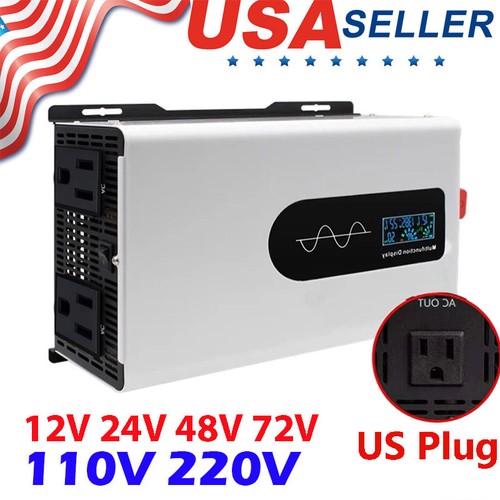
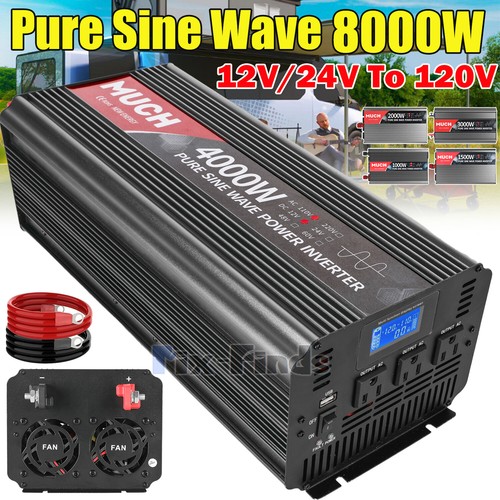
| Pure Off-Grid Inverter (Standalone) | Yes | Yes | 2000W | $$ |
|
| All-in-One Power Station (Portable) | Yes | Yes (integrated) | 1000W | $$ |
|
Choose the right inverter for your setup—not just your budget
The biggest fork in the road: do you need your system to work when the grid is down, or are you just after lower utility bills? Grid-tie inverters (the type used for most rooftop solar installs in suburbs) shut off during outages as a safety measure—they can’t power your home unless the utility grid is present. Off-grid inverters, on the other hand, are designed to create their own “mini grid,” using batteries and solar to supply power even when there’s no utility connection.
Hybrid inverters blur the lines by supporting both grid-tie and battery backup. They’re more complicated (and expensive), but can give you the best of both worlds—exporting power to the grid when it’s available, and running essential loads from batteries when it’s not. All-in-one power stations are a different animal: portable, easy to use, but only suited for cabins, RVs, or backup power for a fridge and lights—not full-home off-grid living.
Compare optionsQuick decision tree
- If you want to power your home during grid outages: Choose a hybrid grid-tie inverter with battery backup or a pure off-grid inverter.
- If selling excess solar power to the utility matters most: Go with a grid-tie or hybrid inverter (but only if your local utility allows net metering).
- If you’re building a remote cabin or van that will never connect to the grid: A pure off-grid inverter or portable power station is the right fit.
- If budget is tight and you don’t need backup power: Basic grid-tie inverters are the lowest cost per watt.
- If you want plug-and-play backup for small loads: Consider an all-in-one power station (but check that its wattage covers your essentials).
Know the real technical differences that matter
Off-grid and grid-tie inverters do more than just change DC solar power to AC for your appliances. Their core job, control electronics, and safety features are fundamentally different. Here’s what actually changes your experience out in the field:
- Synchronization: Grid-tie inverters must match the exact voltage and frequency of your local utility (usually 120V/240V at 60Hz in North America). Off-grid inverters create their own stable AC signal, so they can run anywhere—even deep in the woods.
- Battery Integration: Pure grid-tie inverters connect directly from solar panels to your home’s wiring and the grid. No batteries. Off-grid and hybrid inverters require a battery bank, sized for your daily power needs (often 5–15 kWh for homes, 1–3 kWh for RVs/cabins).
- Anti-Islanding: Grid-tie inverters automatically shut down during blackouts to protect utility workers. Off-grid inverters don’t—they’re isolated from the grid, so they keep running.
- Load Capacity: Off-grid inverters are sized for your peak loads—what you actually use at once, like running a well pump (1200W), fridge (150W), and lights (100W) together. Grid-tie inverters are typically sized for your solar array’s maximum output (e.g., a 4000W array needs a 4kW inverter).
Don’t get tripped up by battery sizing or compatibility
One of the most common mistakes: buying an off-grid inverter without understanding battery sizing. If you want to run a 1000W microwave for 10 minutes, you’ll need at least 170 Wh of usable battery capacity—plus extra for inverter losses and battery discharge limits. Most off-grid inverters specify a minimum and maximum battery voltage (e.g., 24V or 48V systems). Plugging in the wrong battery bank voltage can fry your gear or void your warranty.
Hybrid grid-tie inverters add another wrinkle: many only support specific battery chemistries (like LiFePO4 or lead-acid) and require communication cables to manage charging safely. Always check the inverter’s manual for supported battery types and wiring diagrams. For more on battery chemistry and sizing, see PV Education for a deep dive into real-world solar and battery systems.
Check current pricesRelated Guides
- DC vs AC Fridges: What’s the Real Difference for Off-Grid Living?
- Difference Between Portable and Inverter Generators Explained
- Choosing the Best Deep Cycle Battery for Off-Grid Power
- The 10 Best Inverter Generators for Reliable Off-Grid Power
- Battery Monitors, Reviewed for Reliable Off-Grid Power
- Our guide to Solar Battery Maintainers for Reliable Off-Grid Power
- Browse all Power Inverters →
What about safety, code, and local rules?
Grid-tied systems are subject to strict codes. They must be installed to meet local electrical regulations and often require inspection and utility approval. Off-grid systems have more flexibility, but you’re still responsible for safe installation—especially with high-voltage battery banks. Never attempt to bypass safety relays or connect a grid-tie inverter off-grid; this is both dangerous and illegal in most areas. For official guidelines, review your local building codes or see resources from CSA Group (Canadian Standards Association).
FAQs: Real-world off-grid and grid-tie inverter decisions
Can I use a grid-tie inverter if I want to go off-grid later?
No—standard grid-tie inverters cannot operate without a live grid connection. If you plan to go off-grid in the future, look for a hybrid inverter that supports both modes, or buy a dedicated off-grid inverter from the start.
How much battery capacity do I need for an off-grid inverter?
For small cabins or vans, 2–4 kWh of usable battery storage is typical. A full off-grid home often needs 8–20 kWh, depending on your daily usage and whether you want multi-day backup. Always size your battery for at least 1.5–2 times your highest daily usage to cover cloudy days and inverter inefficiency.
What happens to a grid-tie inverter during a power outage?
A grid-tie inverter automatically shuts down during a utility outage. This is a safety feature called “anti-islanding” to protect line workers. Your solar panels will not power your home or export to the grid until utility power is restored.
Hybrid inverter vs off-grid inverter—what’s better for backup power?
Hybrid inverters are best if you want seamless backup for essential loads and the ability to sell extra solar to the grid. Pure off-grid inverters are simpler and less expensive if you never plan to connect to the grid. For grid-connected homes wanting reliable backup, hybrid is usually worth the extra cost.
Are off-grid inverters harder to install or maintain?
Off-grid inverters require careful battery sizing, fuse selection, and sometimes manual transfer switches. Maintenance is mostly about keeping batteries healthy. Grid-tie inverters are simpler but require professional installation and inspection for code compliance. Both types need safe, well-ventilated installation locations.
Do I need a pure sine wave inverter for my off-grid cabin?
Yes, for most modern electronics and appliances, a pure sine wave inverter is strongly recommended. Modified sine wave inverters can damage sensitive devices and cause noise in audio equipment. Look for “pure sine wave” in the specs and check the inverter’s continuous and surge wattage ratings.
How long do off-grid and grid-tie inverters typically last?
Quality inverters usually last 8–15 years with proper installation and cooling. Off-grid inverters may wear out faster if run near their maximum output or exposed to high heat. Always check for a warranty of at least 5 years and buy from a reputable supplier.
Final thoughts: Make your inverter choice with confidence
The right inverter is the heart of your solar or backup power system. Grid-tie inverters are ideal for lowering utility bills but leave you in the dark during outages. Off-grid inverters and hybrid systems keep your lights on when the grid fails but require more planning and investment. Always match the inverter’s specs to your real-world usage, battery bank, and whether you need backup power or just want to save on electricity costs. When in doubt, consult a local installer or an off-grid supplier who understands your goals. The right choice saves you money, headaches, and keeps your power on—no matter what the grid is doing.
Last updated: June 2026 · How we cover this topic