

7 min read
Disclosure: As an Amazon Associate and eBay Partner Network publisher, we earn from qualifying purchases. This doesn’t affect what we recommend or how we describe it.
Van dwellers, RV owners, and off-grid cabin builders all face the same puzzle: how do you protect your DC circuits from overloads and shorts without constant hassle or breakdowns? Whether you’re wiring up a 12V fridge in your camper, connecting a solar charge controller in a tiny home, or adding a battery bank to a remote shed, choosing between inline fuses and circuit breakers is a decision that affects safety, convenience, and long-term reliability. Each has concrete strengths and trade-offs—knowing which is right for your setup can mean the difference between a smooth trip and a fried wire or hours of troubleshooting.
Inline fuse vs circuit breaker: real-world options compared
| Configuration | Interrupt Rating | Reset Method | Physical Size | Price | Typical Use Case |
|---|---|---|---|---|---|
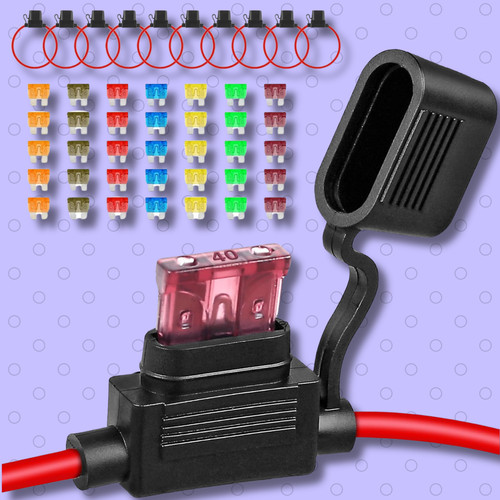
| Standard Inline Blade Fuse | 100A @ 32V DC | Replaceable only | 40 x 18 x 10 mm | $ | 12V appliances, LED lights, fans |
| Inline ANL Fuse Holder | 300A @ 32V DC | Replaceable only | 100 x 35 x 30 mm | $$ | Battery banks, inverter feeds |
| Manual Reset DC Breaker | 150A @ 48V DC | Button reset | 75 x 50 x 35 mm | $$ | Solar arrays, battery disconnects |
| Auto Reset DC Breaker | 50A @ 14V DC | Auto reset | 35 x 20 x 15 mm | $ | Low-power pumps, lighting |
About the $ symbols: they’re a quick budget/mid/premium read of where each option sits relative to the others in this comparison. See current prices in the live listings below.
Related Guides
- Inline Fuse vs Circuit Breaker: Which Is Better for Off-Grid Power?
- 12V Solar Charge Controller Circuit Diagram Explained
- Our guide to Understanding Solar Panel Mismatch Losses and How to Prevent Them
- 12V LED Interior Lights With Switches: The Best Options for Your RV
- Air-Cooled vs Liquid-Cooled Generators: What’s the Real Difference?
- Solar Powered Fans That Are Actually Worth Buying
Sizing matters: matching fuse or breaker to your circuit
For off-grid DC systems, the most common mistake is choosing a fuse or breaker that’s either too large (which won’t protect your wiring) or too small (which trips or blows constantly). Most 12V wiring in vans and RVs is 12- to 8-gauge, which can safely carry 20A–40A, but always check your specific wire rating. The protection device should be rated just above the maximum current your load will draw, but never higher than what the wire itself can safely handle. For example, a 10A fridge on 14-gauge wire gets a 15A fuse or breaker. A 2000W inverter on 2/0 cable needs a 250A ANL fuse or a 200–250A DC breaker. Oversizing “just to be safe” can be dangerous—stick to the numbers.
Physical installation and accessibility
Inline fuses are compact and can be tucked close to the battery or load, but replacing a blown fuse mid-trip means carrying spares and sometimes digging into tight spaces. Manual reset breakers are bulkier but can be mounted in accessible spots, allowing a quick reset without tools. Auto reset breakers are even smaller and reset themselves, but a persistent fault will cause constant cycling—a real headache to diagnose. For RVs or vans, placing the main breaker or fuse within arm’s reach of the entry door is a smart move for emergency shutoff.
Convenience and troubleshooting in the field
Every off-grid system eventually faces a short or overload. With fuses, you’ll need to visually inspect and replace them—no way around it. Breakers offer a clear “tripped” indicator and a simple reset button, which is invaluable for troubleshooting. However, auto reset breakers can mask problems by cycling on and off, making it harder to pinpoint an intermittent short. For systems where you can’t afford downtime (like essential lighting or water pumps), a breaker’s quick reset can save the day. For less critical or rarely accessed circuits, fuses keep things simple and cheap.
Total cost of ownership
Sticker price only tells part of the story. Here’s what you need to budget for over the life of your protection devices:
- Replacement fuses: Expect to replace 2–6 fuses per year in a typical van or RV, at $2–$4 each, especially if you’re still dialing in loads and wiring.
- Spare parts kit: A basic assortment of blade, mini-blade, and ANL fuses runs $20–$30 up front, but saves frustration on the road.
- Breaker lifespan: Manual reset DC breakers can last 5–10 years, but cycling them frequently shortens that. Budget $15–$25 every few years for replacements in high-use spots.
- Downtime cost: Waiting until you can buy the right fuse or breaker in a remote area may cost hours or days of lost power—planning ahead saves more than a few dollars in parts.
- Mounting hardware: Breakers often require specific terminal lugs or bus bars, adding $5–$10 per device if you don’t already have them.
Durability in harsh off-grid environments
Moisture, vibration, and dust are constant threats in mobile and remote setups. Standard inline fuse holders with rubber seals handle splashes and dust well, but corrode over time if water gets inside. ANL fuse blocks with clear covers are better for exposed battery compartments. DC breakers are more sensitive to moisture—look for “marine-rated” or IP66-rated units for boats or damp cabins. For high-vibration environments (like off-road vans), screw-terminal fuses and breakers resist loosening better than push-in blade types. Always inspect connections twice a year for corrosion or loose hardware.
When to choose fuses over breakers (and vice versa)
Pick fuses for circuits that rarely change or where cost and simplicity matter most—think LED lighting, fans, or fixed appliances. Inline blade fuses are ideal for branch circuits under 30A. For high-current battery feeds, an ANL or MEGA fuse is the safest choice. Choose manual reset DC breakers for circuits you might need to shut off or reset regularly, such as solar array inputs, inverter feeds, or battery disconnects. Auto reset breakers are best left to low-current, non-critical loads where nuisance trips are a hassle but not a safety issue.
Compare optionsCommon mistakes and how to avoid them
- Oversizing fuses or breakers: This leaves your wiring unprotected. Always match to the wire ampacity, not just the device rating.
- Mixing fuse types: Stick with one size (blade, mini-blade, ANL) per circuit to avoid confusion and lost time searching for spares.
- Poor mounting: Dangling fuse holders or breakers can chafe wires and fail prematurely. Use proper mounts and cable ties.
- Ignoring environmental ratings: A “standard” breaker will rust fast in a damp compartment. Pay for the marine or sealed version if needed.
- Forgetting spare fuses: Carry at least two of each size you use. Breakers don’t need spares, but if one fails, you’ll want a backup on hand.
FAQs: Inline fuse vs circuit breaker for off-grid DC power
Which protects better: an inline fuse or a circuit breaker?
Both protect wiring from overloads, but fuses react slightly faster to severe shorts. For most 12V DC circuits, either will prevent fire or wire damage if sized correctly. Breakers are easier to reset; fuses are more foolproof and less prone to accidental resets.
How many amps should my fuse or breaker be rated for?
Choose a value just above your device’s maximum draw, but never above the wire’s ampacity. For example, a 10A device on 14-gauge wire gets a 15A fuse or breaker. Oversizing is risky—stick to the specs on your wire and device labels.
How long does a typical blade fuse last before needing replacement?
A standard blade fuse should last for years if there are no overloads or shorts. However, in off-grid setups, expect to replace 2–6 fuses per year as you fine-tune your system or if you experience accidental overloads.
Manual reset breaker vs ANL fuse—what’s better for a 1000W inverter?
For a 1000W inverter (drawing roughly 85A at 12V DC), a manual reset DC breaker rated at 100–120A offers easy troubleshooting and quick resets. However, an ANL fuse rated at 125A is more compact and reliable if you don’t expect frequent trips. Consider breaker accessibility and your willingness to carry spare fuses.
Are there compatibility issues with solar charge controllers or lithium batteries?
Some lithium batteries require fast-blow fuses to meet warranty terms, especially for BMS protection. Check your battery and charge controller manuals for fuse type and interrupt rating requirements. Most DC breakers work fine, but always confirm the voltage and interrupt rating match your system’s specs.
What’s the warranty or failure rate for typical DC breakers and fuses?
Manual reset DC breakers often come with 1–2 year warranties and last 5–10 years with normal use. Fuses rarely “fail” unless overloaded, but cheap holders can corrode or crack. Always buy from reputable suppliers and inspect annually for signs of wear or damage.
See today’s dealsFor deeper technical background on overcurrent protection in DC systems, see the IEEE website, which sets many of the standards for electrical safety and device ratings worldwide.


Last updated: June 2026 · How we cover this topic