Disclosure: As an Amazon Associate and eBay Partner Network publisher, we earn from qualifying purchases. This doesn’t affect what we recommend or how we describe it.
8 min read
Powering an off-grid cabin, RV, or van means choosing equipment you can rely on—especially when it comes to inverter generators. Whether you’re looking to keep essentials running during a blackout, charge sensitive electronics, or run tools at a remote site, picking the right inverter generator is critical. With dozens of options and plenty of marketing hype, it’s easy to get overwhelmed by wattage ratings, fuel capacities, and noise claims. This guide breaks down the top 10 inverter generator types, focusing on real-world performance, practical sizing tips, and the details that actually matter when you’re miles from the grid. For more detail, see DOE guide to off-grid solar and power.
Quick Comparison: 4 Standout Inverter Generator Types
| Product Type | Rated/Peak Output (Watts) | Fuel Type | Run Time @ 50% Load | Noise (dBA) | Weight (lbs) | Practical Pros | Cons to Consider |
|---|---|---|---|---|---|---|---|
| 1200Wh LiFePO4 Power Station w/ 1000W Inverter | 1000 / 2000 | Battery (Recharge via AC/Solar/Car) | 1.2 kWh (varies by load) | 0 (silent) | 27 | Zero fumes, instant power, safe for indoors, plug-and-play | Limited run time unless recharged, higher upfront cost |
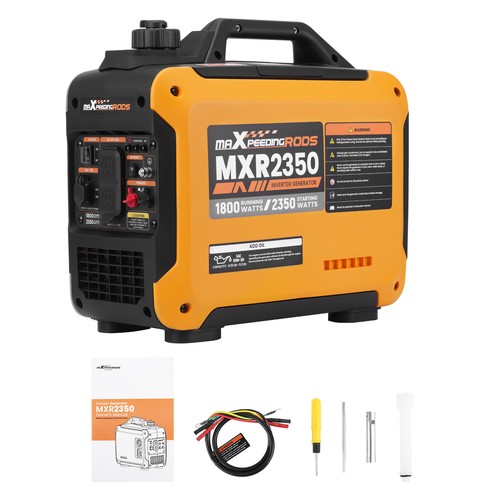
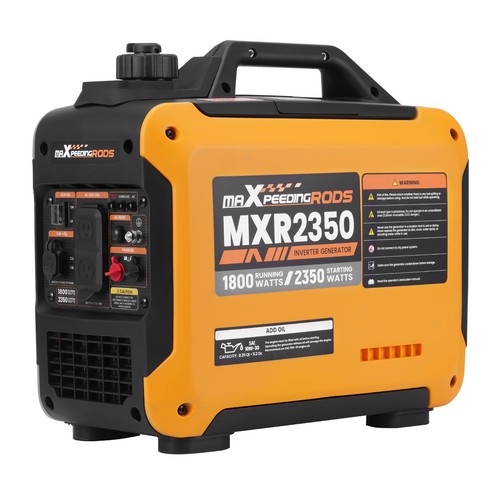
| 2200W Gasoline Inverter Generator | 1800 / 2200 | Gasoline | 7 hrs (1 gal tank) | 54-58 | 47 | Good for tools/appliances, widely available fuel | Needs ventilation, louder than battery, ongoing fuel costs |
| 3500W Dual-Fuel Inverter Generator | 3200 / 3500 | Gasoline/Propane | 14 hrs (2 gal tank, gasoline) | 57-63 | 99 | More capacity, flexible fuel, runs longer per fill | Heavy, not portable solo, needs safe storage for gas/propane |
| 1000W Ultralight Gasoline Inverter Generator | 900 / 1000 | Gasoline | 6 hrs (0.6 gal tank) | 50-54 | 29 | Super portable, ideal for charging devices, low noise | Limited output, can’t run big appliances, small fuel tank |
If you’ve narrowed your shortlist and want new stock with free returns, Amazon is the practical choice.
Check Amazon →What Matters Most When Picking an Inverter Generator for Off-Grid Use
Choosing the right inverter generator means balancing portability, power output, run time, and fuel type. Here’s what you need to know so you don’t end up stranded with dead batteries or a noisy, fuel-hungry beast that’s overkill for your needs.
- Output Ratings: Always look at both continuous (rated) and surge (peak) wattage. For off-grid homes and RVs, you’ll want at least 1800W continuous if running a fridge, microwave, or power tools. Just charging devices or lights? 1000W is plenty.
- Fuel and Recharging Options: Gasoline is common, but dual-fuel (gasoline/propane) models add flexibility and longer shelf life. Battery-based inverter generators (portable power stations) are silent, fume-free, and recharge via solar or your vehicle, but have limited run time before recharging.
- Noise Level: Anything under 60 dBA is considered quiet for camping or residential use. Battery units are silent. Gasoline/propane units get louder as you size up.
- Portability: A 30-50 lb unit is still manageable solo, but 90+ lbs needs wheels or two people. Match the weight to your actual use—don’t buy a monster if you’ll need to move it often.
- Run Time: Check run time at 50% load—it’s rarely as long as the max rating. For overnight use, aim for 8+ hours per tank or charge.
Top 10 Inverter Generator Types for Off-Grid and Mobile Power
Here’s a breakdown of the 10 most practical inverter generator categories you’ll see in the real world—plus what each is actually good for, and what to watch out for.
-
1. 1200Wh–2000Wh LiFePO4 Battery Power Stations (1000–2000W Inverter)
Best for: Silent, indoor-safe backup, charging electronics, CPAP, small appliances
Why it works: Plug-and-play, can recharge via solar panels, vehicle, or wall outlet. LiFePO4 chemistry means 2000+ cycles.
Limitations: Can’t run high-draw appliances for long. Once empty, you need solar or AC to recharge—no “quick refuel.”
See today’s deals -
2. 1000W Ultralight Gasoline Inverter Generators (900W Rated/1000W Peak)
Best for: Solo campers, charging laptops/phones, tailgating
Why it works: Fits in a backpack, sips fuel, runs quietly at 50–54 dBA.
Limitations: Won’t power a microwave or AC. Small tank—plan to refill often. -
3. 2200W Gasoline Inverter Generators (1800W Rated/2200W Peak)
Best for: RVers, fridges, microwaves, basic power tools
Why it works: Good balance of power and portability. Fits most state park noise rules.
Limitations: Still needs ventilation. Will struggle with big AC units or welders. -
4. 3500W Dual-Fuel Inverter Generators (3200W Rated/3500W Peak)
Best for: Off-grid cabins, emergency home backup, running well pumps
Why it works: Can run on gasoline or propane for longer storage and flexibility.
Limitations: Heavy (often 99+ lbs), not fun to move solo. -
5. 4500W–5000W RV-Ready Inverter Generators
Best for: Large RVs with AC, full-home backup (essentials only)
Why it works: 30A RV plug, can handle AC start-up surges, runs multiple appliances.
Limitations: Bulky (120+ lbs), burns fuel fast at high loads. -
6. Parallel-Capable 2000W Inverter Generators
Best for: Customizable power, redundancy
Why it works: Buy one now, add a second later for double the output (using a parallel kit).
Limitations: Need two units and a kit for max output—cost adds up. -
7. 3000W Inverter Generators with Electric Start
Best for: Older users, quick starts in cold weather
Why it works: Push-button start, no arm-pulling. Enough juice for fridges, power tools, or RVs.
Limitations: Usually heavier. Battery for electric start needs maintenance. -
8. 1000–1500W Inverter Generators with USB/12V DC Ports
Best for: Charging phones, drones, camera gear directly
Why it works: Built-in DC outputs avoid wasting energy on AC conversion.
Limitations: Still limited for larger appliances. -
9. Solar-Ready Battery Inverter Generators (1500–2000W, Expandable)
Best for: Full-time off-grid, solar integration, backup without fuel
Why it works: Connect solar panels directly, stack extra batteries for more capacity.
Limitations: Higher upfront price, solar panels sold separately.
View what’s available -
10. 2000–3000W Inverter Generators with CO Shutdown
Best for: Safety-conscious users, families with kids
Why it works: Built-in carbon monoxide sensors auto-shut down if CO builds up—critical for RVs or garages.
Limitations: Don’t rely on this feature as your only safety measure—always run gas generators outdoors.
Biggest Sizing Mistakes with Inverter Generators (and How to Avoid Them)
Oversizing often means wasted fuel, more noise, and a heavier generator than you need. Undersizing means tripped breakers or fried electronics. Here’s how to get it right:
- List your must-run devices: Fridge (120W running, 600W surge), microwave (1000W), laptop (60W), lights (20W each), etc.
- Add up running watts, then add the highest surge (start-up) load: For example, fridge + microwave + lights = 1140W running, 1740W with fridge surge.
- Choose a generator with at least 20% more than your total running watts: In this example, a 2000W rated/2200W surge inverter generator is the minimum safe size.
- For battery units, check watt-hours: A 1200Wh unit can run a 100W device for about 12 hours (real-world: 10 hours, factoring in inverter losses).
If you plan to use power tools, AC units, or a well pump, check their surge (starting) ratings. Many tools need 2–3 times their running wattage for a split second at startup.
If you’ve narrowed your shortlist and want new stock with free returns, Amazon is the practical choice.
Compare Options on Amazon →FAQs: Real-World Questions About Inverter Generators for Off-Grid Power
How loud are inverter generators compared to regular generators?
Inverter generators are much quieter—most run at 50–65 dBA, about the level of a normal conversation. Standard open-frame generators often hit 70–80 dBA, which is as loud as a vacuum cleaner or busy street. Battery inverter “generators” are silent.
Can I run sensitive electronics like laptops and CPAP machines?
Yes. Inverter generators produce clean sine wave power, which is safe for laptops, phones, CPAPs, and modern TVs. Avoid using non-inverter (open frame) generators for delicate electronics—they can cause glitches or damage over time.
What’s the best fuel type for long-term off-grid use?
Propane stores much longer than gasoline (years vs. months), so dual-fuel inverter generators are ideal for cabins or emergency backup. Battery-based units are best for indoor or silent use, and can recharge from solar. Gasoline is convenient but needs stabilizer for storage.
How do I estimate run time for my setup?
Check the generator’s run time at 50% load. For example, a 2200W gas inverter with a 1-gallon tank might run 7 hours powering a 1000W load. For battery units, divide watt-hours by your average load (e.g., 1200Wh ÷ 100W = 12 hours, but subtract 15–20% for inverter losses).
Can I parallel two inverter generators for more power?
Yes, if both units are parallel-capable and you use the correct kit. This is common with 2000W inverter generators—run one for light loads, combine two for AC units or big tools. Always match models and follow manufacturer instructions.
Are battery inverter generators really a replacement for gas models?
For light loads (charging, laptops, short-term fridge use), yes. For running heavy loads or using power for days without sun or AC recharge, gas/propane generators are still king. Many off-gridders use both: battery for daily use, gas/propane for backup or heavy-duty needs.
Do I need a pure sine wave inverter generator, or will modified sine wave work?
Always choose pure sine wave (all inverter generators in this guide are). Modified sine wave units are cheaper but can cause issues with some electronics, motors, and battery chargers—avoid them for anything but basic lights or resistive loads.
How to Shop Smart: Real-World Buying Tips
- Check for a fuel shutoff switch (“eco” or “fuel saver” mode) to run the carb dry before storage—reduces gumming and hard starts.
- Look for CO sensor auto-shutoff if you’ll ever use the generator near buildings.
- Test the weight and handle design if you’ll move it often—27 lbs is easy, 99 lbs gets old fast.
- For battery units, check cycle life (LiFePO4: 2000+ cycles; NMC: 500–800 cycles) and max solar input (e.g., 400W is typical for mid-size units).
Final Thoughts: Matching Your Generator to Your Off-Grid Reality
The best inverter generator isn’t the one with the biggest number on the box—it’s the one that fits your real-world needs, budget, and how you actually live off-grid. For most, a 2000–3500W inverter generator (gas or dual-fuel) covers essentials, while a battery-based inverter generator is unbeatable for silent, indoor-safe backup and charging. Don’t forget to factor in fuel storage, noise tolerance, and how often you’ll need to move your gear. Buying smart now means fewer headaches—and more reliable power—when you need it most.