
7 min read
Disclosure: As an Amazon Associate and eBay Partner Network publisher, we earn from qualifying purchases. This doesn’t affect what we recommend or how we describe it.
DC-powered fridges typically draw 60–80% less energy than their AC counterparts of similar size—a difference that can save you hundreds of dollars in solar panels and batteries over the life of your off-grid system. For anyone living off-grid, running a cabin, or building out a van or RV, choosing between a DC and AC fridge isn’t just about the sticker price: it’s about how much power you’ll need, how often you’ll be able to run your fridge, and how resilient your system will be to cloudy days or generator outages.
DC and AC fridge options: practical comparison
| Category | Typical Power Use (24h) | Voltage | Startup Surge | Price | Pros / Cons |
|---|---|---|---|---|---|
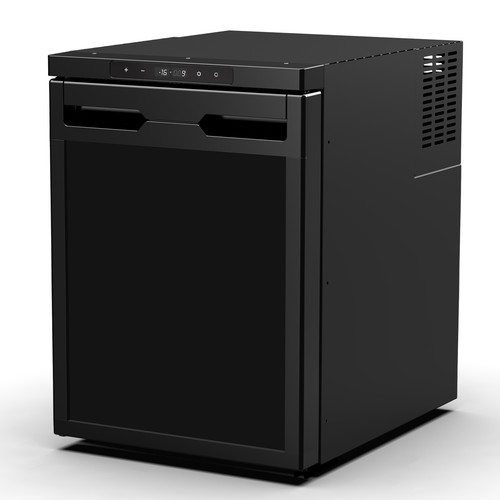
| 12V Compressor Fridge | 20–40Ah (240–480Wh) | 12V DC | Low (<2x running) | $$$ |
|
| 120V AC Mini Fridge | 60–120Ah (720–1440Wh) | 120V AC | High (5–8x running) | $ |
|
| Thermoelectric Cooler (12V) | 40–70Ah (480–840Wh) | 12V DC | Very low | $ |
|
| Propane/Absorption Fridge | 2–8Ah (24–96Wh, for controls) | 12V DC (controls), Propane (cooling) | — | $$ |
|
Price tiers ($/$$/$$$) read across this comparison only — they mark each product’s relative position from cheapest to priciest in the set. Actual prices live below.
Biggest off-grid differences between DC and AC fridges
Energy consumption is the critical factor. A 12V DC compressor fridge typically uses 240–480 watt-hours per day, while a cheap AC mini fridge of similar size can burn through 1000 watt-hours or more. That means you’d need at least twice the solar panel and battery capacity just to keep up, not counting inverter losses. Inverters themselves are only about 85–92% efficient, and most small off-grid inverters idle at 10–30W even with no load—enough to drain a battery overnight if you forget to switch it off.
DC fridges run directly from your battery bank, so there’s no need to convert from DC to AC, saving energy and reducing points of failure. They also avoid the big startup surges that AC fridges demand, which can trip small inverters or overload battery banks. Thermoelectric coolers, despite being cheap and running on 12V, are a poor fit for serious off-grid use—they use more power than a compressor fridge and have trouble keeping food cold in hot weather.
Propane fridges can be a good option if you have a reliable propane supply and want to minimize electrical draw, but they’re less efficient at cooling and require level installation. For most solar-powered setups, a DC compressor fridge is the most energy-efficient and reliable choice—though the upfront price is steeper.
Red flags in listings to walk past
- No power consumption listed: If a fridge or cooler listing doesn’t state daily watt-hour or amp-hour use, it usually means the seller has no clue how much power it draws. Skip these—energy use is your #1 spec off-grid.
- Only “holds ice for X days” claims: For thermoelectric or compressor models, if the main selling point is ice retention, it’s likely not a true fridge or is misleading about cooling performance.
- “Works with any inverter” with no surge spec: AC fridges that don’t list startup surge can easily overload small inverters. Look for surge wattage figures (often 5–8x running draw for AC compressors).
- Vague temperature range: “Keeps food cool” isn’t good enough. A real fridge should specify a cooling range (e.g., 34–40°F or 1–4°C). Anything less is a gamble.
- Photos only—no dimensions or wiring details: If listings skip the actual size, weight, or wiring requirements, expect disappointment on delivery. This is especially common with cheap imports or “universal” 12V fridges.
How much battery and solar for each fridge type?
For a 12V DC compressor fridge using 30Ah/day (360Wh), you’ll want at least 120Ah of usable battery (lithium or double that for lead-acid) to get through two days with no sun. Solar-wise, 200–300W of panels will usually keep up, depending on your climate. An AC mini fridge using 80Ah/day (960Wh) needs 300Ah+ of battery and 400–600W of solar to run reliably—plus a 1000W pure sine inverter to handle startup surges. Thermoelectric coolers often disappoint in real-world use, especially in hot weather, and can drain a 100Ah battery in less than 24 hours.
Propane absorption fridges draw very little power (just for controls/fans), so a small battery and solar setup will suffice—but you’ll need a steady propane supply instead. Always oversize your battery bank to avoid deep discharges, which kill batteries early.
Related Guides
- DC vs AC Fridges: What’s the Real Difference for Off-Grid Living?
- What Is Generator Harmonic Distortion and Why Does It Matter?
- How to Install Solar Panels on a Curved Roof: A Practical Guide
- Understanding Solar Panel Degradation Rates: What You Need to Know
- Solar Generator Kits That Are Actually Worth Buying
- How to Wire Multiple Solar Panels: A Step-by-Step Guide
Matching fridge type to your off-grid setup
Van dwellers and RVers with limited roof space for solar usually get the best results from a 12V DC compressor fridge. These units can run for days on a 100Ah lithium battery and a 200W solar panel. They’re quieter, more efficient, and less likely to cause inverter issues. AC mini fridges are tempting for cabins with lots of solar and a big inverter, but they’re a headache in small, mobile setups—especially if you rely on a portable power station.
Homesteaders with propane on hand might opt for an absorption fridge to stretch battery life, but keep in mind these need to be level and can struggle in hot climates. Thermoelectric coolers are best left for day trips or as backup; they just aren’t efficient enough for daily food storage off-grid.
See today’s dealsNoise, reliability, and real-life usability
DC compressor fridges are quiet—many models run at 35–45 dB, about as loud as a library. AC mini fridges can be noisier and cycle on/off with a noticeable “clunk.” Thermoelectric coolers hum constantly and never really turn off, which can be annoying in a small van or cabin.
Reliability matters for off-grid living. DC compressor fridges have fewer moving parts and are built for mobile, bumpy environments. AC fridges are designed for home use and may not survive long in an RV or van. Propane fridges can last for decades if maintained, but parts can be hard to find in remote areas. Always check for a minimum 1-year warranty and make sure service parts are available before you buy.
Compare optionsFAQs about DC vs AC fridges for off-grid living
How much less power does a 12V DC fridge use compared to an AC fridge?
On average, a 12V DC compressor fridge uses about 60–80% less energy than a similarly sized AC mini fridge. For example, a DC fridge might draw 30Ah (360Wh) per day, while a comparable AC fridge can use 80Ah (960Wh) or more due to inverter losses and less efficient compressors.
Can I run an AC fridge from a portable power station?
You can, but you’ll need a large enough inverter to handle the fridge’s startup surge—often 5–8 times its running wattage. Many small power stations can’t handle these surges, leading to overload shutdowns. Always check both the continuous and surge ratings of your power station’s inverter before attempting this setup.
Which is better for a van build: DC or AC fridge?
For most van builds, a 12V DC compressor fridge is the clear winner. It’s much more efficient, eliminates inverter losses, and can run directly from your battery bank. AC fridges are heavier on power and more likely to trip your inverter or drain your battery overnight if left running.
How long will a 100Ah battery run a DC fridge?
If your DC fridge uses 1.2A per hour (about 30Ah per day), a 100Ah lithium battery will run it for roughly 2–3 days before needing a recharge. With lead-acid batteries (which shouldn’t be discharged below 50%), expect closer to 1–1.5 days of runtime.
Are thermoelectric coolers worth considering for off-grid use?
Thermoelectric coolers are generally not suitable for full-time off-grid refrigeration. They consume more power than compressor fridges and can only cool 30–40°F below ambient temperature, which means food safety is an issue in hot weather. They’re best used for short trips or as a backup cooler, not as your main fridge.
What warranty or support should I look for?
Look for at least a 1-year warranty, plus clear access to replacement parts like thermostats or compressors. Avoid listings that don’t mention support or where the seller can’t provide a manual. For off-grid use, reliability and serviceability matter more than they do in a city apartment.
View what’s availableFor more on appliance efficiency and off-grid system sizing, check out the National Renewable Energy Laboratory, which provides research and consumer guidance on energy use in off-grid systems.


Last updated: July 2026 · How we cover this topic