
Disclosure: As an Amazon Associate and eBay Partner Network publisher, we earn from qualifying purchases. This doesn’t affect what we recommend or how we describe it.
9 min read
Choosing the right RV power converter is all about matching your rig’s electrical demands with a reliable, efficient unit that fits your space and budget. The biggest decision: how much amperage do you really need, and do you want smart charging features or adjustable voltage? Below you’ll find a clear breakdown of five top RV power converters available now, including compact options for minimalist setups, high-output models for larger RVs, and versatile picks with adjustable output. Whether you’re upgrading a tired factory converter or building out a new system, getting this decision right keeps your batteries healthy and your 12V appliances running reliably off shore power or a generator.
Top picks at a glance
- PowerMax 15 Amp 12V DC RV Power Converter 4 Stage Smart Battery Charger — the most compact and low-output option
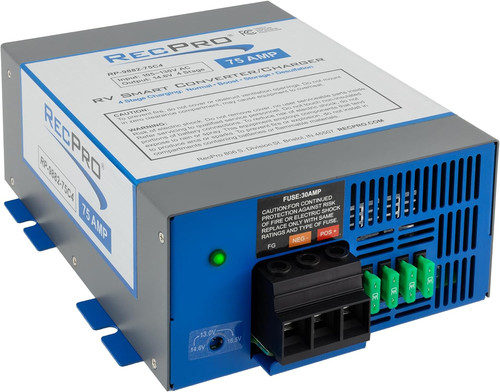
- RecPro RV Converter 55 Amp RV Power Converter & Battery Charger 4 Stage Smart — the best-known brand pick
- RV Power Converter 45 Amp for Camper — the budget pick for moderate needs
- 65 Amp RV Power Converter Battery Charger 4 Stage Smart Charging — a step up for larger RVs
Top RV Power Converters at a Glance
- PowerMax 15 Amp 12V DC RV Power Converter 4 Stage Smart Battery Charger — Most compact, best for minimal setups and small campers
- RecPro RV Converter 55 Amp RV Power Converter & Battery Charger 4 Stage Smart — Well-known brand, balanced for most mid-size RVs
- RV Power Converter 45 Amp for Camper — Budget pick for moderate power needs
- 65 Amp RV Power Converter Battery Charger 4 Stage Smart Charging — Step up for larger RVs with higher loads
- 100A RV Power Converter 110VAC to 12VDC RV Converter Adjusts Output 13V to 16.5V — Premium, high-output and adjustable voltage for demanding or custom setups
RV Power Converter Comparison Table
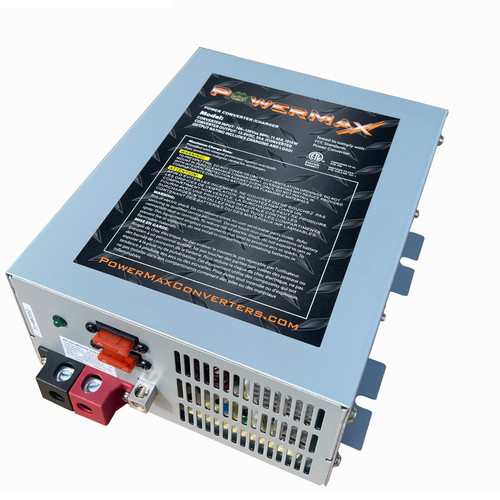
Pictured: PowerMax 15 Amp
| Product | Condition | Price | Best For | Max Output (Amps) | Special Feature |
|---|---|---|---|---|---|
| PowerMax 15 Amp 12V DC RV Power Converter 4 Stage Smart Battery Charger |
New | $ | Minimal power needs, tight spaces | 15 | Compact, 4-stage charging |
 RecPro RV Converter 55 Amp RV Power Converter & Battery Charger 4 Stage Smart RecPro RV Converter 55 Amp RV Power Converter & Battery Charger 4 Stage Smart |
New | $$ | Most mid-size RVs, trusted brand | 55 | 4-stage smart charging |
 RV Power Converter 45 Amp for Camper RV Power Converter 45 Amp for Camper |
New | $ | Budget pick, moderate loads | 45 | — |
 65 Amp RV Power Converter Battery Charger 4 Stage Smart Charging 65 Amp RV Power Converter Battery Charger 4 Stage Smart Charging |
New | $$ | Larger RVs, higher 12V loads | 65 | 4-stage smart charging |
 100A RV Power Converter 110VAC to 12VDC RV Converter Adjusts Output 13V to 16.5V 100A RV Power Converter 110VAC to 12VDC RV Converter Adjusts Output 13V to 16.5V |
New | $$$ | High-demand, adjustable output | 100 | Adjustable voltage 13–16.5V |
Pricing key: $ marks the budget tier, $$ the mid-range, $$$ the premium picks. Tiers are relative to the products in this comparison; actual prices update live below.
How to Choose the Right RV Power Converter for Your Setup
The most important spec for any RV power converter is its maximum output amperage. This determines how much 12V power can be supplied to your battery bank and DC loads (lights, water pump, fans, etc.) when plugged into shore power or running a generator. Undersizing means dim lights or tripping fuses when you run multiple appliances; oversizing wastes money and space.
As a rule of thumb, add up the maximum simultaneous 12V loads in your rig (in amps) and choose a converter with at least 20% headroom. For small campers with basic lighting and a water pump, 15A is often enough. For mid-size travel trailers or fifth wheels with multiple appliances, 45–65A covers most scenarios. Large rigs with residential fridges, slide motors, or big inverter-chargers may benefit from 80A or more.
Smart charging (multi-stage) is now standard on most quality converters. This feature automatically adjusts the charging voltage to optimize battery health — typically with bulk, absorption, and float phases. Adjustable output voltage is rare but valuable if you run lithium batteries or want to fine-tune for battery longevity.
Detailed Product Breakdown: Which Converter Fits Your Needs?
Best for Minimalist and Compact Setups: PowerMax 15 Amp
The PowerMax 15 Amp 12V DC RV Power Converter 4 Stage Smart Battery Charger is the smallest and lightest unit in this group. With 15A output, it’s aimed at compact travel trailers, teardrops, or van conversions with basic 12V loads. Its 4-stage smart charging supports healthy battery cycling, making it suitable for standard lead-acid RV batteries. If you’re tight on space or only need to power lights, a water pump, and phone chargers, the PowerMax 15 Amp keeps your system simple and affordable. It’s also easy to fit as a backup or replacement in older rigs with limited cabinet space. However, it won’t keep up with bigger loads — if you plan to run a furnace, compressor fridge, or multiple fans, consider a higher-output model.
Best-Known Mid-Size Pick: RecPro 55 Amp
The RecPro RV Converter 55 Amp RV Power Converter & Battery Charger 4 Stage Smart stands out for its balance of output, brand reputation, and smart charging features. At 55A, it’s sized right for most travel trailers, smaller fifth wheels, and Class C motorhomes. RecPro is a familiar name in RV parts, and by spec, this model is designed to handle typical DC loads — lights, pumps, vent fans, and charging moderate battery banks — without breaking a sweat. The 4-stage smart charging profile helps extend battery life, especially if you regularly plug into shore power or run a generator for long periods. If you want a “set and forget” converter from a brand with wide availability and support, the RecPro 55 Amp is a practical choice.
Budget Choice for Moderate Loads: 45 Amp for Camper
The RV Power Converter 45 Amp for Camper offers a no-frills, wallet-friendly solution for smaller and mid-size rigs. With 45A output, it’s well-matched to the needs of most single-axle travel trailers, pop-up campers, or older RVs where you want to upgrade from a tired factory converter without overspending. While it doesn’t list advanced smart charging features, its straightforward design covers the basics — providing stable 12V power and charging for lead-acid batteries. For most weekenders or seasonal users, the 45 Amp for Camper keeps things simple and efficient, as long as you’re not pushing the upper limits of your 12V system.
Step Up for Larger Loads: 65 Amp Battery Charger
If your RV has a residential fridge, multiple slide-outs, or a large battery bank, the 65 Amp RV Power Converter Battery Charger 4 Stage Smart Charging delivers the extra muscle. Its 65A output covers higher surge demands and faster battery charging, especially useful for families or full-timers running several appliances at once. The 4-stage charging ensures compatibility with most lead-acid RV batteries and helps prevent sulfation during long stays on shore power. This is a strong fit for bigger fifth wheels, Class A coaches, or any rig where you routinely run a lot of DC gear. Just make sure your wiring and battery bank can actually use the extra amperage — more isn’t always better if your system is sized for lighter loads.
Premium, Adjustable Output: 100A RV Converter
The 100A RV Power Converter 110VAC to 12VDC RV Converter Adjusts Output 13V to 16.5V is the top-tier option for high-demand RVs, off-grid builds, or anyone running specialty battery banks. With a maximum output of 100A and the rare ability to adjust output voltage from 13V to 16.5V, this unit supports large lithium or AGM battery banks and is especially useful for custom setups or rapid charging needs. Adjustable voltage lets you optimize for battery chemistry, temperature, or even desulfation cycles (always within manufacturer specs). This converter is overkill for most weekenders, but if you have a large solar array, run heavy inverters, or need to fine-tune charging for a bank of lithium batteries, the 100A RV Converter is a unique and powerful tool. For details on safe charging voltages for lithium and AGM batteries, check battery manufacturer documentation or trusted resources such as Battle Born Batteries’ technical articles.
Related Guides
- Solar Generators vs Gas Generators: Which Is Better for Off-Grid Power?
- Pure Sine Wave Inverters That Actually Deliver Clean Power
- Troubleshooting Off-Grid Power Systems: Where to Start When Things Go Wrong
- Choosing the Best Deep Cycle Battery for Off-Grid Power
- The 10 Best Inverter Generators for Reliable Off-Grid Power
- Browse all Power Inverters →
Smart Charging and Voltage Adjustment: Do They Matter?
Most of the converters in this list (except the 45 Amp for Camper) are described as “4-stage smart chargers.” This means they automatically cycle through bulk, absorption, float, and sometimes equalization phases, optimizing charging speed and battery longevity. For standard flooded or AGM batteries, this is a must-have to prevent chronic under- or overcharging, and you’ll see longer battery life compared to older single-stage converters.
If you run lithium batteries, adjustable output voltage — as found on the 100A RV Converter — lets you dial in the exact charging profile your batteries require. This is also handy if you want to run equalization cycles on flooded lead-acid batteries (typically at 15–16V, but always check your battery specs first). For a deeper dive on RV charging standards and safety, see RVtravel’s technical guide to RV converters.
Which Converter Fits Your RV? Matching Specs to Real-World Use
- Small campers, vans, teardrops: The PowerMax 15 Amp is the most compact and efficient for basic setups.
- Standard travel trailers, hybrid campers: Either the 45 Amp for Camper (budget) or RecPro 55 Amp (mainstream, smart charging) covers most needs.
- Larger fifth wheels, motorhomes: The 65 Amp Battery Charger delivers extra output for bigger loads and battery banks.
- Custom, high-demand, or lithium setups: The 100A RV Converter is the only model here with adjustable voltage and the output to match large banks or rapid charging scenarios.
If you’re unsure, check your RV’s 12V fuse panel for the sum of the fuse ratings and your battery bank’s recommended charge rate (usually 10–30% of battery Ah for lead-acid, up to 50% for lithium). Oversizing by one step is usually safe, but doubling or tripling your actual load wastes money and space without any real benefit.
Frequently Asked Questions About RV Power Converters
How do I know what size RV power converter I need?
Add up the maximum current draw (in amps) of all your 12V devices running at once — lights, water pump, fans, fridge, etc. Add at least 20% headroom for safety and future upgrades. For example, if your total is 35A, a 45A or 55A converter is a safe bet.
Is a 4-stage smart charger worth it compared to a basic converter?
Yes, especially for battery longevity. 4-stage smart chargers automatically adjust voltage for bulk, absorption, and float charging, preventing both undercharging and overcharging. This means longer battery life and less maintenance, which is why most new converters include this feature.
Can I use the 100A RV Converter with lithium batteries?
The 100A RV Converter’s adjustable voltage feature (13V–16.5V) is ideal for lithium battery banks, since you can set the exact charge voltage recommended by your battery manufacturer. Always check your battery’s specs before setting voltages above 14.6V, and never exceed manufacturer recommendations.
How does the RecPro 55 Amp compare to the 65 Amp Battery Charger for a large trailer?
The 65 Amp Battery Charger offers about 18% more output than the RecPro 55 Amp, which can help if you have a big battery bank or run several high-draw devices at once. For most standard travel trailers, the RecPro 55 Amp is sufficient, but for fifth wheels or rigs with residential fridges, the extra output of the 65 Amp model may be worth it.
Are these converters compatible with AGM or gel batteries?
All the smart-charging models listed (PowerMax 15 Amp, RecPro 55 Amp, 65 Amp Battery Charger, and 100A RV Converter) are compatible with AGM batteries, as they offer multi-stage charging profiles. For gel batteries, always verify that the charging voltage does not exceed your battery’s maximum; some gel types require special lower voltages.
What should I check before buying to ensure fit and compatibility?
Measure your available space, check the mounting style (deck mount vs. replacement for a factory power center), and confirm your battery type (flooded, AGM, gel, lithium). Also, review your RV’s wiring and fuse ratings to make sure they can safely handle the output of your chosen converter — oversizing too far can overload old wiring or fuses.
How long does a typical RV power converter last in regular use?
With average use and proper ventilation, modern RV power converters typically last 5–10 years. Dust buildup, overheating, or running at maximum output for extended periods can shorten lifespan. Choosing a converter with some headroom over your peak load can help extend its life.
For more RV electrical gear, check out the latest RV power converter deals on Amazon or browse the listings below for current prices and availability.
Last updated: July 2026 · Our editorial approach