Disclosure: As an Amazon Associate, we earn from qualifying purchases. This doesn’t affect what we recommend or how we describe it.
7 min read
Choosing the best deep cycle battery for your off-grid setup is one of the most important—and expensive—decisions you’ll make. Whether you’re powering a remote cabin, a van, or a solar-powered shed, the right battery bank determines how reliably you can run essentials like lights, refrigeration, and tools. Get it wrong, and you’ll find yourself frustrated by short runtimes, ruined batteries, or unexpected replacement costs. Here’s how to cut through the jargon and find a deep cycle battery that actually fits your real-world off-grid needs. For more detail, see Battery Council International.
At-a-Glance Comparison: Top Deep Cycle Battery Types for Off-Grid Use
| Battery Type & Example | Usable Capacity (12V, 100Ah) | Cycle Life (at 80% DOD) | Weight | Maintenance | Best For | Biggest Drawbacks |
|---|---|---|---|---|---|---|
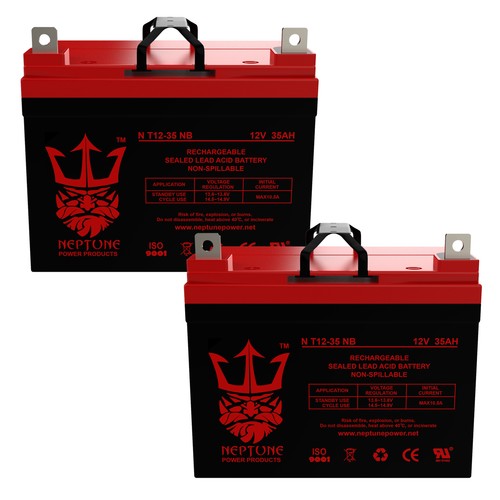
| Sealed AGM 12V 100Ah | ~60-65Ah | 400-600 cycles | ~30kg (66 lbs) | None | Budget builds, simple installs | Heavy, short lifespan if deeply cycled |
| Flooded Lead Acid 6V 225Ah (2 in series for 12V) | ~180Ah (at 50% DOD) | 1000 cycles | ~28kg (62 lbs) each | Monthly water top-up | Stationary off-grid cabins | High maintenance, venting required |
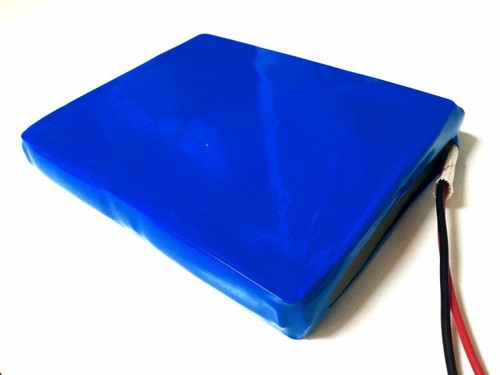
| LiFePO4 12V 100Ah | 90-95Ah | 3000+ cycles | ~11kg (24 lbs) | None | Full-time off-grid, mobile setups | High upfront cost |
| Gel Cell 12V 100Ah | ~60Ah | 500-800 cycles | ~30kg (66 lbs) | None | Low-current, sensitive loads | Slow charging, expensive vs. AGM |
When you want a brand-new unit with the full warranty, Amazon’s catalogue is usually the deepest.
Find on Amazon →Why Off-Grid Battery Choice Isn’t One-Size-Fits-All
Every off-grid setup has its quirks. The battery that works for a summer-only cabin isn’t always right for a full-time tiny house, and what fits in a van may not suit a stationary solar array. The best deep cycle battery is the one that matches your daily energy needs, charging sources, climate, and budget. Here’s what you need to weigh up: For more detail, see RV Travel: Guide to RV Batteries.
- Daily energy use: Add up all the watt-hours your devices use in 24 hours. Most off-grid homes land between 1,000–5,000Wh/day; van setups often run 300–1,500Wh/day.
- Depth of discharge: Lead-acid batteries last longest if kept above 50% charge; LiFePO4 can safely go down to 10–20% remaining.
- Charging method: Solar, generator, alternator, or a combo? Some batteries handle fast charging and partial charging better than others.
- Temperature swings: Sub-freezing temps can ruin some batteries or slash their usable capacity.
- Maintenance tolerance: Are you willing to top up water monthly, or do you want a sealed, zero-maintenance option?
How to Calculate the Right Battery Bank Size for Your Off-Grid Needs
Before you shop, get clear on your required battery bank size. Here’s a practical, no-nonsense approach:
- Step 1: Total up your daily energy use in watt-hours (Wh).
- Step 2: Decide how many days of autonomy you want (how long you can go without sun or a charge). Two days is a common minimum for off-grid homes.
- Step 3: Calculate total energy storage needed: [Daily Wh] × [Days].
- Step 4: Divide by your battery’s usable depth of discharge. Example: For lead-acid, use 50%; for LiFePO4, use 80–90%.
- Step 5: Convert watt-hours to amp-hours at your system voltage (usually 12V, 24V, or 48V): Wh ÷ Volts = Ah.
Example: 2,000Wh per day × 2 days = 4,000Wh. With LiFePO4 (usable DOD 90%), you need 4,000Wh ÷ 0.9 = 4,445Wh. At 12V, that’s 4,445Wh ÷ 12V ≈ 370Ah.
See today’s dealsAGM, Flooded, Gel, or LiFePO4: Which Battery Chemistry Fits Your Off-Grid Setup?
Most off-grid battery banks use one of four main types. Each has trade-offs in price, lifespan, weight, and maintenance:
- AGM (Absorbed Glass Mat): Sealed, maintenance-free, handles moderate discharge and charge rates. Good for budget builds, but heavy and less tolerant of deep cycles.
- Flooded Lead Acid: Classic off-grid workhorse. Affordable per Ah, but requires regular water checks and ventilation. Performs best in stationary, attended systems.
- Gel Cell: Sealed, low-maintenance, better for slow discharge, but slow to recharge and sensitive to overcharging. Less common in modern builds.
- LiFePO4 (Lithium Iron Phosphate): High usable capacity, ultra-long life (over 3,000 cycles), lightweight, zero maintenance. Upfront cost is 2–4× higher, but cost per cycle is lowest if you plan to use your system daily or long-term.
How Battery Specs Translate to Real-World Off-Grid Living
Manufacturers love to tout big amp-hour numbers, but the real-world performance comes down to:
- Usable capacity: A 100Ah lead-acid isn’t the same as a 100Ah LiFePO4. Lead-acid batteries should only be discharged to 50% for long life, while LiFePO4 can safely deliver 80–90% of their rated capacity.
- Cycle life: A quality LiFePO4 can handle 3,000–5,000 cycles at 80% depth of discharge. Most AGMs and gels last 400–800 cycles at the same depth.
- Weight and size: Lithium batteries are typically half the weight of the same-capacity lead-acid, a big deal for mobile setups or tight spaces.
- Temperature tolerance: Lead-acid batteries lose significant capacity below freezing. Most LiFePO4 batteries can’t be charged below 0°C (32°F) unless they have built-in low-temperature protection.
Related Guides
When to Spend More on LiFePO4—and When to Stick with Lead-Acid
For daily, year-round off-grid use, LiFePO4 batteries almost always win out over time. You’ll pay more upfront, but the longer lifespan, higher usable capacity, and zero maintenance make them cheaper per kWh delivered if you plan to use your system for more than 2–3 years. For seasonal cabins, backup-only systems, or tight budgets, lead-acid (AGM or flooded) can still make sense—just size your bank for shallower cycles and expect to replace batteries every 3–5 years with regular use.
When you want a brand-new unit with the full warranty, Amazon’s catalogue is usually the deepest.
Compare Options on Amazon →FAQs: Deep Cycle Batteries for Off-Grid Power
How do I determine what size battery bank I need for my off-grid system?
Add up your daily energy use in watt-hours, multiply by the number of days you want to go without charging, and then divide by the usable depth of discharge for your battery type. For lead-acid, use 50%; for LiFePO4, use 80–90%. Convert watt-hours to amp-hours based on your system voltage (usually 12V or 24V).
Can I mix different types or ages of batteries in my off-grid bank?
Mixing battery chemistries or ages in a single bank is a recipe for poor performance and early failure. Always use batteries of the same type, age, and capacity, ideally from the same lot. If you need more capacity later, add a separate, matched string.
What’s the difference between “deep cycle” and regular car batteries?
Deep cycle batteries are designed for repeated, sustained discharges and recharges—exactly what you need off-grid. Car (starting) batteries are made for short, high-current bursts and will fail quickly if cycled deeply. Never use car batteries for off-grid power.
How does cold weather affect deep cycle batteries?
Lead-acid batteries lose up to 30–50% of their capacity below freezing, but can usually be charged if above -15°C (5°F). Most LiFePO4 batteries can’t be charged below 0°C (32°F) unless they have a built-in heater or low-temp charging protection. Discharging is less of an issue, but always check your battery’s specs.
How often do I need to replace my off-grid batteries?
Flooded and AGM lead-acid batteries typically last 3–5 years with daily cycling at 50% depth of discharge. Gel cells can last a bit longer with shallow cycling. Quality LiFePO4 batteries can last 8–10 years or more, even with deeper cycling.
Is it worth paying extra for batteries with built-in Bluetooth monitoring?
Bluetooth monitoring lets you check state of charge, cycle count, and temperature from your phone—a real convenience for LiFePO4 batteries, especially in hard-to-access locations. It’s not essential, but can help you spot problems before they become expensive failures.
Choosing the Best Value: Practical Shortlist for Off-Grid Setups
For stationary, budget-conscious off-grid homes: Flooded lead-acid 6V golf cart batteries are hard to beat for value, as long as you don’t mind monthly maintenance and can ventilate the battery area. For mobile or maintenance-free setups, sealed AGM is the next best step up, though you’ll sacrifice lifespan and usable capacity compared to lithium.
If you’re investing for the long haul or want true “set it and forget it” performance, LiFePO4 is the clear winner—especially if you’re running sensitive electronics, want to save weight, or need maximum usable capacity in a small space. Always check for a battery management system (BMS) with low-temperature protection if you’ll be charging below freezing.
Before you buy, compare real-world specs—not just the sticker amp-hour rating. Look for cycle life (at a stated depth of discharge), weight, usable capacity, and warranty length. A solid LiFePO4 battery with a 5–10 year warranty and 3,000+ cycle rating will pay for itself in avoided replacements, even if it costs double upfront.
Check current pricesBottom line: Match your battery type to your lifestyle, climate, and willingness to do maintenance. There’s no universal “best,” but with the right numbers in hand, you can confidently choose a deep cycle battery that powers your off-grid life for years to come.