
7 min read
Disclosure: As an Amazon Associate and eBay Partner Network publisher, we earn from qualifying purchases. This doesn’t affect what we recommend or how we describe it.
120-watt portable solar blankets typically cost between $130 and $400, yet their real-world charging speed and durability can vary wildly. That price spread reflects a tangle of choices: panel type, wattage, connector compatibility, and ruggedness. For anyone who needs reliable off-grid power—whether to keep a fridge cold in a van, charge a power station at a campsite, or top up an RV battery on a cloudy day—choosing the best portable solar blanket isn’t just about price. It’s about matching your actual needs to the right format, size, and build, so you don’t end up frustrated or stranded with dead gear.
Comparing the most practical portable solar blanket types
| Format | Wattage Range | Weight | Folded Size (approx.) | Connector Options | Price |
|---|---|---|---|---|---|
| Lightweight 60W blanket | 55–70W | 1.8–2.5 kg | 32x20x4 cm | DC5521, USB-A/C | $ |
| Mid-weight 120W folding blanket | 110–130W | 3.2–4.5 kg | 38x32x5 cm | Anderson, MC4, USB-C | $$ |
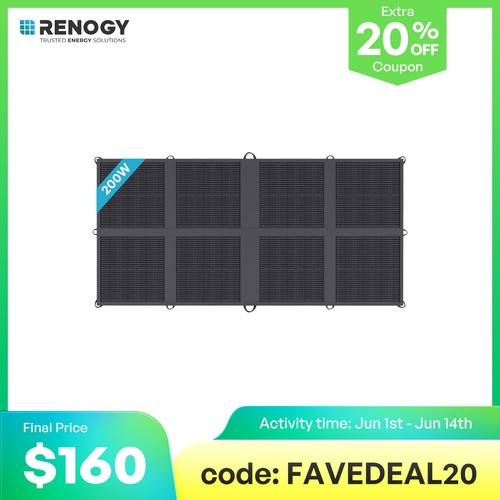
| Heavy-duty 200W rugged blanket | 180–210W | 6–7.5 kg | 50x40x7 cm | MC4, Anderson | $$$ |
| Ultra-compact 40W panel | 35–45W | 0.9–1.3 kg | 28x18x3 cm | USB-A/C | $ |
Portable solar blankets solve real off-grid charging problems
Solar blankets fill a unique gap between rigid panels and small folding chargers. They pack down small enough to stash in a backpack or van drawer, yet can still push out enough watts to charge a power station, run a 12V fridge, or keep a deep-cycle battery topped off. Unlike classic folding solar suitcases, blankets use flexible cells sewn into tough fabric, so they drape over car roofs, hang from awnings, or sprawl across rough ground without cracking.
The main reason to pick a solar blanket over a rigid or semi-rigid panel is portability. If you’re moving camp every day, need to chase the sun, or want to pack your charging kit away out of sight, a blanket’s low weight and compact fold make a real difference. But not all blankets are created equal—panel efficiency, connector types, and build quality can mean the difference between a reliable charge and a dead battery by morning.
How much wattage do you actually need?
Start by adding up your daily power needs. A typical 12V compressor fridge might use 30–40 amp-hours (Ah) per day, or about 400–500 watt-hours (Wh). Add phones, lights, and a laptop, and you’re at 600–700 Wh daily. To reliably replenish that with a solar blanket, you want a panel rated for at least 120W—assuming you’ll get 4–5 hours of decent sun and lose about 25% to real-world inefficiency and clouds.
- Short trips, phone/tablet charging: 40–60W blanket is enough.
- Fridge, lights, and regular laptop use: aim for 100–140W.
- Multiple devices or poor weather: 160–200W blanket adds headroom.
It’s easy to overestimate what a “100W” blanket can deliver. Under real sun, expect 60–80% of rated output unless you’re in perfect midday conditions. That means a “120W” blanket may provide 70–90W actual charging power most days.
Check current pricesConnector compatibility: don’t get stranded by the wrong plug
Solar blankets come with a jumble of connectors—DC5521 barrel, Anderson Powerpole, MC4, USB-A, USB-C, and sometimes proprietary plugs. Before buying, check what your battery, power station, or charge controller actually accepts. Many blankets include adapter kits, but not all. For 12V battery charging, MC4 or Anderson connectors are the most universal and robust. For direct device charging (phones, tablets), USB-A and USB-C are essential. If you own a portable power station, make sure the blanket’s voltage and plug match the station’s input—most want 18–24V DC in, not 12V.
Some cheaper blankets only offer USB outputs, which limits you to small devices. If you want to charge a battery or run a fridge, skip those and look for a blanket with MC4 or Anderson leads.
See today’s dealsRelated Guides
- The Best Portable Solar Blankets, Reviewed and Compared
- The Best Portable Solar Panels for Camping, Reviewed
- Difference Between Portable and Inverter Generators Explained
- Solar Generators vs Gas Generators: Which Is Best Off-Grid?
- How to Choose the Right Solar Charge Controller for Lithium Batteries
- Our guide to How to Choose the Right Solar Panel Tilt Mount for Your RV
- Browse all Solar Panels Kits →
Red flags in listings to walk past
- No stated dimensions: A missing size spec is a giveaway that the blanket is far smaller than the photos suggest, or the seller is reusing generic images. Always check for both folded and unfolded measurements in centimeters.
- Claims of “200W” from a blanket under 4 kg: High-wattage blankets need a certain surface area and weight. If the numbers don’t line up, expect inflated specs and poor real-world performance.
- No mention of cell type (monocrystalline, polycrystalline, or “PET”): Quality blankets use monocrystalline cells for higher efficiency and better low-light output. If the listing hides this info, it’s probably low-grade poly or even amorphous cells.
- No warranty or return policy details: Reputable sellers offer at least a 12-month warranty. If you can’t find warranty info, you’re rolling the dice on quality and support.
- All 5-star reviews, no real user photos: Overly polished reviews with no user-uploaded images often mean fake feedback. Look for listings with a mix of ratings and honest, photo-backed user experiences.
Durability and weather resistance: what matters in the field
Flexible solar blankets take more abuse than rigid panels, so materials and construction count. Look for reinforced PET or ETFE surface layers—these plastics resist cracking and peeling under UV and flexing. IP65 or better water resistance is a must if you’ll use the blanket outdoors. Stitching should be tight and even, with no loose threads or exposed wiring at the folds. Grommets or tie points help secure the blanket on windy days. For real off-grid use, avoid ultra-thin “canvas” blankets with no reinforcement, as these often delaminate after a season.
Even the best blankets will eventually show wear at fold points. Treat them with care: avoid folding the exact same way every time, and let them dry fully before storage. For more on solar panel durability standards, see IEC international standards.
Compare optionsFAQs: Real-world portable solar blanket questions answered
How long does it take to charge a 500Wh power station with a 120W solar blanket?
Assuming good sun and 70–80% real output (about 85–95W), expect 6–7 hours to fully charge a 500Wh portable power station. Cloud cover or poor angle can extend this to 9–10 hours.
Which is better for a van—solar blanket or rigid panel?
Blankets win for flexibility and stealth; they can be moved to follow the sun or packed away when parked under trees. Rigid panels are better if you want permanent, hands-off charging and don’t move camp often. For nomads who chase the sun or want to avoid drilling holes in a van roof, blankets are usually the better pick.
Can I connect a solar blanket directly to my 12V battery?
Only if the blanket has a built-in charge controller. Most do not, so you’ll need to run the output through an external controller to prevent battery overcharging. Direct connection without a controller risks damage to both the blanket and the battery.
What’s the typical lifespan of a quality portable solar blanket?
With careful use and storage, expect 3–5 years of regular field use before output drops noticeably. Cheaper blankets may degrade faster, especially if left in the rain or folded wet.
What should I do if my devices aren’t charging at the stated wattage?
Check the angle and cleanliness of the blanket, as dirt or bad orientation can cut output by 30% or more. Also verify that you’re using the correct cable and connector for your device—some power stations limit input based on plug type or voltage.
Are all portable solar blankets airline carry-on friendly?
Most 40–120W blankets fit in carry-on luggage, but larger 160–200W units may be too bulky or heavy. Always check folded dimensions and your airline’s carry-on size and weight limits before flying.
What warranty or support should I expect on a mid-range blanket?
A 12–24 month limited warranty is standard for reputable brands. Avoid sellers who offer no returns or support—these are often drop-shipped, low-quality products with little recourse if you get a dud.
Field-tested tips for getting the most from your solar blanket
Maximize output by laying the blanket flat and angled toward the sun, repositioning every 1–2 hours if possible. Clean the surface regularly with a soft cloth; dust and pollen can cost you 10–20% of potential output. Use the supplied tie-down points to prevent wind damage, and always store the blanket dry and loosely folded. For extended trips, carry spare adapter cables—these are the most-lost and hardest-to-replace components in the field.
For more guidance on solar off-grid setups and safety, see the National Fire Protection Association, which publishes standards relevant to portable power and solar equipment.
Last updated: July 2026 · How we cover this topic