9 min read
Disclosure: As an Amazon Associate and eBay Partner Network publisher, we earn from qualifying purchases. This doesn’t affect what we recommend or how we describe it.
A 21-watt solar panel can keep a phone charged for days off-grid, while a 400-watt blanket can top up a portable power station in a few hours of sun. The wattage and efficiency differences between portable solar panels for camping are dramatic, and the right choice depends entirely on what you need to power—and how much weight you’re willing to carry. This guide compares four real-world options, each with distinct strengths, from ultra-compact day-hike panels to high-output blankets for full camp setups.
Top picks at a glance
- MHPOWOS 400W Portable Folding Solar Panel Blanket — the highest output option
- Uimoso 150W Portable Foldable Solar Panel with Monocrystalline ETFE Design — the mid-range branded pick
- ALLPOWERS 21W Portable Folding Solar Panel Kit — the most compact and lightweight
- Solarplay Portable Solar Panel 23.4% for Solar Generators and Outdoor Camping — the premium efficiency choice
Portable solar panels for camping: side-by-side comparison

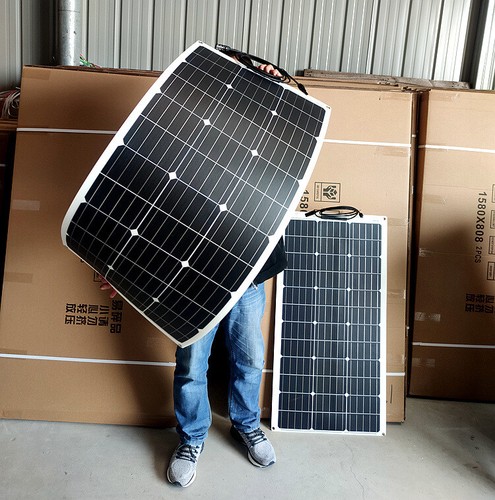
Pictured: MHPOWOS 400W
| Product | Condition | Price | Best For | Rated Output (W) | Efficiency / Material |
|---|---|---|---|---|---|
| MHPOWOS 400W Portable Folding Solar Panel Blanket |
New | $$ | High-output needs | 400W | Folding blanket design |
 Uimoso 150W Portable Foldable Solar Panel with Monocrystalline ETFE Design Uimoso 150W Portable Foldable Solar Panel with Monocrystalline ETFE Design |
New | $ | Mid-range/budget | 150W | Monocrystalline ETFE |
 ALLPOWERS 21W Portable Folding Solar Panel Kit ALLPOWERS 21W Portable Folding Solar Panel Kit |
New | $ | Backpacking/lightweight | 21W | — |
 Solarplay Portable Solar Panel 23.4% for Solar Generators and Outdoor Camping Solarplay Portable Solar Panel 23.4% for Solar Generators and Outdoor Camping |
New | $$$ | Premium efficiency | — | 23.4% efficiency, weatherproof |
Price tiers ($/$$/$$$) read across this comparison only — they mark each product’s relative position from cheapest to priciest in the set. Actual prices live below.
What wattage really gets you in the wild
Wattage dictates what you can realistically power. The MHPOWOS 400W is in a different league from most portable panels—400 watts is enough to charge a mid-sized power station (think 500Wh or more) from empty to full in a single sunny day, or to run a mini-fridge, LED lights, and keep phones topped up all at once. This panel is best suited for group camping, basecamps, or van setups where you run multiple devices or want quick recharge times.
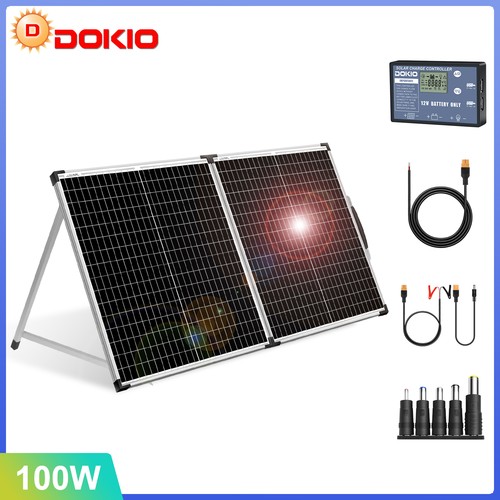
The Uimoso 150W offers a practical compromise: 150 watts is enough to keep a compact power station (250-300Wh) charged for daily use, or to run a laptop, camera batteries, and several phones without running out of juice. For solo campers or couples who need more than just USB charging, this panel covers most needs without the bulk of a 400W blanket.
If your only mission is keeping a phone, GPS, or headlamp charged, the ALLPOWERS 21W is the lightest and most packable option. At 21 watts, it won’t run a cooler or power station, but it’s perfect for day hikes, minimalist backpacking, or as an emergency backup.
The Solarplay panel doesn’t list its wattage, but claims 23.4% efficiency—on the high end for portable panels. This means faster charging in the same footprint, especially on cloudy days or in less-than-ideal sun, which justifies its premium pricing for those who don’t want to gamble with marginal weather.
Build quality and weather resistance
Camping solar panels live a tough life: they get folded, packed, and exposed to the elements. The Uimoso 150W stands out by specifying a monocrystalline ETFE coating—ETFE is known for its durability and UV resistance, which means the panel should tolerate repeated outdoor use better than older PET-based designs. The Solarplay panel also claims weatherproof construction, which, paired with its high efficiency, makes it the most reliable choice for frequent, all-weather campers.
The MHPOWOS 400W, described as a “blanket,” is likely to be bulkier but offers the most flexible deployment for large groups or basecamps. Check the product dimensions before buying—400W panels are rarely small, and you’ll want to ensure it fits your available space.
For lightweight, the ALLPOWERS 21W wins by default: at this wattage, panels are typically the size of a tablet when folded and weigh under 2 lbs, so you can toss it in a daypack without a second thought.
Connector types and device compatibility
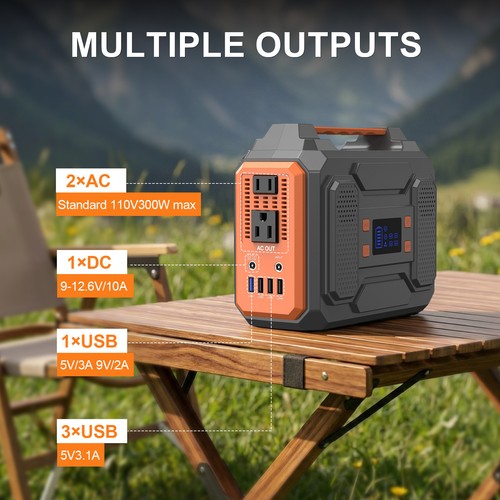
Not all panels play nicely with every device. The MHPOWOS 400W and Uimoso 150W are sized for charging portable power stations, which often require MC4 or DC barrel connectors. If you plan to use your panel with a specific power station, check both the panel’s output connectors and your battery’s input specs. The ALLPOWERS 21W is designed for direct USB charging—great for phones, but not for power stations. The Solarplay panel is marketed for “solar generators,” signaling compatibility with popular portable power stations, but confirm the included adapters before you buy.
For a deeper dive on connector standards and off-grid compatibility, see Solar United, which provides resources on matching panels to battery systems.
Related Guides
- Our guide to How to Tilt Solar Panels for Maximum Sunlight: A Practical Guide
- What Is the Ideal Tilt Angle for Solar Panels?
- Portable Power Stations for Camping: Which Ones Are Worth It?
- Our guide to Difference Between Portable and Inverter Generators Explained
- Solar Generators vs Gas Generators: Which Is Best Off-Grid?
- How to Choose the Right Solar Charge Controller for Lithium Batteries
- Browse all Solar Panels Kits →
Weight and packability: what you actually carry
Panel wattage means nothing if you leave it at camp because it’s too heavy to hike with. The ALLPOWERS 21W is the clear winner for backpackers: 21W panels are typically under 2 lbs and fold up smaller than a laptop. The Uimoso 150W is a good compromise, often coming in under 10 lbs and able to fit in a larger pack or the back of a car. The MHPOWOS 400W will be much heavier and bulkier—these are “portable” in the sense of moving between vehicles or setting up at a basecamp, not for hiking. The Solarplay panel’s weight is not specified, but premium efficiency panels tend to be lighter for their output than budget models; still, expect a size similar to the Uimoso.
Who should pick which panel?
- MHPOWOS 400W: Choose this if you need to run high-draw devices (portable fridges, CPAP, group lighting) or want the fastest charging for a large power station. Best for vehicle-based camping or semi-permanent setups.
- Uimoso 150W: This covers most solo or couple camping power needs without breaking the bank. It’s an all-rounder for charging laptops, cameras, and small power stations.
- ALLPOWERS 21W: Ideal for ultralight backpackers, day hikers, or as a just-in-case panel for emergencies. Not suitable for anything beyond phones and USB devices.
- Solarplay panel: If you want maximum efficiency, weatherproofing, and are willing to pay more for reliable charging in variable conditions, this is the premium pick.
Red flags in listings to walk past
- No stated wattage or efficiency: If a panel listing omits these numbers, it’s impossible to judge what it can actually power. Skip any panel that doesn’t clearly state its output in watts or its cell efficiency.
- Vague or generic photos: Listings that only show stock images, or never display the actual connectors or unfolded panel, often hide undersized panels or off-brand components.
- No mention of connector types: If the panel doesn’t specify whether it outputs USB, MC4, DC, or other connectors, you’re likely to end up with a panel that won’t connect to your gear.
- Unsubstantiated “weatherproof” claims: Look for panels that specify an IP rating or mention ETFE coating. “Weatherproof” without details is marketing, not a real feature.
- Missing dimensions or weight: If you can’t find out how big or heavy the panel is, expect it to be bulkier than you want. Reputable listings always include size and weight.
FAQs about portable solar panels for camping
How many devices can I charge with a 21W panel like the ALLPOWERS 21W?
A 21-watt panel is generally limited to charging one or two small USB devices at a time, such as a phone and a headlamp. In full sun, you can expect to keep your phone topped up daily, but it won’t reliably charge tablets or power stations.
Is the price difference for the Solarplay panel worth it compared to the Uimoso 150W?
If you need maximum efficiency in less-than-ideal sunlight or want a weatherproof, long-lasting panel, the Solarplay panel’s higher price can be justified. For fair-weather campers or those on a budget, the Uimoso 150W covers most needs at a much lower price point.
Can I use the MHPOWOS 400W to charge a Jackery or similar power station?
Yes, the MHPOWOS 400W is designed for high-output charging and is compatible with most portable power stations that accept MC4 or DC input. Always check your power station’s voltage and current input limits before connecting any panel.
How long will a 150W panel take to charge a 300Wh power station?
In full sun, a 150W panel like the Uimoso 150W can charge a 300Wh power station in roughly 2.5 to 3 hours, accounting for panel efficiency and real-world conditions. Cloud cover or shade will extend charging times.
Are these panels safe to leave outside in rain or snow?
Panels with ETFE coatings or weatherproof ratings, like the Solarplay panel and Uimoso 150W, are designed to withstand outdoor exposure. However, always check for a specified IP (Ingress Protection) rating and avoid leaving connectors exposed to standing water.
Uimoso 150W vs MHPOWOS 400W — which is better for car camping?
The Uimoso 150W is usually sufficient for car campers running small devices and occasional laptop charging. The MHPOWOS 400W is better for larger groups, longer trips, or if you need to power high-draw appliances like coolers or electric cooking gear.
What’s the warranty or return policy for these panels?
Warranty and return policies vary by seller and brand. Check the specific listing for warranty length (typically 12-24 months for reputable brands) and return terms. Avoid panels with no stated warranty or unclear support options.
Bottom line: match your panel to your real-world needs
The ideal portable solar panel for camping depends on your gear, group size, and how much weight you’re willing to carry. For lightweight phone charging, the ALLPOWERS 21W is unmatched for packability. If you need reliable charging for a power station and multiple devices, the Uimoso 150W offers the best value. The MHPOWOS 400W is for high-demand setups, and the Solarplay panel is the go-to for those who want premium efficiency and weather resistance. For more on matching solar panels to your camping setup, see the Outdoor Industry Association’s resources on outdoor tech gear.
Ready to find your fit? Browse all portable camping solar panels on Amazon or check individual listings above for the latest options.
Last updated: July 2026 · Our research process