7 min read
Disclosure: As an Amazon Associate and eBay Partner Network publisher, we earn from qualifying purchases. This doesn’t affect what we recommend or how we describe it.
Staying powered up while camping off-grid can make the difference between a relaxing trip and a frustrating one. Whether you want to run a CPAP machine, keep a mini fridge cold, or just recharge your phone and lanterns, a portable power station offers a quiet, clean alternative to noisy gas generators. But with so many sizes and specs on the market, picking the right unit for your actual camping needs is more confusing than ever. This guide breaks down the most practical choices, real-world sizing tips, and honest pros and cons—so you can confidently choose a portable power station that won’t let you down in the wild.
Side-by-Side Comparison: Practical Portable Power Station Options for Camping
| Type | Battery Capacity (Wh) | AC Output (W) | Weight (lbs) | Price | Key Pros / Cons |
|---|---|---|---|---|---|
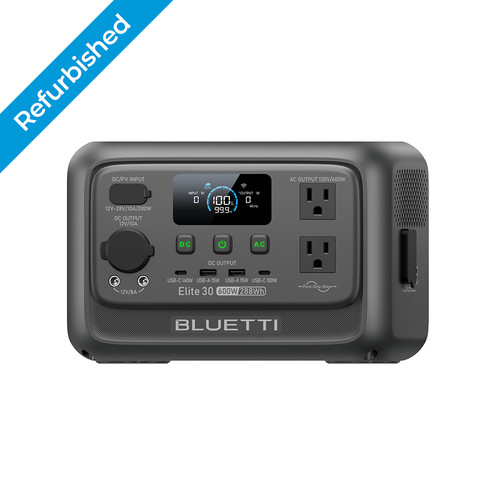
| Lightweight Lithium Mini | 300 | 250 | 7 | $ | Ultra-portable; powers phones, lights, small fans. Won’t run appliances; recharges fast via solar or car. |
| Mid-capacity Lithium Setup | 700 | 600 | 16 | $$ | Good for laptops, CPAP, camera gear. Still carryable; can run a 12V fridge overnight. |
| High-capacity LiFePO4 Station | 1200 | 1000 | 28 | $$$ | Runs small appliances, induction cooktops, or multiple devices. Heavy; longer recharge times. |
| Expandable Modular System | 2000+ | 1500+ | 45+ | $$$ | Best for families or RVs; stackable batteries. Very heavy; overkill for short trips. |
Note on pricing: the $ symbols are relative tiers within this comparison — $ is the cheapest of the bunch, $$$ the priciest. Live listings (and exact prices) appear further on.
How to Match a Portable Power Station to Your Camping Needs
Start by listing every device you actually want to power. A phone and headlamp charger uses less than 50Wh per day, while a CPAP machine can consume 300Wh overnight. If you want to run a 12V fridge, count on 300–500Wh daily, depending on the model and outdoor temperature. Add up your expected daily watt-hour use, then multiply by the number of days you’ll camp between recharges. Always add a 20% buffer for inverter losses and cloudy weather.
For most tent campers, a 300–700Wh unit is enough for lights, phones, cameras, and occasional laptop use. If you need to run a portable fridge, induction cooktop, or CPAP, step up to 1000Wh or more. For group camping or RVs with multiple appliances, look at modular systems with 2000Wh+ and higher inverter output.
See today’s dealsWhy Battery Chemistry Matters for Camping Portability
Most modern portable power stations use either lithium-ion (NMC) or LiFePO4 (lithium iron phosphate) batteries. LiFePO4 models typically last 2000–3000 charge cycles—about 4–6 times longer than standard lithium-ion, per Wikipedia’s LiFePO4 battery page. They’re also less prone to overheating, making them safer in hot tents or vehicles. The tradeoff: LiFePO4 units are heavier for the same capacity, so if you’re backpacking or have limited space, a lightweight NMC station might still make sense. For car camping and frequent use, the extra lifespan of LiFePO4 is worth it.
Portable Power Station Features That Actually Matter at the Campsite
- AC Output Wattage: The inverter rating (e.g., 600W continuous, 1200W surge) must match your highest single device’s needs. A 250W inverter won’t power a coffee maker or induction cooktop—check your appliances’ labels before buying.
- DC/USB Ports: At least two USB-A and one USB-C port is ideal for modern devices. If you use 12V gear (fridge, inflator), look for a regulated 12V output—some budget models don’t provide stable voltage.
- Solar Input Speed: Input rates vary from 60W (slow) to 400W (fast). For a 1000Wh station, a 100W portable solar panel will take 10–12 hours of full sun to recharge. If you want to stay off-grid indefinitely, prioritize a model that can accept 200W+ solar input.
- Weight and Carry Handles: Anything over 25 lbs gets awkward to move solo—especially across uneven ground. For walk-in sites, stick to 20 lbs or less.
- Display Readout: A real-time display showing watt-hours used, battery % remaining, and input/output wattage makes managing your power use much easier at camp.
Real-World Downsides and Common Complaints
Every portable power station has tradeoffs. The most common complaints from campers include:
- Overstated Capacity: Actual usable watt-hours are often 10–15% less than advertised, especially when running AC appliances—account for inverter losses.
- Slow Solar Charging: Many units bottleneck at 60–120W solar input, making it tough to recharge fully on cloudy days or short winter daylight.
- Noisy Fans or Beeps: Some models use noisy cooling fans or emit loud beeps when plugging in/out—annoying in the quiet of nature.
- Heavy to Carry: Anything above 30 lbs is a chore to move around camp, especially if you’re solo or have a long walk from the car.
- Limited AC Outlets: Many units only have one or two AC plugs—bring a small power strip if you need to run multiple devices at once.
Related Guides
- Portable Generators vs Inverter Generators: What’s the Real Difference?
- Our guide to Choosing the Best Solar Generator Kit for Home Backup Power
- The Best Battery Monitors, Reviewed for Reliable Off-Grid Power
- RV Power Converters Worth Buying
- Solar Generators vs Gas Generators: Which Is Better for Off-Grid Power?
- Pure Sine Wave Inverters That Actually Deliver Clean Power
- Browse all Portable Power Stations →
- The Best Portable Solar Panels for Camping, Reviewed
How to Recharge Your Power Station Off-Grid
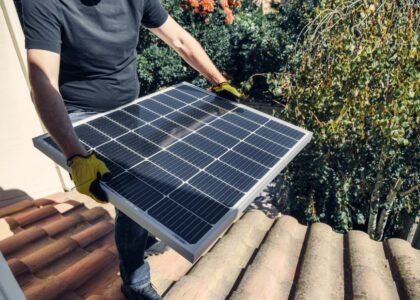
Portable power stations can be recharged three ways: wall outlet (fastest), car adapter (slow, usually 60–100W), or solar panel (varies by sunlight and panel size). For multi-day camping, solar is the only way to stay topped up without running your engine. Check your unit’s solar input rating—some only accept proprietary panels, while others use standard MC4 or 8mm connectors for universal compatibility. For a 700Wh station, a 120W folding panel will typically provide a full recharge in 7–8 hours of strong sun. For more on solar sizing, see the National Renewable Energy Laboratory’s solar resources.
View what’s availableFAQs: Portable Power Station for Camping
How long will a 700Wh portable power station last while camping?
With careful use, a 700Wh station can run a CPAP machine for 2 nights, or keep a 12V fridge cold for about 24 hours. For just phones, lights, and small devices, you’ll get 3–4 days per charge. High-drain appliances like induction cooktops will drain it in under an hour.
Is a lithium or LiFePO4 power station better for camping?
LiFePO4 stations last for thousands of cycles—years of camping use—while standard lithium-ion (NMC) models are lighter but usually wear out after 500–800 cycles. If you camp often, the longer lifespan and safety of LiFePO4 is worth the extra weight and cost.
Can I use a portable power station to run a heated blanket or coffee maker?
Most heated blankets pull 60–100W, so a 300Wh station will run one for 3–4 hours. Coffee makers, however, often draw 800–1200W—out of range for most compact stations. Check your device’s wattage and compare it to the inverter’s continuous output rating before plugging in.
Expandable station vs mid-capacity: which is better for group camping?
For families or groups running multiple fridges, lights, and charging stations, an expandable modular system offers more capacity and outlets. The tradeoff is weight—these setups are 40+ lbs and bulky, so they’re best for car or RV camping, not walk-in tent sites.
What’s the typical warranty and what should I check before buying?
Most portable power stations come with a 1–2 year warranty. Check for coverage on both the battery and inverter. Read the fine print—some brands require you to register for full warranty, and damage from using third-party solar panels may not be covered.
Why does my power station say 1000Wh but seem to run out faster than expected?
Actual usable capacity is lower than the rated number due to inverter losses (about 10–15%), temperature effects, and high-wattage loads. Always size up by 20% compared to your calculated needs to avoid running out of power early.
Final Call: Picking the Right Portable Power Station for Your Camping Style
Don’t be swayed by flashy marketing or oversized “all-in-one” units you’ll never move. Focus on your real power needs, the weight you’re willing to carry, and how you’ll recharge off-grid. For solo campers with basic needs, a lightweight mini station does the job. For groups or longer trips, a mid-capacity or expandable LiFePO4 unit offers more flexibility and peace of mind. Always check input/output specs, warranty details, and solar compatibility to avoid surprises at camp. Ready to see what’s available? Check current prices and compare your short list before your next adventure.
Last updated: July 2026 · How we cover this topic