8 min read
Disclosure: As an Amazon Associate and eBay Partner Network publisher, we earn from qualifying purchases. This doesn’t affect what we recommend or how we describe it.
Home solar generator kits for backup power now range from $400 to over $4000, with usable capacities from 300Wh to 5000Wh or more. That price and capacity spread matters: choosing the wrong size or type leaves you overpaying for features you’ll never use, or worse, stuck with a system that can’t keep the lights on through a real outage. Getting it right means matching system specs to your real backup needs—without falling for marketing hype or overspending on features you don’t need.
Comparing solar generator kit options for home backup
| Configuration | Battery Capacity (Wh) | Inverter Size (W) | Solar Input (W) | Portability | Price |
|---|---|---|---|---|---|
| Compact Lithium Kit | 300–500 | 300–500 | 60–120 | Easy one-person carry | $ |
| Mid-capacity LiFePO4 Kit | 1000–1500 | 1000–1500 | 200–400 | Manageable by two adults | $$ |
| High-capacity Home Backup Kit | 2000–3500 | 2000–3000 | 400–800 | Bulky, semi-portable | $$$ |
| Expandable Modular Kit | 3000–5000+ | 3000–5000+ | 800–2000+ | Stationary—requires setup | $$$ |
Matching kit size to your real backup needs
Before you consider brands or features, decide what you actually need to power during a grid outage. Start with a list of must-run essentials—think fridge (100–150W), a few LED lights (5–10W each), phone/laptop charging (10–50W), and maybe a fan or router. Add up the total wattage you’ll use at any one time, then multiply by the number of hours you want backup for. For example, running a 120W fridge and 40W of lights for 12 hours: (120 + 40) × 12 = 1920Wh needed.
Always add a 10–20% safety margin to your calculation. Battery ratings on solar generators are “nameplate”—you’ll rarely get 100% usable energy, due to inverter losses and real-world inefficiencies.
For most households, a 1000–1500Wh kit covers just the basics for an evening or overnight outage. Larger 2000–3500Wh kits can keep a fridge, lights, and some electronics running for a full day, or power more demanding appliances like CPAP machines or sump pumps. Kits over 4000Wh start to approach true “whole-room” or multi-day backup, but cost and weight ramp up fast.
Solar generator kit features that actually matter
- Battery chemistry: LiFePO4 (lithium iron phosphate) batteries last 2000–3500+ cycles—5–10 times longer than lead-acid or basic lithium-ion. For home backup, prioritize LiFePO4 for safety and lifespan.
- Inverter continuous wattage: Sizing is critical. A 1000W inverter can run a fridge, lights, and a laptop, but won’t start a microwave or space heater. Look for an inverter rated at least 25% higher than your highest-wattage device.
- Solar input rating: Faster recharging means faster recovery between outages. Kits with 200W+ solar input can recharge a 1000Wh battery in 6–8 hours of full sun; 400W+ is better for larger batteries.
- Outlet selection: At least 2–4 AC outlets, plus USB-A and USB-C ports, cover most backup needs. A 12V car port is handy for small DC appliances.
- Display and monitoring: Look for a display showing state of charge (%), input/output wattage, and error codes—numbers, not just vague “bars”. This helps avoid surprises during an outage.
Red flags in listings to walk past
- No stated inverter size: If a kit only lists battery capacity (Wh) but not inverter wattage (W), you can’t know what you’ll actually be able to run. This is a classic move to hide a tiny inverter paired with a big battery.
- “Peak” or “surge” wattage only: Peak/surge numbers are short bursts (usually under 5 seconds). Always check for a “continuous” or “rated” wattage figure to know what the kit can actually power for hours.
- No battery chemistry listed: If the listing hides whether it’s LiFePO4, lithium-ion, or lead-acid, assume the cheapest (and shortest-lived) type. Good sellers highlight chemistry up front.
- Missing weight or size info: If you can’t find real dimensions or weight, the seller may be using stock photos or exaggerating portability. Real-world kits over 2000Wh weigh 40+ lbs—if not stated, be skeptical.
- Wildly inflated “appliance runtime” claims: If a kit says it’ll run a fridge for “48 hours” on a 500Wh battery, you’re looking at marketing fiction. Always check the math yourself: battery Wh ÷ appliance W = theoretical hours (then reduce by 15–20% for losses).
What’s the right solar panel setup for home backup?
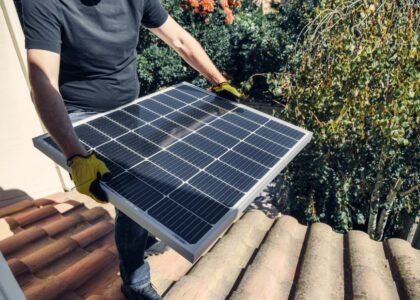
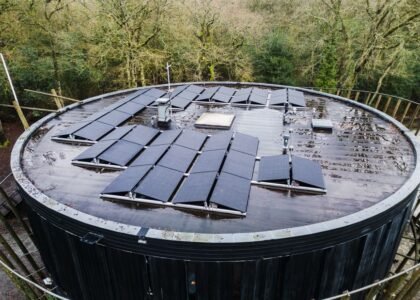
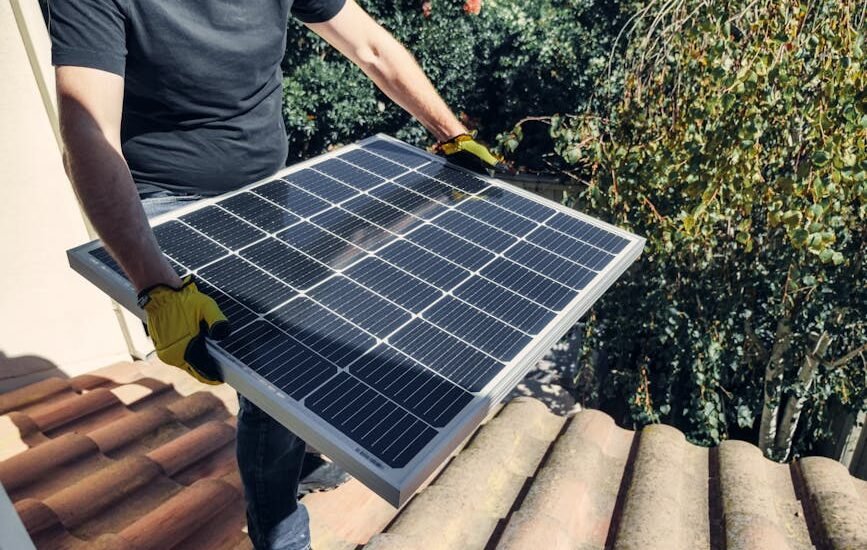
Panel size and type directly affect recharge speed. Most kits include 100–200W of folding or rigid panels. Two 100W panels can recharge a 1000Wh battery in 6–8 hours of full sun, but that’s under ideal conditions—clouds and shade will slow things down. For larger kits (2000Wh+), look for at least 400W of panel input, and check that the included panels actually match the kit’s max solar input rating. Some kits let you add panels later; that’s worth paying for if you want faster recovery after extended outages.
See today’s dealsExpandability and modular options: future-proofing your backup
Some of the best value in the long run comes from modular kits. These systems let you add extra battery packs or solar panels as your needs grow. For example, a base unit with 2000Wh and 2000W inverter can sometimes be expanded to 4000Wh or more with add-on batteries, and accept up to 1000W of solar input. This approach costs more up front, but saves you from replacing the whole system if your backup needs change. Make sure expansion batteries and panels are plug-and-play—adapters and proprietary connectors can be a headache if you mix brands or generations.
Related Guides
- Choosing the Best Solar Generator Kit for Home Backup Power
- Our guide to How to Buy a Solar Generator: A Practical Guide for Beginners
- Our guide to Choosing the Right Solar Panel Cable Connectors: What Matters Most
- Our guide to Solar Generator Kits That Are Actually Worth Buying
- Solar Generators on Wheels: Portable Power for Life Off the Grid
- Flooded Lead Acid vs AGM Batteries: Which Is Right for Off-Grid Power?
How to estimate real-world runtimes for your essentials
Don’t rely on manufacturer “runtime charts”—these are always based on ideal (and usually unrealistic) loads. To estimate how long a kit will run your fridge, lights, or devices:
- Find the wattage of each device (printed on the label or power adapter).
- Add up the total running watts you’ll use at once.
- Divide the kit’s battery capacity (Wh) by total watts—then reduce the answer by 15–20% to account for inverter and conversion losses.
Example: A 1200Wh kit running a 100W fridge and 40W of lights (140W total) gives you 1200 ÷ 140 ≈ 8.5 hours. After losses: about 7 hours of usable backup power.
View what’s availableFAQs: solar generator kits for home backup power
How many watts do I need for basic home backup?
For most households, a 1000–1500W inverter covers essentials like a fridge, lights, and device charging. Calculate your must-run appliances’ total wattage, and choose a generator with at least 25% more inverter capacity than your highest-wattage device to avoid overloads.
Can a solar generator kit run my refrigerator during an outage?
Yes, but size matters. Most modern fridges use 100–150W while running, but need a surge of 600–1200W to start. A kit with at least 1000W continuous inverter and 1000Wh or more of usable battery can handle a fridge for 6–10 hours, depending on usage and cycling.
Solar generator vs gas generator — which is better for backup?
Solar generators are silent, fume-free, and require no fuel, making them safer indoors and during extended outages. Gas generators offer higher output for large homes and long runtimes, but need fuel storage and outdoor operation. For basic backup in apartments or small homes, solar wins on convenience and safety; gas is still king for whole-house needs or well pumps.
How long does it take to recharge a solar generator kit with panels?
Recharge time depends on battery size and solar input. For example, a 1000Wh kit with 200W of solar panels recharges in about 6–8 hours of direct sun. Larger kits (2000Wh+) need at least 400W of panels for similar recharge speed—clouds and shade will increase charging time.
What warranty should I expect for a home backup solar generator kit?
Look for at least a 2-year warranty on the power station and battery, and 1–2 years on the panels. Some premium kits offer 5 years on LiFePO4 batteries. Avoid kits with “no returns” or vague warranty terms—these often signal low-quality components or poor support.
Are these kits safe to use indoors?
Yes, solar generator kits with lithium batteries are safe for indoor use, since they produce no fumes or carbon monoxide. Always keep them on a hard, flat surface, away from water, heat, or direct sunlight. Never use gasoline generators indoors—this is extremely dangerous and can be fatal.
Can I connect a solar generator kit to my home’s electrical panel?
Some large kits support this with a transfer switch, but installation should be done by a licensed electrician to meet code and avoid backfeeding the grid. For most users, running appliances directly from the kit’s outlets is safer and simpler.
What to do next: choose your kit with confidence
Start with your wattage and capacity needs, then use the table above to narrow down kit types. Stick with LiFePO4 batteries, honest inverter ratings, and at least 200W of solar input for quick recharging. Watch for red flags in listings, and don’t be afraid to ask sellers for real specs before you buy. For a deeper dive into battery sizing, real-world runtimes, or solar panel upgrades, check out trusted resources like Solar United Neighbors or Home Power Magazine.
Check current prices


Last updated: July 2026 · About our research