Disclosure: As an Amazon Associate, we earn from qualifying purchases. This doesn’t affect what we recommend or how we describe it.
7 min read
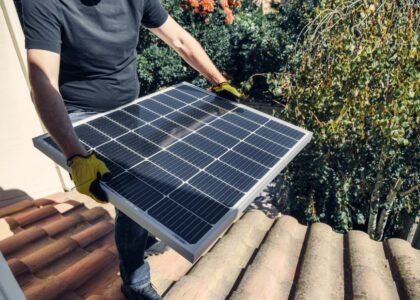
Mounting solar panels securely is one of the most overlooked steps in building a reliable off-grid power system. Whether you’re setting up panels on a cabin roof, an RV, a van, or a ground rack, the wrong bracket can mean wasted energy, expensive repairs, or even the loss of your panels in a storm. Choosing the best solar panel mounting bracket isn’t just about compatibility—it’s about finding a solution that fits your roof or site, handles your wind and snow loads, and makes installation and maintenance straightforward. For more detail, see Building code requirements for roof-mounted solar.
Side-by-Side Comparison: Four Top Solar Panel Mounting Bracket Types
| Bracket Type | Panel Compatibility | Mounting Surface | Adjustability | Rated Wind Load | Key Pros | Key Cons |
|---|---|---|---|---|---|---|
| Aluminum Z-Brackets (Standard Set) | Panels up to 200W, 30-40mm frame | Flat roofs, RV/van roofs | Fixed position | Up to 90 mph | Low cost, easy for beginners, lightweight | No tilt adjustment, not for heavy snow |
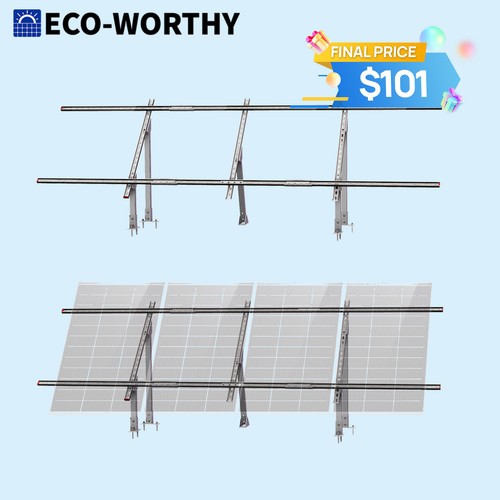
| Adjustable Tilt Legs (Heavy-Duty) | Panels up to 400W, 35-40mm frame | Ground, flat roof, RV roofs | 0–40° tilt range | Up to 120 mph | Seasonal tilt, better winter output, robust hardware | More parts to install, higher profile catches wind |
| Flush Roof Rail System (Modular) | Panels up to 450W, 30–45mm frame | Pitched or shingle roofs | Fixed flush mount | Up to 130 mph, 30 psf snow | Professional look, scalable, high wind/snow rating | Needs roof penetrations, more planning |
| Portable Folding Stand (No-Drill) | Panels up to 150W, 20–35mm frame | Ground, temporary use | Adjustable leg angle 0–35° | Up to 50 mph | Fast setup, no tools needed, ideal for camping | Not for permanent installs, easy to steal |
What Makes a Solar Panel Mounting Bracket “The Best” for Off-Grid Use?
There’s no single bracket that works for every scenario. The best solar panel mounting bracket for your setup depends on where you’re installing (roof, ground, RV, van, boat), the size and weight of your panels, local weather, and how much adjustability you want. Here’s how to narrow it down: For more detail, see Installing and maintaining home solar systems.
If you want the newest model, free returns, and quick shipping, Amazon is the easiest place to compare.
See on Amazon →- Roof material and structure: Metal, shingle, and rubber roofs each demand specific brackets. For example, Z-brackets work well on metal RV or van roofs, while rail systems are better for pitched shingle roofs.
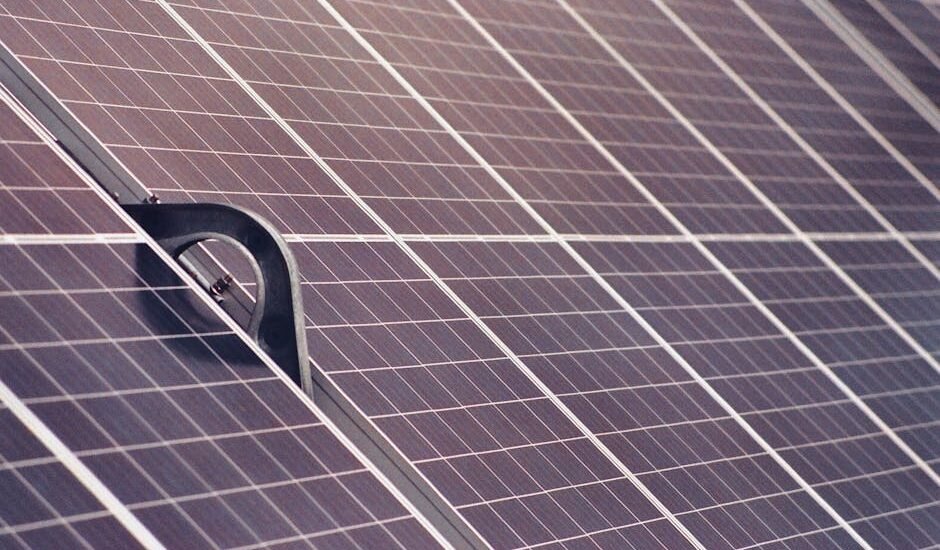
- Panel size and frame thickness: Most brackets list compatible frame thicknesses (e.g., 30–40mm). Oversized panels may need heavy-duty rails or tilt legs.
- Wind and snow loads: Look for wind ratings (e.g., 90–130 mph) and snow load specs (e.g., 30 psf) that match your local conditions.
- Permanent vs. portable: For stationary cabins, invest in robust, fixed or tilt mounts. For RVs and van life, low-profile or portable stands may be better.
There’s no point saving $30 on brackets if your panels get ripped off in a storm or aren’t angled for winter sun. Compare options before you buy.
How to Size and Select a Bracket for Your Solar Panels
Start by measuring your panel’s frame thickness and width. Most 100–200W panels use a 30–35mm frame; larger panels (300–450W) use 35–45mm. Brackets must fit snugly to avoid vibration and stress cracks. Next, check the weight of your panel. For instance, a 100W panel typically weighs around 15–18 lbs; a 400W panel can be 45 lbs or more. The bracket’s load rating should exceed the combined weight of all panels in the array, especially if you’re stacking or tilting them.
For high-wind or heavy-snow zones, select brackets with published wind (in mph) and snow (in psf) ratings. Don’t guess—overbuilding is far cheaper than replacing shattered glass or a torn roof. If you’re unsure, choose a system rated for at least 30% above your local maximums.
Fixed vs. Adjustable Brackets: Which Is Right for You?
Fixed brackets (like Z-brackets or flush rails) keep panels parallel to the mounting surface. They’re simple, low-profile, and less prone to wind damage. Adjustable tilt brackets let you change the panel angle—boosting winter output by up to 25% in northern climates. However, tilt mounts add height and wind exposure, which can be risky on RVs or exposed roofs.
- Choose fixed mounts for year-round sun, mild climates, or mobile setups.
- Choose tilt mounts for stationary systems in snowy or northern areas, or if you want to maximize winter charging.
Check out today’s deals on both types to see what fits your budget and needs.
Ground, Roof, or Portable: Matching Bracket to Your Site
Each mounting location comes with unique challenges:
- Ground mounts allow for ideal tilt and easy cleaning, but need concrete anchors or earth screws for wind resistance.
- Roof mounts save space and keep wiring short, but require careful sealing to prevent leaks. Pitched roofs often use rail systems with flashing; flat roofs or RVs often use Z-brackets or low-profile tilt legs.
- Portable/folding stands are great for camping or if you need to move panels for sun or storage, but aren’t secure enough for permanent setups.
Always match bracket hardware to both your panel and the mounting surface. Stainless steel or anodized aluminum hardware resists corrosion, especially in coastal or humid climates.
Related Guides
- Solar Powered Phone Chargers That Actually Work: A Practical Buyer’s Guide
- How to Use a Solar Charge Controller: Step-by-Step Instructions
- How to Choose the Right Solar Charge Controller for Lithium Batteries
- Best Solar Extension Cables: What to Look For and What to Avoid
- Browse all Solar Panels Kits →
FAQ: Solar Panel Mounting Brackets for Off-Grid Systems
Do I need special brackets for flexible solar panels?
Flexible panels are designed to bend and often use adhesive pads or Velcro, not rigid brackets. Standard Z-brackets or tilt legs can stress and crack flexible panels. Use only mounting kits specified for flexible panels, or stick to adhesive-backed options rated for outdoor use.
Can I use Z-brackets on a pitched shingle roof?
Z-brackets are best for flat or gently curved surfaces (like RV or van roofs). On a pitched shingle roof, use a rail system with roof flashing to prevent leaks. Rail systems spread panel weight, offer better wind resistance, and are easier to scale up if you add more panels later.
How do I know if a bracket is strong enough for my area’s wind and snow?
Check the product’s wind speed and snow load ratings, usually listed in mph and psf (pounds per square foot). For example, a bracket rated for 120 mph wind and 30 psf snow is suitable for most North American locations. Compare these numbers to your local building codes or weather history—always round up for safety. See what’s available with top ratings for peace of mind.
Is it safe to mount solar panels directly to an RV or van roof?
Yes, but only with brackets designed for your roof material (aluminum, fiberglass, etc.) and proper sealing. Low-profile Z-brackets or tilt legs are common. Avoid drilling near seams or unsupported areas. Never mount heavy panels or arrays without checking your roof’s structural capacity.
Will tilting my panels really boost off-grid performance?
Tilting panels can improve winter output by 15–25% in northern latitudes, where the sun stays low. In summer, flat mounting is often fine. Adjustable tilt legs let you change angles seasonally. This can be worth the extra cost if winter charging is critical for your system.
How many brackets do I need per panel?
Most 100–200W panels use 4 brackets (one at each corner). Panels over 300W or longer than 60 inches may need 6 brackets for extra support, especially if installed in windy areas or on moving vehicles. Always follow the panel and bracket manufacturer’s recommendations for spacing and number of supports.
Can I reuse brackets if I upgrade my panels?
Sometimes. If your new panels have the same frame thickness and length, existing brackets can often be reused. However, if you switch from 100W to 400W panels, you’ll likely need stronger brackets or a rail system. Double-check all specs before reusing hardware.
Final Thoughts: Avoiding Common Solar Bracket Pitfalls
The best solar panel mounting bracket isn’t always the cheapest or the fanciest—it’s the one that matches your site, panel size, weather, and future plans. Don’t skimp on wind and snow ratings, and always use brackets rated for your exact panel dimensions. When in doubt, go one size up in strength and quality. The right brackets are the cheapest insurance you can buy for your off-grid power system.
Ready to upgrade or build your system? Check current prices on the best-reviewed brackets for your setup and climate.