8 min read
Choosing between a conventional portable generator and an inverter generator is one of the most important early decisions when setting up reliable off-grid backup or primary power. The wrong choice leads to wasted fuel, noisy nights, or even damaged electronics. The right one keeps your fridge running, your tools charged, and your peace of mind intact—without breaking the bank or your back. Here’s how to make sure you pick the right type for your real-world off-grid needs.
Portable Generators vs. Inverter Generators: Key Off-Grid Differences
At first glance, both portable and inverter generators promise the same thing: mobile electricity, anywhere. But their internal technology, output quality, size, and fuel efficiency vary dramatically. These differences matter most when you’re powering sensitive electronics, running overnight, or trying to minimize fuel stops and noise in a remote setting.
| Type | Rated Output (Watts) | Weight (lbs) | Noise Level (dB @ 25% load) | Fuel Efficiency (gal/hr at 50% load) |
|---|---|---|---|---|
| Standard Open-Frame Portable | 3500 | 105 | 72 | 0.4 |
| Mid-Size Inverter Generator | 2200 | 48 | 54 | 0.13 |
| High-Capacity Inverter Generator | 3500 | 99 | 58 | 0.26 |
| Dual-Fuel Open-Frame Portable | 4000 | 120 | 74 | 0.45 |
What Makes Each Generator Type Unique in the Off-Grid World?
Portable generators and inverter generators both turn gasoline (or propane) into electricity, but the way they do it—and the type of power they produce—leads to very different use cases. Here’s how those differences play out off-grid:
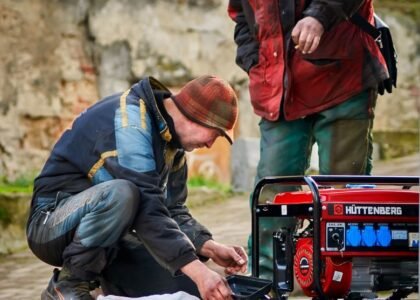
- Standard open-frame portables use a simple engine-alternator combo. They deliver “raw” AC power, which can spike or dip depending on engine speed. That’s fine for power tools or resistive loads (think heaters), but risky for laptops, modern fridges, or medical gear.
- Inverter generators first convert AC to DC, then use electronics to invert it back to ultra-stable AC. The result: true sine wave output, usually within 1-2% of nominal voltage and frequency. Safe for sensitive devices, and usually much quieter and more fuel-efficient at partial loads.
- Dual-fuel portables add flexibility by running on gasoline or propane—useful if you’re in a propane-heavy area or want longer shelf life. But most are still open-frame, meaning their output is “dirty” compared to inverter models.
- High-capacity inverter generators cost more, but combine clean output with enough power for RV air conditioners, well pumps, or whole-cabin backup. Many can be paralleled for even more capacity, a feature rarely found on standard portables.
Noise and Fuel Efficiency: Why Inverters Win for Long-Term Off-Grid Use
For anyone living or camping off-grid, generator noise isn’t just an annoyance—it can make or break your experience. Standard portables run at a fixed high RPM, often exceeding 70 dB (think lawnmower). Inverter generators throttle down when loads are light, dropping to 52-58 dB (normal conversation level). For overnight use, or when you’re parked close to others, this is a game-changer.
Fuel efficiency follows the same pattern. A 2200W inverter sipping 0.13 gallons per hour can run all night on a single tank. Open-frame portables burn through fuel nearly three times faster at the same relative load. Over a week, that’s a major cost—and hassle—difference, especially if you’re hauling fuel in by hand.
Related Guides
Power Quality and Device Safety: Protecting Modern Off-Grid Gear
Modern electronics—LED lighting, laptops, CPAP machines, lithium battery chargers—are sensitive to voltage and frequency swings. Standard portable generators can easily drift ±10% or more, especially as loads change. Inverter generators, by contrast, hold voltage dead steady (typically 120V ±1%) and frequency at 60 Hz ±0.1 Hz. That’s why you’ll see inverter generators specifically recommended for “clean power” applications by groups like the National Renewable Energy Laboratory.
Even some modern appliances (fridges, microwaves, TVs) with microprocessor controls can glitch or fail prematurely if run for long periods on “dirty” generator power. If you’re running a mix of old-school (tools, heaters) and new-school (electronics, smart appliances), this is a critical distinction.
Size, Weight, and Portability: What Matters for RVs, Vans, and Cabins
Hauling a 100+ lb generator up a set of stairs or into a van is never fun. Standard portables and high-capacity inverters both get heavy fast as output rises. For weekend camping, a 2200W inverter at under 50 lbs is a sweet spot—one person can move it, and it’ll handle a fridge, lights, and basic charging. For whole-house backup or well pumps, you’ll need to accept more weight, or get two smaller inverters with parallel capability.
Dimensions matter too. Many inverters come in compact, suitcase-style cases (roughly 20″ x 12″ x 17″). Open-frame units often take up twice the space and have awkward handles that make solo lifting a chore.
Real-World Sizing: How Much Power Do You Actually Need?
It’s tempting to buy “the biggest you can afford,” but that just leads to wasted fuel and more noise. Here’s a realistic sizing approach for typical off-grid scenarios:
- Weekend van/RV trips: 1800-2200W inverter covers fridge, lights, phone/laptop charging, and a coffee maker. Add a second unit in parallel for AC or microwave.
- Cabin or homestead backup: 3000-4000W required for well pump, fridge, and a few lights. Inverter preferred if running computers or lithium battery chargers.
- Construction or heavy tool use: Standard portable generator (3500-4000W) is fine for saws, air compressors, and battery chargers. Inverter not essential unless you’re also powering sensitive gear.
Parallel Capability: Getting More Power Without the Bulk
Many inverter generators (but almost no open-frame portables) offer parallel ports. This lets you link two identical units for double the output—handy if you want to start small and expand later. For example, two 2200W inverters will handle a 13,500 BTU RV air conditioner, or give you redundancy if one needs service. Make sure to use only factory-approved parallel kits; mismatched or DIY setups are a fire risk and void warranties.
See today’s deals
Maintenance and Reliability: What Breaks, and How to Avoid It
Open-frame portables are simple and rugged, but prone to carburetor gumming if left sitting with old gas. Inverter generators have more electronics, but are often better sealed against dust and moisture. Both types need oil changes every 50-100 hours (check your manual), and both benefit from using fuel stabilizer for long-term storage. In dusty or sandy environments, prioritize models with oversized air filters and easy access for cleaning.
Warranty terms vary: budget portables may offer just 90 days, while premium inverters can offer up to 3 years for residential use. Always check the fine print before you buy. For more on generator standards, see the Wikipedia overview of electric generators.
View what’s available
FAQs: Choosing Between Portable and Inverter Generators for Off-Grid Power
Can I safely run my laptop and TV on a standard portable generator?
It’s risky. Standard portables often produce “dirty” power with voltage spikes that can damage sensitive electronics. An inverter generator is much safer for computers, TVs, and modern appliances.
How much quieter is an inverter generator compared to a standard portable?
Most inverter generators run at 52-58 dB at a quarter load, while standard portables typically exceed 70 dB. That’s the difference between a normal conversation and a lawnmower—noticeable, especially at night or in quiet settings.
Which is better for powering a well pump: inverter or portable?
If your well pump is an older, induction-motor type and you don’t have sensitive electronics on the same circuit, a standard portable works fine and costs less. If you’re powering a mix of old and new appliances, or need to keep noise and fuel use down, a high-capacity inverter is the safer bet.
How long will a 2200W inverter generator run on one tank of gas?
At 25% load (about 500W), a typical 2200W inverter can run 8 to 10 hours on a single gallon of gasoline. This varies by model and fuel tank size, but is much longer than most standard portables of similar output.
Are inverter generators worth the extra cost for occasional use?
If you only need backup power for tools or basic lighting, a standard portable saves money. For RVs, electronics, or long-term off-grid living, the extra cost of an inverter pays for itself in fuel savings, quieter operation, and fewer device failures.
What’s the most common failure point for each type?
For open-frame portables, carburetor clogging from stale gas is a top issue. For inverters, electronic control boards can fail—usually from overloads or moisture. Both benefit from regular maintenance and proper storage.
Will a dual-fuel generator run as efficiently on propane as gasoline?
No. Propane burns cleaner and stores longer, but produces about 10-15% less power per gallon than gasoline. Run times may be slightly longer due to cleaner combustion, but wattage output is lower.
Can I parallel two different brands or sizes of inverter generators?
No. Only identical models from the same manufacturer should be paralleled, using the approved kit. Mixing brands or sizes risks equipment damage and voids warranties.
Summary: Which Generator Type Is Right for Your Off-Grid Setup?
If you need budget-friendly, brute-force power for tools or backup, a standard open-frame portable does the job—just keep electronics unplugged. For quieter, cleaner, and more efficient running (especially with sensitive devices), an inverter generator is worth the investment. Dual-fuel models add flexibility, but don’t solve the “dirty power” problem unless they’re also inverters. Always size your generator for your real-world peak loads, not just “what looks big enough.” Check warranties, fuel efficiency specs, and noise ratings before you buy. For most off-grid homes, RVs, or van setups, the peace and quiet of an inverter generator pays off every single day.
Last updated: July 2026 · About our research