9 min read
Disclosure: As an Amazon Associate and eBay Partner Network publisher, we earn from qualifying purchases. This doesn’t affect what we recommend or how we describe it.
Choosing between a gas generator and a propane generator comes down to more than just fuel preference. The real-world differences affect everything from runtime and maintenance to installation, portability, and how much hassle you want during an outage or off-grid trip. With several models now offering both fuel options—or even tri-fuel capability—the decision is less about either/or and more about which generator setup matches your power needs and lifestyle.
Top picks at a glance
- Champion 100519 Tri-Fuel Generator 6250-Watt — the best value tri-fuel generator
- Winco 8kW Propane/Natural Gas Automatic Generator — the heavy-duty automatic option
- Pulsar Dual Fuel 4000 Watt Inverter Generator with CO Alert — the most portable dual fuel inverter
- PowerSmart 4400W Dual Fuel Inverter Generator — the budget pick for dual fuel
Gas vs Propane Generator: What Actually Matters for Off-Grid and Backup Power?
Gasoline generators are everywhere, but propane models are gaining traction for good reason. Propane stores almost indefinitely, produces fewer deposits inside the engine, and is less likely to gum up your carburetor during long periods of disuse. Gasoline, on the other hand, offers higher energy density—meaning you’ll get more watt-hours per gallon—and is often easier to find during emergencies. Many modern generators now support both fuels, and true tri-fuel models even add natural gas for permanent standby setups. Let’s break down what you actually get with each option, using real products to highlight the trade-offs.
Comparison Table: Real-World Gas, Propane, and Tri-Fuel Generators
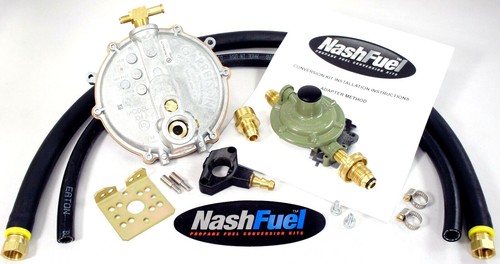
Pictured: Champion 100519
| Product | Condition | Price | Best For | Fuel Options | Rated Output (Watts) |
|---|---|---|---|---|---|
| Champion 100519 Tri-Fuel Generator 6250-Watt |
New | $ | Best value tri-fuel generator | Gasoline, Propane, Natural Gas | 6250 |
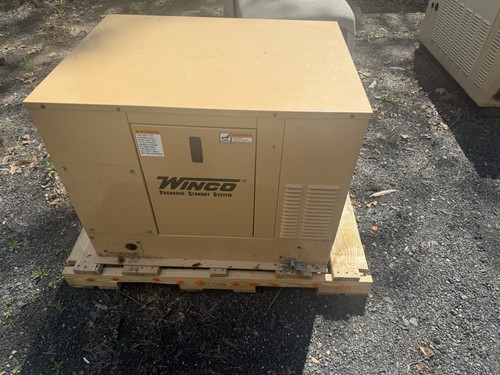 Winco 8kW Propane/Natural Gas Automatic Generator Winco 8kW Propane/Natural Gas Automatic Generator |
Used | $$$ | Heavy-duty automatic option | Propane, Natural Gas | 8000 |
 Pulsar Dual Fuel 4000 Watt Inverter Generator with CO Alert Pulsar Dual Fuel 4000 Watt Inverter Generator with CO Alert |
New | $$ | Most portable dual fuel inverter | Gasoline, Propane | 4000 |
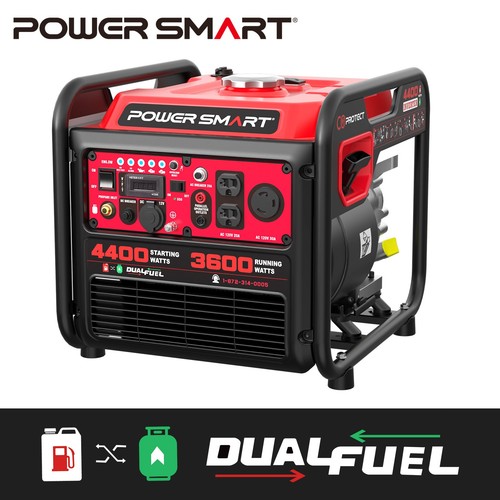 PowerSmart 4400W Dual Fuel Inverter Generator PowerSmart 4400W Dual Fuel Inverter Generator |
New | $$ | Budget pick for dual fuel | Gasoline, Propane | 4400 |
 Westinghouse WGEN5300V Tri-Fuel Generator Westinghouse WGEN5300V Tri-Fuel Generator |
New | $ | Most versatile tri-fuel option | Gasoline, Propane, Natural Gas | 5300 |
The price column compares within this guide: $ is the budget end, $$ mid, $$$ premium. For exact, up-to-date prices, see the live listings lower in the article.
When Gasoline Makes Sense—and When It’s a Hassle
Gasoline is the most common fuel for portable generators. It’s widely available, and both the Champion 100519 Tri-Fuel Generator 6250-Watt and Pulsar Dual Fuel 4000 Watt Inverter Generator with CO Alert include gasoline compatibility for maximum flexibility. You’ll get more watt-hours per gallon than propane, which matters if you’re running heavy loads for hours at a time. However, gasoline degrades in storage (often within a few months), and running a generator on stale gas is the fastest way to clog a carburetor or foul your spark plug. For infrequent users, this means extra hassle: draining tanks, adding stabilizer, or cleaning out gunked-up fuel lines.
Propane: Clean, Stable, and Ready for Long-Term Storage
Propane’s main advantage is its shelf life—unlike gasoline, it doesn’t go bad, making it ideal for standby or emergency use. The Winco 8kW Propane/Natural Gas Automatic Generator is a standout here, designed for permanent installation and automatic switching, with propane as a primary fuel. Both the PowerSmart 4400W Dual Fuel Inverter Generator and Pulsar 4000W let you switch to propane for cleaner operation and easier storage. Propane tanks are simple to swap out, and you avoid the risk of fuel spills or toxic fumes during refueling. The trade-off: propane produces about 10–15% less power than gasoline in the same engine, so expect slightly lower output and shorter runtimes per tank.
Tri-Fuel Generators: The Best of All Worlds?
If you want to cover every base, tri-fuel models like the Westinghouse WGEN5300V Tri-Fuel Generator and Champion 100519 are compelling. They let you use gasoline for maximum output, propane for storage and safety, and natural gas for unlimited runtime if you’re connected to a utility line. Tri-fuel is especially attractive for off-grid homes or workshops that need the flexibility to adapt to fuel shortages or long-term outages. Keep in mind that tri-fuel generators are typically bulkier and may require a more involved setup if you plan to use natural gas.
Related Guides
- Our guide to Choosing the Best Solar Generator Kit for Home Backup Power
- Amp Hours vs Watt Hours: What’s the Real Difference?
- Portable Power Stations for Camping: Which Ones Are Worth It?
- Difference Between Portable and Inverter Generators Explained
- Our guide to 12V Solar Charge Controller Circuit Diagram Explained
- The Best Battery Monitors, Reviewed for Reliable Off-Grid Power
- Browse all Off Grid Generators →
Portability vs Permanent Installation: What’s Right for You?
Portability is a major dividing line. If you need a generator for camping, RVing, or tailgating, the Pulsar 4000W and PowerSmart 4400W both use inverter technology, which means cleaner power for sensitive electronics and a lighter, quieter build. These dual fuel inverters are easy to transport and set up, but max out at 4000–4400 watts—enough for small appliances or an RV A/C, but not a whole house. For true whole-home backup, the Winco 8kW is designed for hardwired, automatic operation, with power output to match. The tri-fuel models fall in between: portable enough to move, but heavy enough that you’ll want wheels and a helping hand.
Automatic Transfer and Standby: Who Needs It?
If you want your power to kick on automatically during an outage, only the Winco 8kW offers integrated automatic transfer capability. This model is built to start on propane or natural gas and restore power to your home without manual intervention. The other generators here require you to start them manually and connect loads by cord or transfer switch. For many, this is a reasonable trade-off for cost savings and portability, but for critical loads or remote properties, automatic standby is worth the premium.
Noise, Emissions, and Safety: Real-World Considerations
Inverter generators like the Pulsar 4000W and PowerSmart 4400W are typically quieter and produce cleaner power, making them suitable for campsites or tailgates. The Pulsar 4000W also features a CO Alert sensor, an important safety feature that shuts down the generator if carbon monoxide levels rise. Propane generally burns cleaner than gasoline, reducing carbon monoxide and particulate emissions, which is a key consideration for anyone running a generator near living spaces. For more on generator safety and emissions, see the U.S. Consumer Product Safety Commission generator safety center.
Who Should Choose Which Generator?
- For flexible, portable backup: The Champion 100519 and Westinghouse WGEN5300V offer tri-fuel compatibility at a budget-friendly price. These are smart choices if you want to use whatever fuel is on hand.
- For whole-home standby: The Winco 8kW is built for automatic operation and high output, ideal for homes that see frequent outages or need to power large loads.
- For camping, RVs, and light loads: The Pulsar 4000W is the most portable and includes CO safety shutoff. The PowerSmart 4400W is a good budget alternative with similar dual fuel flexibility.
Frequently Asked Questions About Gas and Propane Generators
How much runtime can I expect when using propane vs gasoline?
Propane typically yields about 10–15% less runtime than gasoline for the same tank size and generator. For example, a 20-pound propane tank may run a 4000-watt generator for roughly 8–10 hours at half load, while a full gasoline tank of similar energy content could run slightly longer. Always check the manufacturer’s runtime estimates for your specific model and fuel type.
Is the Winco 8kW worth the price over dual fuel portables?
If you need automatic, whole-home backup and plan to hardwire your generator, the Winco 8kW’s standby capability and higher continuous output justify the premium. For occasional, portable use or lighter loads, a dual fuel inverter like the Pulsar 4000W or PowerSmart 4400W is more cost-effective and easier to move.
Can I use a tri-fuel generator with natural gas from my utility line?
Yes, both the Champion 100519 and Westinghouse WGEN5300V support natural gas input. This allows for unlimited runtime during extended outages, provided you have a stable supply. Setup typically requires a compatible hose and regulator, and permanent installation should be handled by a professional to ensure safe connections.
What are the main safety differences between gas and propane generators?
Propane is safer to store long-term and less likely to spill or create fire hazards compared to gasoline. Some models, like the Pulsar 4000W, include carbon monoxide safety shutoff sensors. Regardless of fuel, always operate generators outdoors, away from windows and doors. For further guidance, see the OSHA portable generator fact sheet.
Are inverter generators really quieter and safer for electronics?
Yes. Inverter models like the Pulsar 4000W and PowerSmart 4400W produce stable, low-distortion AC power (often less than 3% total harmonic distortion), which is safe for computers, TVs, and sensitive appliances. They also tend to be noticeably quieter (often under 65 dB at 25% load) compared to open-frame conventional generators.
Can I run a generator on propane in freezing temperatures?
Propane can be used in cold weather, but output may decrease as tank pressure drops below 20°F (-6°C). For reliable winter use, keep tanks full, sheltered, and upright. Gasoline does not suffer from the same pressure issues but presents more storage and safety challenges.
What’s the best generator for occasional power outages and camping?
If you want a single unit for both home backup and camping, the Westinghouse WGEN5300V offers tri-fuel versatility with a manageable size. For those prioritizing portability, the Pulsar 4000W is easier to move and includes advanced safety features, while the PowerSmart 4400W delivers strong performance at a lower price.
Bottom Line: Gas, Propane, or Both?
If you want maximum flexibility and storage safety, tri-fuel or dual fuel generators are the clear winners. For those who need set-and-forget home backup, a propane-focused standby unit with automatic transfer is worth the investment. For portable, occasional use—especially where quiet operation or clean power is a priority—a dual fuel inverter is the most practical choice. Weigh your power needs, fuel storage preferences, and whether you’ll install permanently or move your generator from place to place. For the models above, you’ll find live prices and current listings below.
Last updated: July 2026 · Our research process