8 min read
Disclosure: As an Amazon Associate and eBay Partner Network publisher, we earn from qualifying purchases. This doesn’t affect what we recommend or how we describe it.
Hauling a solar generator up a mountain, or wiring a bank of deep cycle batteries under your RV bed—what’s actually the better move for off-grid power? The answer depends on how you plan to use your gear, how much weight you’re willing to carry, and whether you want a plug-and-play solution or a system you can expand and maintain. This guide breaks down the real differences between portable power stations and deep cycle battery setups, so you can choose the right fit for your cabin, van, or off-grid weekend.
Side-by-side comparison: power station vs deep cycle battery setups
| Option Type | Usable Capacity | Output Power | Weight | Price | Pros / Cons |
|---|---|---|---|---|---|
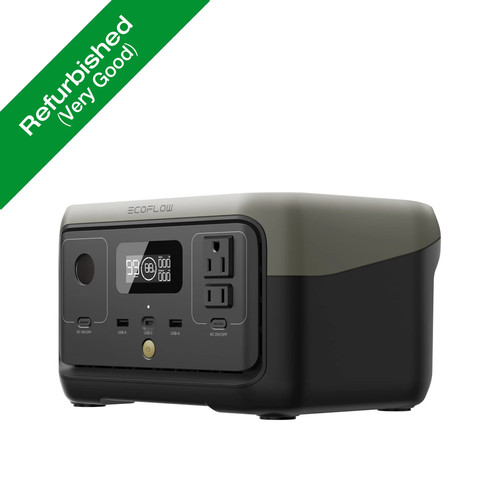
| Compact LiFePO4 Power Station | 512 Wh | 500W AC, 2x USB-A, 1x USB-C | 7 kg | $$ |
|
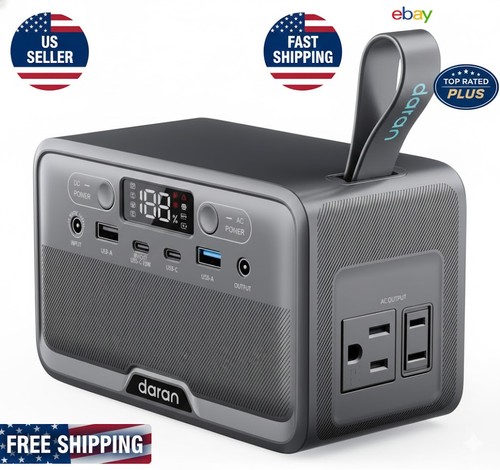
| High-Capacity Power Station | 2048 Wh | 2000W AC, 4x USB, 2x 12V DC | 22 kg | $$$ |
|
| 12V 100Ah AGM Deep Cycle Battery | ~600 Wh (50% usable) | Depends on inverter | 28 kg | $ |
|
| 12V 100Ah LiFePO4 Deep Cycle Battery | ~1200 Wh (80–100% usable) | Depends on inverter | 13 kg | $$ |
|
$ / $$ / $$$ indicates budget / mid-range / premium relative to the picks above. Check live listings further down for current prices.
What really sets power stations and deep cycle batteries apart?
The core difference is integration. Power stations are self-contained: battery, inverter, charge controller, outlets, and display in one box. Deep cycle batteries are just the storage—you still need to add a charger, inverter, and wiring to make a usable system. This means power stations are dead simple for beginners, but often less flexible and pricier per watt-hour. Deep cycle batteries demand more setup but can be tailored and expanded over time.
For portable, short-term use (camping, tailgating, emergency backup), power stations win on convenience. For full-time off-grid, RV, or cabin setups where you need more capacity or want to upgrade components, deep cycle batteries are usually the stronger foundation.
Real-world sizing: how much power do you actually need?
Start by listing the devices you plan to run and their wattage. For example, a laptop (60W), a 12V fridge (40W), and some LED lights (10W) running for 8 hours totals about 880 Wh per day. Add a buffer (20–30%) for inverter losses and cloudy days. Most small power stations (300–500 Wh) won’t make it through a full day with a fridge. For even a modest off-grid cabin, you’ll likely want 1000–2000 Wh of usable battery—meaning a mid-to-large power station, or a 12V 100Ah+ deep cycle battery setup with inverter and solar.
Check your maximum load too. Some appliances (like coffee makers or microwaves) pull 1000W+ in short bursts. Make sure your inverter or power station’s output rating covers your peak needs. Look for at least a 20% margin above your biggest load.
Quick decision tree
- If you need true grab-and-go simplicity: Compact LiFePO4 Power Station
- If you want to run heavy-draw appliances (microwave, power tools): High-Capacity Power Station or LiFePO4 Battery + Inverter
- If budget is your main constraint: 12V 100Ah AGM Deep Cycle Battery + inverter (but expect more weight and maintenance)
- If long-term value and upgradability matter: 12V 100Ah LiFePO4 Deep Cycle Battery with modular components
- If every kg counts (backpacking, small van): Compact Power Station—deep cycle setups are too bulky
Related Guides
- Choosing the Best Deep Cycle Battery for Off-Grid Power
- The Best Battery Monitors, Reviewed for Reliable Off-Grid Power
- Portable Battery Boxes for Off-Grid Power
- Solar Battery Maintainers for Reliable Off-Grid Power
- Our guide to Choosing the Best Solar Generator Kit for Home Backup Power
- The 10 Best Inverter Generators for Reliable Off-Grid Power
- Browse all Portable Power Stations →
Expandability and system upgrades
Power stations are mostly closed systems. Some allow you to chain on extra batteries (usually only from the same manufacturer), but you’re stuck with the built-in inverter and ports. Deep cycle battery setups are modular. You can add more batteries, swap in a bigger inverter, or upgrade to a smart charger when your needs change. This flexibility is why most serious off-grid users eventually move to a custom battery bank, especially for cabins or full-time vehicles.
If you’re starting small but plan to expand, investing in quality deep cycle batteries (especially LiFePO4) can save you money and hassle down the line.
Maintenance, reliability, and lifespan
AGM and flooded lead-acid batteries need regular checks (voltage, water level if flooded) and shouldn’t be discharged below 50% to avoid rapid wear. LiFePO4 batteries are nearly maintenance-free, tolerate deep discharges, and last 5–10 years with proper care (2000+ cycles at 80% depth). Power stations with LiFePO4 cells share this long life, but if the inverter or electronics fail, repair is rarely practical—often you have to replace the whole unit.
Deep cycle batteries (especially modular LiFePO4) can have individual components swapped if something breaks. That’s a big plus for remote off-grid setups where downtime is costly.
Charging options and solar integration
Both power stations and deep cycle batteries can be charged from solar, but there’s a catch: Power stations only accept solar panels within a specific voltage/current range and connector type. Some models limit solar input to 100–500W. Deep cycle batteries are more flexible—you can size your solar array and charge controller to match your needs, from a single 100W panel to a 1kW rooftop system. Want to charge from your vehicle alternator or a generator? Deep cycle setups are easier to adapt, though you’ll need the right charger.
For a breakdown of solar panel sizing and compatibility, see Compare options.
Portability: how much weight are you willing to lug?
Many power stations under 1000Wh are easy to carry with one hand (7–15 kg). Once you get above 1500Wh, even “portable” models tip the scales at 20 kg+ and are awkward to move. A single 12V 100Ah AGM battery weighs 28 kg—before adding an inverter or case. LiFePO4 deep cycles are lighter (about 13 kg for 100Ah), but still bulkier than a compact power station. For backpacking or quick weekend trips, power stations win hands-down. For fixed installs or if you don’t mind the heft, deep cycle batteries offer better value per Wh.
Check today’s deals: View what’s available
Safety and real-world use
Modern LiFePO4 power stations and batteries are very safe, with built-in battery management systems (BMS) that prevent overcharge, over-discharge, and overheating. Cheap lead-acid batteries can gas or leak if abused. Never use an inverter or charger rated below your system’s peak current needs—this is a common cause of failures and even fires. Always follow the manufacturer’s safety and installation guidelines. For more on battery safety, see Battery Council International.
Frequently asked questions about power stations vs deep cycle batteries
How long will a 1000Wh power station run a 12V fridge?
Assuming the fridge averages 40W per hour, a 1000Wh power station should run it for about 20–22 hours (1000Wh ÷ 40W = 25h, minus inverter losses). Real runtime may drop to 16–20 hours depending on ambient temperature and how often the fridge cycles.
Is a power station or deep cycle battery better for a small off-grid cabin?
For a weekend cabin with basic loads (lights, phone charging, maybe a small fridge), a large power station is convenient and silent. But for longer stays or if you want to add more appliances later, a deep cycle LiFePO4 battery bank with a quality inverter gives you more flexibility and capacity for the money.
How do I know what size system I need?
Add up the wattage of everything you want to run at once for your peak load, then multiply daily watt-hours by 1.3 to size your battery for a cloudy day buffer. For example, using 1000Wh per day means a 1200–1300Wh battery minimum, or a 12V 100Ah LiFePO4 deep cycle battery. Sizing calculators and energy monitors can help you fine-tune your needs.
Can I expand a power station later?
Most power stations are closed systems. Some high-end models let you add proprietary expansion batteries, but you can’t swap in a bigger inverter or use generic deep cycle batteries. For true expandability, a modular deep cycle setup is the way to go.
Are warranties or returns better on power stations or deep cycle batteries?
Most power stations come with 1–2 year warranties, while quality LiFePO4 deep cycle batteries offer 3–5 years (sometimes more). Returns can be tricky for both due to shipping restrictions on lithium batteries. Always check the seller’s return policy before buying. Check current prices and warranty details before you commit.
What are common failure points for each option?
Power stations can fail at the inverter, display, or internal BMS—repairs are rarely DIY-friendly. Lead-acid batteries degrade quickly if deeply discharged or left uncharged for long periods. LiFePO4 batteries are robust but can still fail if overcharged or physically damaged. Using quality gear and following charging guidelines minimizes risk.
Bottom line: which is right for you?
Choose a power station for quick setup, grab-and-go power, or if you want zero installation. Opt for a deep cycle battery system if you need more capacity, plan to expand, or want the best long-term value for fixed off-grid setups. Consider your real power needs, how much maintenance you’re willing to do, and whether upgradability matters. Both approaches have a place—pick the one that fits your lifestyle, not just the specs on paper.
Last updated: June 2026 · About our research