7 min read
Disclosure: As an Amazon Associate and eBay Partner Network publisher, we earn from qualifying purchases. This doesn’t affect what we recommend or how we describe it.
Testing generator output voltage matters for three main groups: off-grid homesteaders who need to protect expensive appliances, RV and van lifers who rely on portable generators for daily power, and anyone troubleshooting inconsistent power delivery or planning to upgrade their setup. For all of these users, knowing how to accurately check output voltage can prevent damage, avoid costly downtime, and ensure the generator is doing its job—especially when sensitive electronics or battery chargers are involved.
Choosing the Right Tool for Testing Generator Output Voltage
Not all voltage testers are created equal. Some are basic and cheap, while others offer precise readings and extra features like frequency measurement or data logging. Here’s a side-by-side look at the most common approaches, their practical trade-offs, and what each costs relative to the others.
| Tool Type | Accuracy | Display Type | Extra Features | Best For |
|---|---|---|---|---|
| Basic Analog Multimeter | ±3% of reading | Needle dial | AC/DC voltage only | Quick checks, rough estimates |
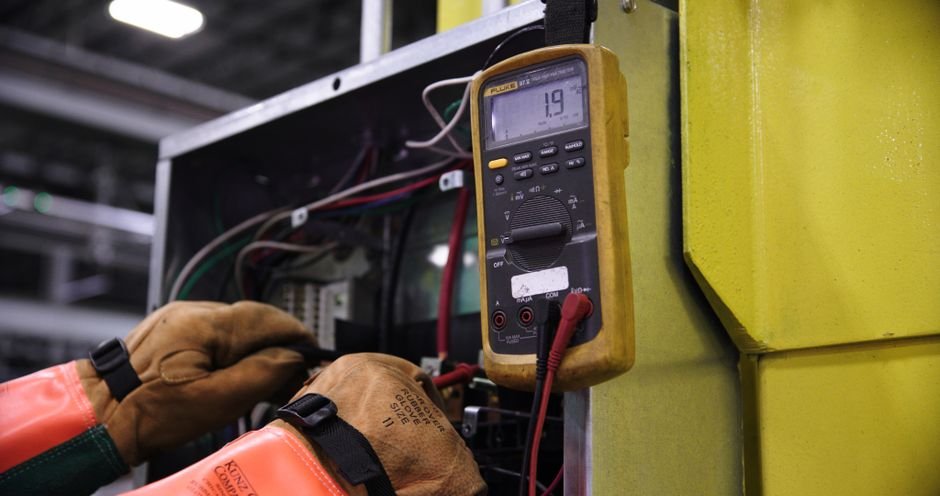
| Digital Multimeter (DMM) | ±0.5% of reading | Digital LCD | AC/DC voltage, continuity, resistance | Routine off-grid monitoring |
| Clamp Meter with Voltage | ±1% of reading | Backlit digital | Measures current (up to 400A), voltage, frequency | Checking load and voltage together |
| Plug-in AC Line Voltage Tester | ±2% of reading | 3-digit LED | Voltage and frequency (45–65 Hz) | Quick outlet checks |
How to test generator output voltage: Step-by-step guide
- Power up the generator and let it stabilize.
Start the generator and allow it to run for at least 2-3 minutes to reach a steady speed—output voltage can fluctuate during warm-up. - Select the correct voltage range on your meter.
Set your multimeter or clamp meter to the appropriate AC voltage range (typically 200V or higher for most off-grid generators). - Insert probes into the generator’s output.
For portable units, plug the probes into the AC outlets. For hardwired setups, carefully access the output terminals—but avoid exposed wires if you’re unsure. Never bypass safety covers or touch bare wires. - Read and record the voltage.
Observe the meter’s display. For North American generators, a healthy output is usually 115–125V AC; for 230V systems, look for 220–240V AC. Record the number for your logbook or future troubleshooting. - Test under load for real-world accuracy.
Plug in a typical appliance (like a toaster or heater) and measure again. Voltage should drop less than 5% under load. Big drops may signal an overloaded or failing generator.
What voltage numbers mean for off-grid users
For most off-grid homes and RVs, generator output should stay within ±5% of the nominal value—so, 114–126V for 120V systems, or 220–242V for 230V. Running outside this range risks damage to electronics and battery chargers. If you see readings consistently below 110V or above 127V (or outside 216–250V for 230V systems), it’s time to investigate further. Low voltage often points to overloaded generators, worn brushes, or voltage regulator issues. High voltage can indicate a faulty regulator or wiring error.
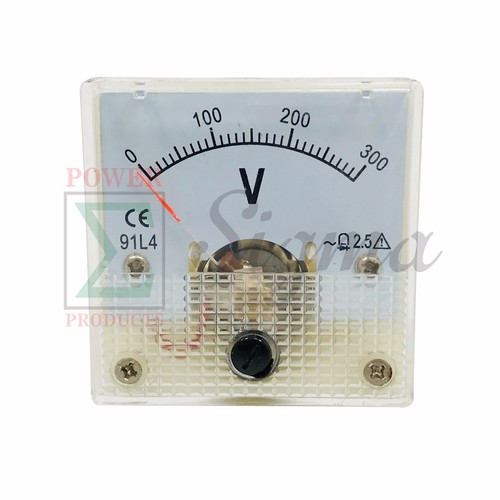
Some generators have a built-in voltmeter, but these are often inaccurate by a few volts. Always verify with a separate meter before plugging in sensitive gear. For more on safe voltage ranges and appliance protection, see resources from the Consumer Product Safety Commission.
Comparing voltage testers for generator use
Analog multimeters are cheap and tough, but they’re hard to read precisely—especially in low light. Digital multimeters offer better accuracy and are the best “all-arounder” for off-grid setups. Clamp meters add the ability to measure current draw, which is useful for troubleshooting overloaded circuits, but cost more. Plug-in voltage testers are fast and safe for checking outlets, but can’t test hardwired outputs or measure current.
For most off-grid users, a digital multimeter with a voltage range up to 600V and CAT III safety rating covers all bases. Models with a backlit screen and auto-ranging make life easier in dim generator sheds. See today’s deals on beginner-friendly DMMs with these specs.
Related Guides
- How to Test Generator Output Voltage: A Step-by-Step Guide
- How to Test Solar Panel Output: A Simple Step-by-Step Guide
- Our guide to Choosing the Best Solar Generator Kit for Home Backup Power
- Why Does Solar Panel Voltage Drop When You Connect a Load?
- How Often Should You Change Generator Oil?
- How to Buy a Solar Generator: A Practical Guide for Beginners
Total cost of ownership
Testing generator voltage isn’t just about buying a meter—there are ongoing and hidden costs to consider:
- Replacement probes and fuses: Expect to replace meter probes every 1–2 years ($10–$20), especially if used outdoors or dropped.
- Batteries for digital meters: Most DMMs use a 9V or AA battery, lasting 6–12 months with regular use. Budget $2–$5 per year.
- Calibration or accuracy checks: For critical setups, annual calibration ($20–$40) ensures readings stay reliable.
- Protective cases or covers: Dust and moisture can kill meters quickly in off-grid settings; a rugged case adds $10–$30.
- Replacement meter (wear/tear): Budget models may only last 2–3 years with regular generator use; better units last 5+ years.
Factoring these in helps avoid surprise costs and ensures you’re getting true value from your voltage testing gear. Compare options for rugged meters and accessories.
FAQs: Real-world generator voltage testing questions
How often should I check my generator’s output voltage?
Test output voltage at least once per month during heavy use, and always after servicing or moving the generator. For critical loads, check before every use. This catches issues like regulator drift or loose connections before they cause damage.
Digital multimeter vs plug-in tester — which is better for RV use?
Digital multimeters are more versatile, letting you test both outlets and hardwired connections. Plug-in testers are faster and safer for routine outlet checks, but can’t diagnose problems inside the generator or wiring. For RVers, having both covers more scenarios.
What voltage is too low for running appliances safely?
For 120V systems, avoid running sensitive electronics below 110V. For 230V setups, stay above 216V. Prolonged operation below these levels can cause overheating and premature failure, especially in fridges, microwaves, and battery chargers.
Can I use a clamp meter to check generator voltage?
Yes, if the clamp meter includes voltage measurement (not all do). Models with voltage and current readouts are handy for checking both output and load at the same time. Make sure your meter is rated for AC voltage up to at least 250V.
What is a CAT III safety rating and why does it matter?
Certain meters carry a CAT (category) rating that shows they’re safe for use on power circuits. For generator and household outlet testing, always use CAT III or higher. This protects you from surges and accidental faults. For more on electrical safety ratings, see the National Electrical Manufacturers Association.
What if my generator’s built-in voltmeter shows a different reading than my tester?
Built-in meters are often less accurate, sometimes off by 2–5 volts. Trust your external tester, especially if it’s recently calibrated. Large discrepancies may also mean internal wiring issues or a failing panel meter—get these checked by a qualified technician.
Is it safe to test voltage while the generator is running?
Yes, as long as you use an insulated meter and probes, and avoid touching bare wires or terminals. Never remove covers or bypass guards. For plug-in testers, wait for the generator to stabilize before inserting the device.
When to seek professional help
If your generator voltage is consistently out of range, fluctuates wildly, or you see signs of burnt wiring or tripped breakers, stop using the generator and call a qualified technician. Persistent voltage issues can signal failing regulators, alternator windings, or dangerous wiring faults that aren’t safe to tackle without proper training.
Choosing the right voltage testing tool, checking regularly, and understanding what the numbers mean can save you hundreds on appliances and repairs. For most off-grid users, a solid digital multimeter is the best starting point—view what’s available and invest in a model that matches your needs and environment.

Last updated: July 2026 · How we cover this topic