
8 min read
Disclosure: As an Amazon Associate and eBay Partner Network publisher, we earn from qualifying purchases. This doesn’t affect what we recommend or how we describe it.
For charging laptops, running a mini fridge, or keeping your phone alive off-grid, a portable power station and a power bank aren’t interchangeable. Power stations handle bigger jobs—think AC appliances and multi-day camping—while power banks shine for lightweight USB charging. Here’s how to choose the right tool, how much capacity you actually need, and which features matter to avoid buying the wrong gear.
Portable power station vs power bank: practical comparison table
| Category | Capacity (Wh/mAh) | Output Types | Weight | Price | Best For |
|---|---|---|---|---|---|
| Pocket-Size Power Bank | 10,000mAh (37Wh) | 2x USB-A | 0.4 lbs | $ | Phones, earbuds, ultralight travel |
| High-Capacity Power Bank | 26,800mAh (99Wh) | USB-C PD, 2x USB-A | 1.1 lbs | $$ | Tablets, laptops, multi-device charging |
| Mini Portable Power Station | 256Wh | AC (200W), USB-C PD, DC car port | 6 lbs | $$$ | CPAP, camera gear, small appliances |
| Full-Size Portable Power Station | 1200Wh | AC (1000W), USB-C PD, DC outputs | 27 lbs | $$$$ | Mini fridge, power tools, multi-day backup |
Which solves your off-grid charging problem?
Choosing between a power bank and a portable power station is about matching your power needs with portability. You’ll want a power bank for backpacking, air travel, or any situation where you only need to recharge phones and USB gadgets. Even the largest power banks top out under 100 watt-hours (Wh)—enough for 2-4 phone charges or a single laptop top-off. They’re pocketable and TSA-friendly.
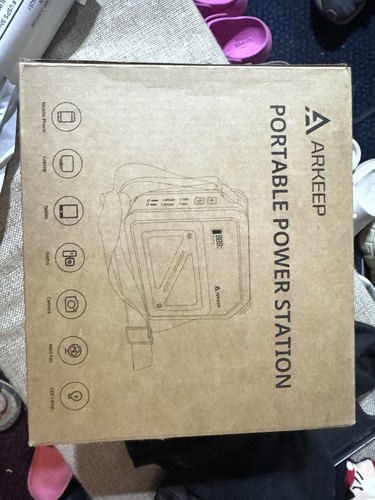
Portable power stations, by contrast, are small battery boxes (typically 250Wh–2000Wh) with AC outlets, DC ports, and USB charging. They’re designed for running appliances, recharging larger devices, or acting as backup power at home or in a van. Even the smallest “mini” stations are much heavier than a power bank, but they unlock whole new uses: powering a CPAP overnight, running a portable fridge, or charging drones and camera gear in the field.
Ask yourself: what’s the single largest device you need to run? If it’s anything with a wall plug, a power station is your only option. If it’s just phones and tablets, a power bank is lighter, cheaper, and simpler. Compare options.
Specifications that actually matter
Battery Capacity (Wh or mAh)
This figure tells you how much energy the unit stores. Power banks use milliamp-hours (mAh), but watt-hours (Wh) give a clearer picture across all devices. For example, a 10,000mAh power bank holds about 37Wh—enough for 2-3 phone charges. A 500Wh power station can run a 50W mini fridge for around 9 hours (500Wh ÷ 50W × 0.9 efficiency).
Output Power (Watts)
Check the maximum output of each port, especially AC outlets. A 100W USB-C PD port can charge most laptops at full speed. AC outputs are rated by continuous and surge (peak) watts. A 300W AC output can run a laptop or fan, but not a coffee maker or power tool. Know your device’s wattage before buying.
Recharge Time
Some power stations recharge from the wall in under 2 hours, while others take 8–10 hours. Solar input rates matter if you’re off-grid: look for at least 60W–100W solar input for small stations, 200W+ for larger ones. Faster recharge means less downtime.
Weight and Portability
Power banks under 1.5 lbs slip into a jacket pocket. Mini power stations (5–8 lbs) fit in a backpack, but anything over 20 lbs is more of a “portable generator”—car-camping or home backup only. Don’t underestimate the hassle of lugging a heavy battery.
Cycle Life and Battery Chemistry
LiFePO4 (lithium iron phosphate) batteries typically last 2,000+ cycles to 80% capacity, compared to 300–500 cycles for older lithium-ion packs. For frequent use or long-term backup, LiFePO4 is a safer bet, though it’s heavier and pricier up front. See today’s deals.
Where a power bank wins: compact, simple, and airline-friendly
Power banks are unbeatable for travel and everyday carry. Most are under the 100Wh (27,000mAh) limit set by TSA and international airlines, so you can toss one in your carry-on without worry. Their simplicity means fewer failure points—no fans, no complex inverters, and no need to worry about AC output ratings. Just plug in your USB cable and go.
If you only need to charge phones, headphones, or a tablet, a 10,000–20,000mAh bank is all you need. For a laptop, look for USB-C PD output of at least 45W—many power banks now offer 60W or even 100W, enough for ultrabooks and MacBooks. Some larger models even have built-in cables or wireless charging pads for extra convenience.
That said, power banks can’t run appliances or anything that plugs into a wall. They’re also not designed for high-drain loads—try powering a mini fridge or CPAP and they’ll shut down or overheat.
Where a portable power station is the right tool
Portable power stations open up a world of off-grid options. With 250–2000Wh of capacity and AC outlets, you can run a mini fridge, CPAP, lights, routers, or even some TVs during a blackout or camping trip. These units often support solar input, making them viable for multi-day use if you have a panel (look for 100W–200W solar compatibility for best results).
Look for an inverter with at least 300W continuous output for basic appliances. For power tools, small microwaves, or fridge compressors, you’ll need 700W–1500W. The tradeoff is weight and price: even a “mini” 250Wh station weighs 5–7 lbs, and high-capacity models can exceed 40 lbs. For vanlife, car camping, or emergency backup, though, nothing else delivers the same flexibility. Check current prices.
Battery chemistry matters here: LiFePO4 cells mean thousands of charge cycles and better safety, but older lithium-ion units are lighter and sometimes cheaper. Always check the rated cycle life if you plan to use the station weekly or for years.
Related Guides
- Our guide to How to Repair a Portable Power Station: A Step-by-Step Guide
- Our guide to Portable Battery Boxes for Off-Grid Power
- Top 5 Portable Solar Generators for Reliable Off-Grid Power
- Our guide to Are Portable Power Stations Worth It? What You Need to Know
- Portable Power Stations for Camping: Which Ones Are Worth It?
- Power Station vs Deep Cycle Battery: Which Off-Grid Power Option Wins?
- Browse all Portable Power Stations →
How to match capacity to your real needs
Start by adding up the watt-hours (Wh) you’ll actually use. For example, a phone uses about 10–15Wh per full charge, a laptop 40–60Wh, a mini fridge 200–400Wh per day, and a CPAP 30–60Wh per night (without humidifier). Multiply by the number of charges or hours you need between recharges.
If you just want to keep phones and a tablet alive for a weekend, a 20,000mAh (74Wh) power bank may be enough. For two nights of CPAP use, a 300Wh station is the minimum. Running a mini fridge for 24 hours? Budget at least 500Wh, and double it for cloudy weather or inefficiency. Always add 20–30% buffer above your calculated needs.
Keep in mind: most power stations and banks deliver about 85–90% of their rated capacity due to inverter and conversion losses. Don’t size your system too tight, or you’ll run out of juice before you expect.
Frequently asked questions about portable power stations vs power banks
How long does a 300Wh power station last running a CPAP?
On average, a 300Wh portable power station can power a typical CPAP machine (using 30–60W without a heated humidifier) for 4–8 hours. For overnight use with some buffer, aim for 400Wh or more, especially if you use a humidifier or higher pressure settings.
Can a power bank charge a laptop?
Yes, but only if it has USB-C Power Delivery (PD) output of at least 45W—ideally 60W or 100W for modern laptops. Standard USB-A ports won’t charge most laptops effectively. Always check your laptop’s charger wattage to match the bank’s output.
Portable power station vs power bank — which is better for car camping?
A portable power station is far more versatile for car camping. It lets you run lights, charge multiple devices, and power small appliances like fans or a mini fridge. Power banks are lighter and great for phones, but they can’t handle AC gear or bigger loads.
Are portable power stations safe to use indoors?
Yes, they’re battery-powered and produce no fumes—unlike gas generators. Always use them in a dry, ventilated space and avoid overloading the AC output. Stick to units with built-in protections (overload, short circuit, thermal cut-off) for extra peace of mind. For more on battery safety, see UL’s battery safety resources.
What warranty should I expect on a power station or power bank?
Most decent power banks offer 1 year, while many portable power stations now advertise 2–5 years—sometimes longer for LiFePO4 models. Check for clear warranty terms, especially for heavy use or off-grid living. Some brands also offer battery replacement programs for high-end units.
What’s the most common failure point for these devices?
For power banks, worn-out USB ports and batteries losing capacity after hundreds of cycles are typical. For power stations, inverter failure and fan issues lead the list, especially if loads exceed rated output. Always buy from a reputable source and avoid units with vague or missing specs.
Bottom line: don’t overbuy, but don’t underpower your setup
Power banks and portable power stations each have a clear role. Power banks are unbeatable for simple, lightweight USB charging on the go. Portable power stations are the only realistic choice for running AC appliances, backup power, or serious off-grid use. Choose based on your biggest device, multiply out your daily watt-hours, and don’t get seduced by marketing hype. The right tool keeps your gear running, your trip comfortable, and your budget in check. View what’s available and match your needs before you hit the road.
Last updated: July 2026 · About our research