
Disclosure: As an Amazon Associate, we earn from qualifying purchases. This doesn’t affect what we recommend or how we describe it.
8 min read
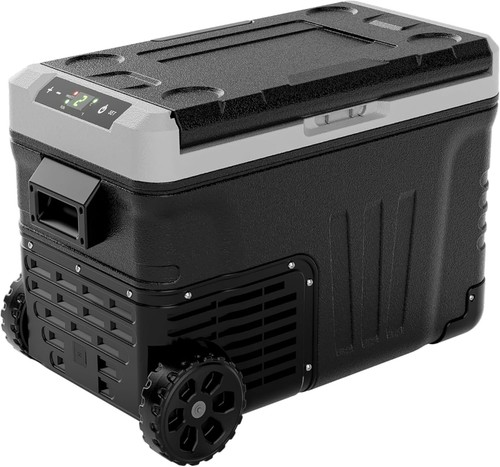
Running a reliable 12V refrigerator in your van is one of the most important off-grid upgrades you can make. The right fridge keeps your food safe and your drinks cold—without draining your batteries or forcing you to run your van engine just to avoid spoiled groceries. With dozens of models promising “low power draw” and “quiet operation,” it’s tough to know which ones actually deliver in real-world van life. The biggest challenge is finding a 12V fridge that balances energy efficiency, usable space, and durability—without blowing your entire build budget or forcing you to upsize your solar and battery bank. Here’s how to choose the best 12V refrigerator for van life, with real numbers and honest pros and cons from years of off-grid installs. For more detail, see DOE guide to efficient refrigerators.
12V Van Fridge Comparison: Performance, Power Draw, and Real-World Tradeoffs
| Fridge Description | Usable Capacity | Avg. Power Draw (Ah/24h at 77°F) | Compressor Type | Physical Size (L x W x H in inches) | Key Pros | Main Cons |
|---|---|---|---|---|---|---|
| Compact Top-Opening Chest (40L) | 40 liters | 18–22 Ah | Variable-speed | 25 x 14 x 18 | Lowest power use, holds tall bottles upright, stays cold longer when off | Awkward to access in tight spaces, heavy when full |
| Mid-Size Front-Opening Upright (50L) | 50 liters | 28–34 Ah | Single-speed | 21 x 19 x 22 | Easy shelf access, fits under van counters, good for meal prep | Higher power draw, loses cold air faster when opened |
| Dual-Zone Chest (55L, Fridge/Freezer) | 55 liters (35L fridge/20L freezer) | 32–40 Ah | Variable-speed | 28 x 18 x 20 | Fridge and freezer at once, efficient compressor, robust insulation | Bulky footprint, heavier, high startup amps |
| Ultra-Compact Drawer Style (20L) | 20 liters | 15–19 Ah | Single-speed | 17 x 12 x 11 | Fits smallest vans, slides under benches, silent | Limited storage, can’t hold large items, less efficient insulation |
Why 12V Compressor Fridges Beat Thermoelectric and Absorption Models
Thermoelectric fridges often use 40–60Ah per day or more, making them a poor fit for solar-powered van setups. Absorption (three-way) fridges can run on propane, but they’re inefficient on 12V and struggle to cool in hot weather. Compressor fridges, especially those using variable-speed compressors, consistently draw less than 1 amp per hour on average and cool reliably even in 100°F van interiors. For modern van builds, a true 12V compressor fridge is almost always the best investment. For more detail, see CPSC carbon monoxide safety guide.
How Much Fridge Do You Really Need? Sizing by Van Lifestyle
For weekend trips or solo travel, a 20–40L fridge is usually enough for a few days’ worth of food and drinks. Full-timers, couples, or anyone storing fresh produce or meal-prepping will appreciate a 45–60L unit. Dual-zone models (fridge and freezer) are ideal if you want to keep ice cream or freeze meat, but they do use more power and space. Measure your available install spot and remember to allow at least 2 inches of clearance for ventilation on compressor models.
Real-World Power Consumption: What to Expect and Why It Matters
Manufacturers’ “average power draw” numbers are often measured at 77°F ambient and moderate fridge settings. In a van parked in full sun, interior temps can easily hit 95°F or more. Expect actual daily consumption to rise by 20–40% in these conditions. For example, a 40L chest fridge that typically uses 20Ah per day may need 28Ah or more when it’s hot. This has a direct impact on your battery sizing: with a 100Ah LiFePO4 battery, you can expect about 3–4 days of fridge runtime before needing to recharge, assuming little else is running.
Compressor Quality and Longevity: What to Look For
The heart of any 12V fridge is its compressor. Variable-speed units (like those found in many premium chests and dual-zone models) adjust their cooling power to match demand, reducing noise and power use. Single-speed compressors are simpler but cycle on/off more often, which can be noisier and slightly less efficient. Look for a minimum compressor warranty of 2 years—ideally 3 years or more. Stainless steel hinges, reinforced corners, and removable baskets are all signs of a fridge built for van life, not just weekend camping.
Noise, Vibration, and Nighttime Operation
Most 12V compressor fridges produce 35–45 dB of noise—about as loud as a quiet library. In a small van, even this can be noticeable if you’re a light sleeper. Chest-style fridges are generally quieter, since their compressors run less often and don’t need to cool the entire cavity as quickly. Drawer and upright models may cycle more frequently, but quality insulation and variable-speed compressors keep the noise down. If you plan to sleep next to your fridge, check for a “night mode” or low-noise setting in the specs.
Physical Fit: Measuring for Your Van Build
Always check the full fridge dimensions, including handles and hinges. Chest fridges need space above for the lid to open—typically 10–12 inches of vertical clearance. Upright models can fit under counters, but need 2–3 inches at the back and sides for ventilation. Drawer-style fridges are perfect for slide-out galley builds, but have the smallest storage and can be tricky to vent properly. Don’t forget to factor in the weight: a 55L dual-zone chest can weigh 55–65 lbs empty, and over 90 lbs when loaded.
Temperature Control and Digital Readouts: Worth Paying For?
Basic 12V fridges often have a simple dial with a 1–5 range, while higher-end models offer digital temperature settings in 1°C increments. Digital controls let you set precise temps for dairy, meat, or frozen goods, and some even display real-time battery voltage. For most van lifers, a digital readout is a nice-to-have, not a must—unless you’re storing meds or need a true freezer (-18°C or 0°F). If you want to monitor your fridge remotely, look for models with Bluetooth or Wi-Fi app support (just be aware these features may draw a few extra amp-hours per day).
Common Power Connection Pitfalls: Cigarette Plugs vs. Hardwiring
Many 12V fridges come with a cigarette lighter plug, but these can loosen and cause voltage drop, leading to compressor shutdowns. If possible, use a locking Anderson connector or a dedicated fused line from your DC distribution panel. Always check that your fridge’s minimum voltage cutoff matches your battery chemistry (11.0–11.5V for AGM, 10.5V for LiFePO4). Avoid using cheap extension cords—voltage drop can cause nuisance shutoffs and reduced efficiency.
Check current pricesLooking for the current generation with manufacturer warranty intact? Amazon’s new stock is the safest bet.
Browse on Amazon →FAQs: Making Your 12V Van Fridge Work for Real Off-Grid Life
Can I run a 12V fridge directly from my van starter battery?
This is not recommended. Even a small 12V fridge can drain a starter battery overnight, especially if it’s older or in cold weather. Always power your fridge from a dedicated house (auxiliary) battery bank, ideally with solar charging to keep it topped up.
How much solar do I need to run a 12V fridge full-time?
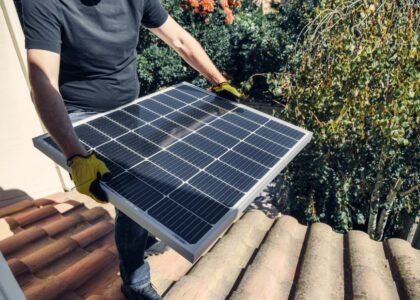
As a rule of thumb, budget at least 120–160W of solar for a fridge drawing 20–30Ah per day—more if you’re in cloudy climates or running other loads. For a dual-zone fridge/freezer, 200W or more ensures you can keep up even in summer heat. Sizing up your solar reduces stress on your batteries and keeps your fridge running reliably.
Is insulation around the fridge worth the effort?
Yes—adding an inch of rigid foam around the sides and top of your fridge can cut power draw by 10–20%, especially in hot vans. Just be sure not to block the compressor’s ventilation slots. An insulated fridge cover is a quick upgrade if you don’t want to build a box.
What’s the best way to secure a fridge in a moving van?
Use heavy-duty tie-down straps or brackets bolted to the van floor or cabinetry. Chest fridges often have built-in anchor points. Never rely on just friction or gravity—an unsecured fridge can become a dangerous projectile in a crash or hard stop.
Do I need a pure sine wave inverter for a 12V fridge?
No—true 12V compressor fridges run directly from DC and do not need an inverter. Only absorption fridges or residential AC fridges require an inverter, and those are rarely efficient for van use. Running a fridge from an inverter wastes energy and adds complexity.
Why does my 12V fridge shut off when my battery is still above 12V?
Most fridges have a low-voltage cutoff to protect your battery. If you’re seeing shutoffs, check for voltage drop on your wiring, a loose plug, or settings that are too conservative for your battery chemistry. Upgrading to thicker wire or a locking connector often solves this.
See today’s dealsWhat’s the best fridge type for stealth or urban van camping?
Drawer-style or compact chest fridges are the quietest and least conspicuous, making them ideal for city stealth camping. They draw less attention and can be hidden under a bench or inside a cabinet. Just make sure you have proper airflow to avoid overheating the compressor.
Compare optionsChoosing Your 12V Van Fridge: Key Takeaways for Off-Grid Success
Pick a compressor fridge with verified low power draw—18–35Ah per day covers most van needs. Size your fridge to your storage habits, not just your available space. Plan for real-world conditions: high temps, battery limits, and physical fit matter as much as the spec sheet. Build your DC system with secure connections and adequate wire size to avoid nuisance shutoffs. A little extra insulation and careful mounting pay off in both efficiency and safety. For most van dwellers, a chest-style 12V compressor fridge is the best balance of power savings and storage, but uprights and drawer styles have their place in tight or stealth builds. Take the time to compare specs, read real-world reviews, and measure twice before you buy—your food (and your batteries) will thank you.
Related Guides
- Our guide to Amp Hours vs Watt Hours: What’s the Real Difference?
- Portable Power Stations for Camping: Which Ones Are Worth It?
- Portable Generators vs Inverter Generators: What’s the Real Difference?
- Understanding 12V Solar Charge Controller Circuit Diagrams: What Matters Most
- Choosing the Best Solar Generator Kit for Home Backup Power
- The Best Battery Monitors, Reviewed for Reliable Off-Grid Power
- Browse all 12V Appliances →