Disclosure: As an Amazon Associate and eBay Partner Network publisher, we earn from qualifying purchases. This doesn’t affect what we recommend or how we describe it.
7 min read
Running out of phone power far from the grid is more than an inconvenience—it can mean losing your map, emergency contact, or camera right when you need it most. Whether you’re hiking, camping, living out of a van, or prepping for emergencies, a reliable solar-powered phone charger lets you keep your devices running without hunting for an outlet. But not all solar chargers are created equal: some barely top up a battery in full sun, while others can fast-charge multiple devices even on cloudy days. Here’s how to choose a solar phone charger that actually works in real-world off-grid conditions, without wasting money on overhyped gear. For more detail, see Wikipedia overview of solar chargers.
Comparing Four Real-World Solar Phone Chargers: Specs, Strengths, and Weaknesses
| Description | Panel Output (Watts) | Battery Capacity (mAh) | Ports & Max Output | Weight (lbs) | Best For | Pros | Cons |
|---|---|---|---|---|---|---|---|
| Foldable 21W solar panel with dual USB outputs, no internal battery | 21W | None | 2 x USB-A, 2.4A max each | 1.3 | Multi-day hikes, ultralight travel | Lightweight, fast charging in direct sun, no battery degradation | Needs sun while charging, can’t store power, slow in shade |
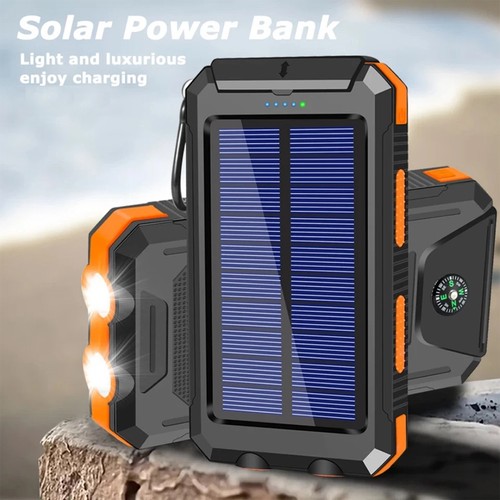
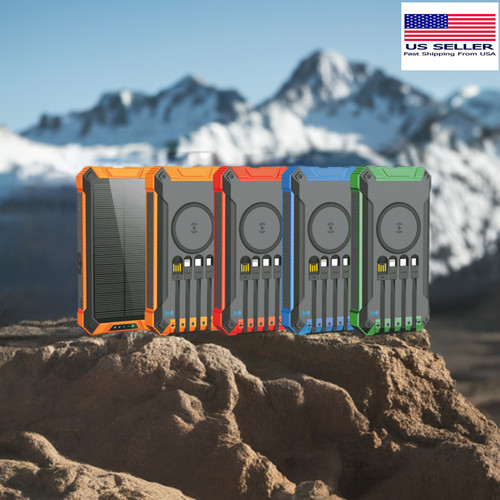
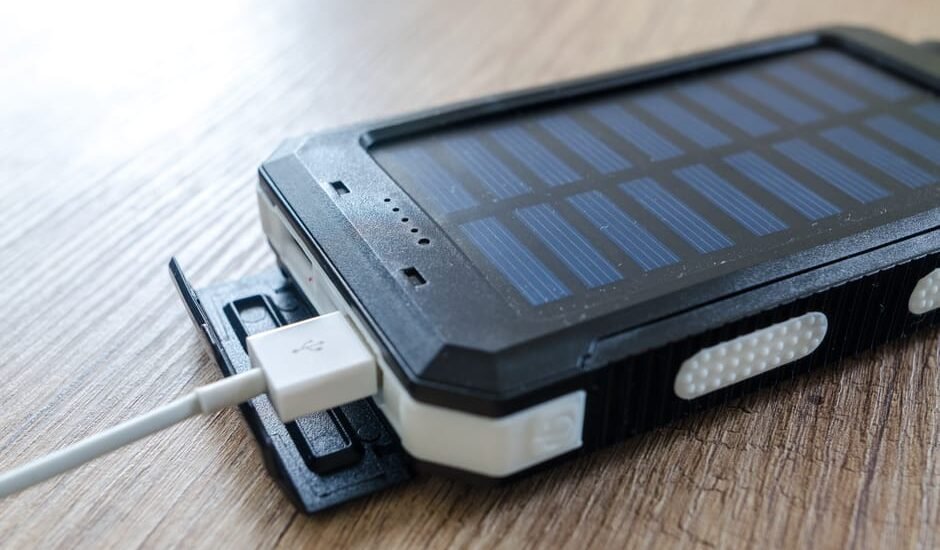
| 10,000mAh solar power bank with integrated 5W panel | 5W | 10,000 | 1 x USB-A, 1 x USB-C, 2.1A max | 0.6 | Day trips, backup for emergencies | Compact, stores charge for night use, charges two devices | Solar recharging is slow (2-3 days), best recharged via USB at home |
| 28W panel with 20,000mAh detachable battery pack, USB-C PD output | 28W | 20,000 | 2 x USB-A, 1 x USB-C PD (18W) | 2.1 | Car camping, groups, charging tablets | High output, battery stores 4+ phone charges, fast USB-C charging | Heavier, bulkier, pricier |
| Rugged 15W panel with 8,000mAh battery, weatherproof, built-in flashlight | 15W | 8,000 | 1 x USB-A, 2.1A max | 0.9 | Backpackers, rough conditions | Water-resistant, impact-resistant, usable in rain | Lower capacity, slower charging for large phones, single output only |
Shopping new with fast Prime shipping? Amazon usually has the best stock.
Shop on Amazon →What Solar Charger Type Actually Fits Your Off-Grid Routine?
Solar phone chargers come in two main types: panel-only (no battery) and solar power banks (panel with built-in battery). Each solves a different problem.
- Panel-only chargers are best for trips with plenty of daylight and constant movement. They’re light, can charge multiple devices in the sun, and never wear out from battery cycles. But they’re useless at night or in poor weather—no sun, no power.
- Solar power banks store energy for cloudy days and night use. You can charge your phone whenever you want, but the built-in solar panels are usually tiny—think 5W or less. Realistically, these are best recharged at home, with the solar panel as a slow emergency backup.
- Hybrid kits combine a foldable panel and a separate battery pack. These let you charge up a high-capacity bank in the sun (20,000mAh or more), then top off devices as needed. They’re heavier but practical for groups, base camps, or longer off-grid stays.
Sizing Your Solar Charger: How Much Power Do You Really Need?
Solar panel size and battery capacity make or break your off-grid charging setup. Here’s how to avoid underpowered gear:
- Panel output: For charging a typical smartphone in a single sunny afternoon, look for at least 15-21W of panel rating. Expect real-world output to be 60-70% of the rated number, especially if the panel isn’t angled perfectly at the sun.
- Battery capacity: Most smartphones have batteries between 3,000 and 5,000mAh. To fully recharge a phone 2-3 times, aim for at least 10,000mAh. For two people or tablet charging, 20,000mAh is a safer bet.
- Charging speed: USB-A ports usually max out at 2.1-2.4A (about 10-12W). For fast charging, look for a USB-C PD port rated at 18W or higher. This can refill a phone in 1-1.5 hours if the battery and cable support it.
Weight and Portability: What Can You Realistically Carry?
Weight adds up fast, especially for backpackers or bikepackers. A panel-only charger can weigh as little as 1 lb, while a panel plus high-capacity battery can hit 2 lbs or more. For day hikes, a compact power bank is enough. For multi-day trips, balance output and weight: a 20,000mAh battery with a 20-28W panel is about as much as most people want to carry. Rugged models with weatherproofing add a few ounces but pay off in reliability.
Related Guides
Weather and Durability: How Much Abuse Can It Take?
Cheap solar chargers often fail after a few trips. Look for ratings and features that match your conditions:
- Water resistance: An IPX4 rating means splash-proof. For real weather protection, look for IPX6 or better (can handle rain, not submersion).
- Impact resistance: Reinforced corners, rubber bumpers, and covered ports help prevent damage from drops or rough handling.
- Temperature range: Lithium batteries perform best between 32°F and 104°F (0–40°C). Below freezing, battery output drops fast. If you’re in cold climates, keep the charger inside your pack or jacket.
Real-World Charging Tips for Off-Grid Success
Even the best solar phone charger won’t deliver its rated output all the time. Here’s how to get the most from your gear:
- Unfold and orient panels directly at the sun. Even a 10-degree angle off can cut output by 20% or more.
- Keep panels clean—dust and sweat block sunlight.
- Don’t charge devices inside a closed backpack or tent; heat buildup can damage both the charger and your phone.
- Charge a battery bank during the day, then top up your phone at night to avoid interrupted charging from passing clouds.
- Bring a short USB cable for less voltage drop and easier cable management.
Shopping new with fast Prime shipping? Amazon usually has the best stock.
Compare Options on Amazon →FAQs: Solar Phone Chargers for Beginners and Off-Grid Use
How long does it take to fully charge a phone using a solar charger?
With a 21W panel in full sun, most phones charge in 2-4 hours. With a 5W solar power bank, a full charge can take 8-12 hours of direct sun—sometimes several days in poor weather. Charging is always slower than wall power, so plan ahead.
Can I charge my phone and the power bank at the same time?
Some hybrid setups let you “pass-through” charge (panel charges battery and phone simultaneously). Check the specs: not all models support this, and charging speed may be reduced when both are plugged in.
Will a solar phone charger work through a window or in cloudy weather?
Solar panels work best in direct sunlight. Through glass or in overcast conditions, output drops by 50-80%. You’ll get a trickle charge at best. For indoor charging, stick with USB power.
How many times can I recharge my phone with a 10,000mAh power bank?
Most modern phones have 3,000-5,000mAh batteries. Accounting for conversion losses (about 20%), a 10,000mAh bank delivers 2 full charges for a large phone, or 3 charges for a smaller device.
Are solar phone chargers safe for all devices?
As long as the output matches your device’s charging requirements (usually 5V, 2A for phones), it’s safe. Avoid plugging expensive electronics into panels during unstable sunlight (passing clouds can cause voltage spikes). For sensitive devices, charge a power bank first, then your device.
What’s the best way to attach a solar panel to my backpack?
Most foldable panels have grommets or loops for carabiners. Attach them so the panel faces the sun as you walk, but avoid blocking airflow (which can cause overheating). Secure cables to prevent snagging on branches or gear.
When to Spend More—And When Budget Solar Will Do
High-output, rugged solar chargers cost more, but pay off for regular off-grid use or group trips. For the occasional day hike or emergency backup, a small power bank with a built-in panel is enough. Don’t overspend on features you won’t use: prioritize wattage, battery size, and real-world durability over gimmicks like built-in compasses or wireless charging. Always check return policies and real user reviews before buying.
Ready to find a solar phone charger that matches your off-grid lifestyle? Check current prices and make sure your next adventure never ends with a dead phone.