8 min read
Disclosure: As an Amazon Associate and eBay Partner Network publisher, we earn from qualifying purchases. This doesn’t affect what we recommend or how we describe it.
Choosing between a solar generator and a gas generator comes down to a few clear trade-offs: noise, runtime, portability, fuel dependency, and what you actually need to power. The latest solar generators now rival gas units on capacity for home backup and RV use, but gas still wins on raw output per dollar—if you’re willing to deal with noise, fumes, and maintenance. This guide compares six real-world options, including the most popular models for home backup, portable use, and high-capacity needs, so you can confidently match your next generator to your actual off-grid priorities.
Top picks at a glance
- Super Quiet 1600W Inverter Gas Generator — the most affordable gas generator option
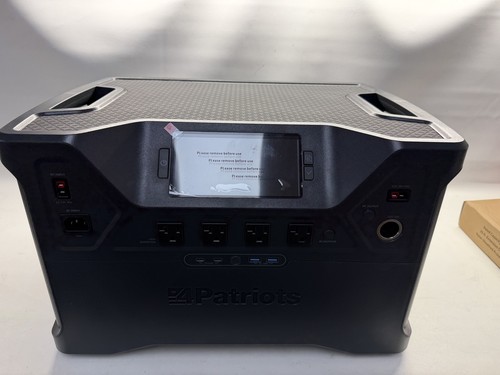
- 4Patriots 1800W Portable Power Generator — the most popular solar generator for home backup
- Andes 1500 Solar Generator 1462Wh 2400W (3600W Peak) — the high-capacity solar generator for heavy loads
- Natures Generator 3840Wh Solar Generator with 50A Auto Transfer Switch — the largest solar generator for whole-home backup
Solar vs Gas Generators: How These Real-World Models Stack Up
| Product | Condition | Price | Best For | Capacity / Output | Portability |
|---|---|---|---|---|---|
 Super Quiet 1600W Inverter Gas Generator Super Quiet 1600W Inverter Gas Generator |
New | $ | Most affordable gas generator option | 1600W continuous (inverter) | Portable (gas-powered) |
 4Patriots 1800W Portable Power Generator 4Patriots 1800W Portable Power Generator |
New | $$ | Most popular solar generator for home backup | 1800W output, solar/battery | Portable (solar, no fumes) |
 Andes 1500 Solar Generator 1462Wh 2400W (3600W Peak) Andes 1500 Solar Generator 1462Wh 2400W (3600W Peak) |
New | $$$ | High-capacity solar for heavy loads | 1462Wh, 2400W (3600W peak) | Medium (solar, heavy-duty) |
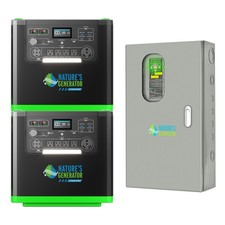 Natures Generator 3840Wh Solar Generator with 50A Auto Transfer Switch Natures Generator 3840Wh Solar Generator with 50A Auto Transfer Switch |
New | $$$ | Largest solar for whole-home backup | 3840Wh, 50A transfer switch | Stationary (solar, large) |
 Portable Power Station 3096Wh with Extra Battery, 1500W (3000W Peak) LFP Battery Portable Power Station 3096Wh with Extra Battery, 1500W (3000W Peak) LFP Battery |
New | $$ | Expandable solar for long runtimes | 3096Wh, 1500W (3000W peak) | Portable (modular, solar) |
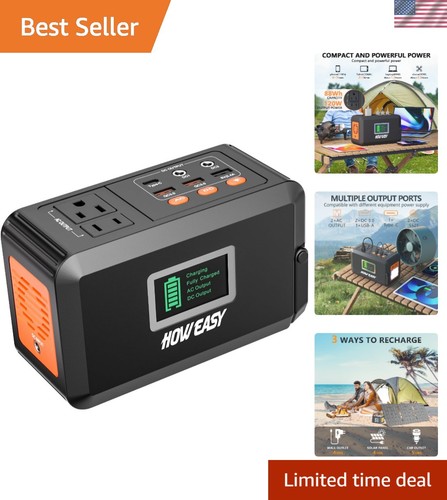
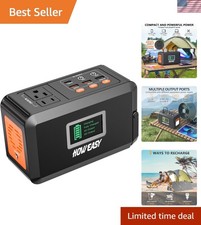 Compact 120W Solar Generator Compact 120W Solar Generator |
New | $ | Most portable solar generator | 120W output, compact battery | Ultra-portable (solar, handheld) |
Pricing context: $, $$, and $$$ are relative ratings against the other products listed above, not absolute dollar ranges. Live current prices follow below.
How to Choose: Key Factors That Actually Matter
The right choice depends on what you need to run, for how long, and where you plan to use your generator. Here’s how the real-world differences between these solar and gas models play out:
Noise, Emissions, and Where You Can Use It
The Super Quiet 1600W inverter lives up to its name compared to old-school open-frame gas generators, but it still produces engine noise and exhaust. This limits indoor use and can disturb neighbors on campgrounds or in tight off-grid communities. All the solar models—like the 4Patriots 1800W and Andes 1500—run silent and emission-free. This makes them ideal for apartments, RVs, or backup power in a bedroom or basement, where a gas generator simply isn’t practical or allowed.
Power Output and Running Heavy Loads
Gas still offers the most watts per dollar at the entry level: the Super Quiet 1600W inverter provides up to 1600W continuous power, which covers a fridge, lights, or most power tools. On the solar side, the 4Patriots 1800W matches or slightly exceeds that output, but the Andes 1500 steps up to 2400W continuous (3600W peak), enough for well pumps, microwaves, or simultaneous loads. If you need to run a whole home, the Natures Generator 3840Wh includes a 50A transfer switch—unique among these options—making it the only plug-and-play solar pick for large subpanels or multiple circuits.
Runtime and Refueling: Solar vs Gas Realities
Gas generators like the Super Quiet 1600W inverter run as long as you have fuel. For extended outages, you’ll need to store several gallons of gasoline (and treat it with stabilizer). Solar generators are limited by battery size and how much sun you get. The Portable Power Station 3096Wh stands out with its extra battery, offering up to 3096Wh—enough for a full day of fridge and lights or 30+ phone charges. The Natures Generator 3840Wh offers even more capacity, but it’s larger and less portable. For short bursts or camping, the Compact 120W covers phones and laptops but won’t run appliances.
Related Guides
- How to Tilt Solar Panels for Maximum Sunlight: A Practical Guide
- The Best Motorized Solar Panel Tilt Mounts for Easy Solar Tracking
- Solar Powered Phone Chargers That Actually Work: A Practical Buyer’s Guide
- How to Use a Solar Charge Controller: Step-by-Step Instructions
- A No-Nonsense Guide to Solar Panel Mounting Brackets That Last
- How to Choose the Right Solar Charge Controller for Lithium Batteries
- Browse all Off Grid Generators →
- Gas vs Propane Generators: Which Fuel Is Better for Off-Grid Power?
Portability: What Does “Portable” Really Mean?
The Compact 120W is truly handheld—ideal for backpacking, tent camping, or keeping in a vehicle for emergencies. The Super Quiet 1600W inverter is portable by generator standards (usually under 50 lbs), but you still have to deal with gasoline and oil. The 4Patriots 1800W and Portable Power Station 3096Wh are luggable but heavy—think moving them short distances or in and out of an RV, not carrying them up a mountain. The Natures Generator 3840Wh is best left stationary, as its size and the built-in transfer switch are designed for home backup, not mobility.
Maintenance and Reliability
Gas generators require regular oil changes, spark plug checks, and fuel stabilizer if stored for months. The Super Quiet 1600W inverter is simpler than older open-frame models, but still needs routine care. Solar generators like the 4Patriots 1800W and Portable Power Station 3096Wh require almost no maintenance beyond keeping the batteries charged and occasionally dusting the solar panels. Lithium iron phosphate (LFP) batteries, as in the Portable Power Station 3096Wh, are rated for 2,000+ cycles—translating to years of regular use without significant capacity loss.
Who Should Choose a Gas Generator?
Pick a gas generator if you need the lowest upfront price for wattage, don’t mind noise and fumes, and want indefinite runtime with enough stored fuel. The Super Quiet 1600W inverter is the budget leader for running fridges, sump pumps, or power tools during short outages and jobsites. For longer-term, frequent use—especially indoors, in RVs, or for sensitive electronics—solar generators are safer, quieter, and increasingly cost-competitive.
Who Should Choose a Solar Generator?
Solar generators shine for anyone who values quiet, clean operation, plug-and-play setup, and minimal maintenance. The 4Patriots 1800W is the all-arounder for typical home backup needs, supporting refrigerators, lights, and CPAPs without venting or fuel. The Andes 1500 is the premium pick for heavier appliances or power tools, while the Portable Power Station 3096Wh is the most flexible for long runtimes or expandable setups. For whole-home coverage, the Natures Generator 3840Wh is the only solar model here with a true 50A transfer switch—meaning you can power multiple circuits or a subpanel directly, not just a few outlets.
FAQ: Solar Generators vs Gas Generators
Can a solar generator power my entire house?
Most solar generators can handle only a few appliances at a time. However, the Natures Generator 3840Wh is designed for whole-home backup with its 50A transfer switch and large battery, making it a practical option for running multiple circuits or critical loads in a typical house during an outage.
How long will a solar generator run my fridge?
Runtime depends on your fridge’s wattage and the generator’s battery size. For example, a 100W fridge running 24 hours would use about 2.4kWh. The Portable Power Station 3096Wh (3.1kWh) could run it for more than a day per charge, while smaller units like the 4Patriots 1800W will last less—check your fridge’s actual usage for a precise estimate.
Are gas generators safe to use indoors?
No—gas generators like the Super Quiet 1600W inverter produce carbon monoxide and should only be used outdoors, far from windows or vents. Solar generators are safe for indoor use since they produce no fumes or exhaust.
Can I expand my solar generator’s battery for longer runtime?
Some solar generators, such as the Portable Power Station 3096Wh, come with extra battery options or can be expanded with compatible battery modules. This allows you to double or triple your available runtime compared to fixed-capacity models.
Which is better for camping: solar or gas?
If you need to run high-draw devices like electric griddles or power tools, a gas generator offers more raw output. For most campers, the Compact 120W or 4Patriots 1800W solar generators are quieter, lighter, and safer for charging phones, running lights, and keeping small appliances going—all without disturbing wildlife or neighbors.
What’s the real difference in maintenance?
Gas generators require regular oil changes, fuel stabilizer, and periodic running to avoid carburetor issues. Solar generators mainly need you to keep the batteries charged and periodically check connections. Lithium iron phosphate batteries (like in the Portable Power Station 3096Wh) last far longer with less degradation than older lead-acid or standard lithium batteries.
Bottom Line: Solar or Gas for Your Off-Grid Needs?
If you want the lowest-cost, plug-in-and-go backup for tools or outages, the Super Quiet 1600W inverter is hard to beat. For safe, silent, and maintenance-free power—especially indoors or for sensitive electronics—solar generators like the 4Patriots 1800W and Portable Power Station 3096Wh are the strongest match. For whole-home loads, the Natures Generator 3840Wh is the only all-in-one solar option with a true transfer switch. Weigh your capacity needs, runtime, and where you’ll use your generator, and you’ll land on the right side of the solar vs gas debate for your off-grid setup.
Last updated: May 2026 · About our research