
8 min read
Disclosure: As an Amazon Associate and eBay Partner Network publisher, we earn from qualifying purchases. This doesn’t affect what we recommend or how we describe it.
Weekend cabin owners, full-time van dwellers, and rural homesteaders all face the same crossroads: picking batteries that won’t leave you in the dark. Gel batteries and lithium batteries both claim reliability for off-grid life, but the differences matter—especially when your fridge, lights, and work-from-anywhere setup depend on the right call. Whether you’re sizing a fresh system, replacing old lead-acids, or just trying to stretch your dollars without sacrificing peace of mind, understanding these options is key.
Spot the difference between real-world gel and lithium battery setups
| Configuration | Usable Capacity (kWh) | Weight (kg) | Cycle Life (80% DOD) | Maintenance | Price |
|---|---|---|---|---|---|
| Basic Gel Bank (4x 100Ah 12V in parallel) | ~2.4 | ~120 | ~800 | Check water every 6-12 months | $ |
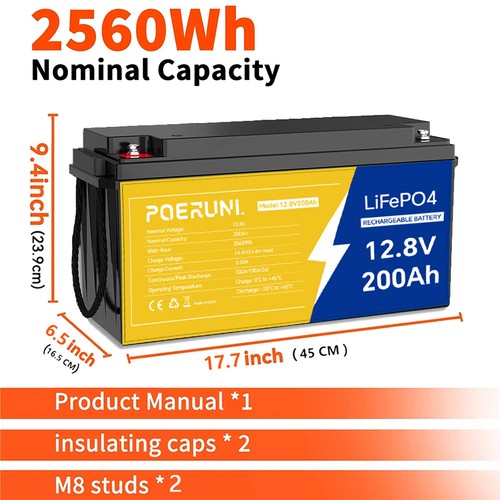
| Mid-size Lithium (LiFePO4 200Ah 12V drop-in) | ~2.4 | ~27 | 3000+ | No regular maintenance | $$$ |
| High-capacity Gel (8x 200Ah 6V in series/parallel) | ~7.7 | ~340 | ~1000 | Check water quarterly | $$ |
| Modular Lithium Bank (2x 300Ah 12V LiFePO4) | ~7.2 | ~54 | 3500+ | No regular maintenance | $$$$ |
Choose the right battery for your off-grid lifestyle
Cabin owners who visit a few times a year often lean toward gel batteries. Gel can sit for months with little self-discharge, handles cold better than standard AGMs, and is forgiving if you can’t babysit your system. But they’re heavy, can’t be pushed below about 50% depth-of-discharge without shortening life, and replacement costs add up if you cycle them deep and often.
Lithium batteries—especially LiFePO4 types—shine for daily use and mobile setups. They’re light enough for a van, can be drained 80-90% without harm, and last for years even with daily cycling. The sticker shock is real, but the cost per cycle drops fast if you’re running a fridge, lights, and laptop every day. Downsides? They need a battery management system (BMS), can’t be charged below freezing, and may require a compatible charger.
Total cost of ownership
Sticker price barely scratches the surface with batteries. Here are the real ongoing and hidden costs you need to budget for:
- Replacement interval: Gel batteries typically need replacing every 3–5 years if cycled regularly; lithium can last 8–12 years or more with proper care.
- Battery cables and hardware: Large gel banks need more interconnect cables, fuses, and heavy-duty racks. Expect $100–$300 in extra parts for a multi-battery gel setup.
- Charger/Controller upgrades: Lithium systems often require a charger or solar controller with a lithium profile. Upgrading can run $100–$400 depending on your system size.
- Temperature management: If you live in a cold climate, lithium batteries may need a heating pad or insulated box. These add $50–$150 per battery.
- Annual maintenance: Gel batteries require periodic terminal cleaning and voltage checks. Budget a few hours a year, or $50–$100 if hiring local help.
Factor these costs into your budget, not just the upfront battery price.
Know when gel batteries make sense—and when they don’t
Gel batteries are a type of sealed lead-acid battery, similar to AGM but with a silica-gelled electrolyte. They’re spill-proof, tolerate deep discharge better than flooded lead-acid, and handle high temperatures well. For backup-only cabin systems, infrequent use, or budget builds where weight isn’t a concern, gel can be a practical choice.
However, gel batteries are heavy—four 100Ah 12V units tip the scales at over 250 pounds. They can’t be recharged as quickly as lithium, which matters if you rely on solar and have limited winter sun. And while they’re more forgiving than flooded lead-acids, overcharging or charging too fast can permanently damage them.
Gel batteries are also sensitive to charging voltage. Many cheap car battery chargers will ruin them. For best results, use a programmable charger or solar controller that stays within the recommended 14.1–14.3V absorption range for 12V gels.
Why lithium batteries are changing the off-grid game
Lithium iron phosphate (LiFePO4) batteries have become the gold standard for off-grid and mobile power. They weigh about a quarter of a comparable gel bank, so you can carry more usable energy without overloading your van or trailer. Most LiFePO4 batteries can be discharged down to 10–20% state of charge without damaging life span, giving you almost double the usable energy from the same rated capacity.
Cycle life is where lithium wins big. A well-made LiFePO4 battery can handle 3,000–5,000 full cycles at 80% depth-of-discharge, compared to 800–1,000 for gel. That means, in a daily-use system, lithium batteries can last a decade or more. Lithium also charges much faster—often at a rate of 0.5C to 1C (e.g., a 100Ah battery can safely accept 50–100A charge current), so you can refill from solar or generator quickly.
The main drawbacks: They cost more up front, can’t be charged below 0°C (32°F) unless equipped with a heater, and require a battery management system (BMS) for safety and longevity. Most modern lithium batteries include a built-in BMS, but always check before buying.
Related Guides
- Lithium Batteries for RVs, Reviewed
- How to Choose the Right Solar Charge Controller for Lithium Batteries
- How to Store Lithium Batteries Long Term: Tips for Maximum Lifespan
- How to Winterize Lithium Batteries: A Step-by-Step Guide
- Our guide to Gel Batteries vs Lithium Batteries: Which Is Better for Off-Grid Power?
- Our guide to Lithium Iron Phosphate vs AGM Batteries: Which Is Right for Off-Grid Use?
How to size your battery bank for real-world off-grid use
Start by calculating your daily energy use in watt-hours (Wh) or kilowatt-hours (kWh). Add up appliances, lighting, device charging, and any “phantom loads” (devices that draw power even when off, like propane detectors or inverter standby). For example, a mini fridge (400Wh/day), LED lights (100Wh), and a laptop (200Wh) add up to 700Wh/day.
With gel batteries, only 50% of the rated capacity is usable if you want decent life. So a 200Ah 12V gel bank (2.4kWh total) provides about 1.2kWh usable. With lithium, you can safely use 80–90%—so a 100Ah 12V LiFePO4 (1.2kWh) delivers around 1kWh usable. Always size for at least 1–2 days of autonomy unless you have a backup generator or daily sun is guaranteed.
Don’t forget temperature derating: gel batteries lose capacity in cold weather, while lithium batteries can’t be charged below freezing unless heated. Plan for your worst-case climate, not just summer weekends.
FAQs about gel batteries vs lithium batteries for off-grid power
How long will a typical gel battery bank last in daily off-grid use?
With regular 50% discharges, most gel batteries last about 800–1,000 cycles—that’s 2–3 years of daily use before capacity drops below 80% of original. Occasional use (like a weekend cabin) can stretch gel life to 5–7 years, but frequent deep cycles shorten it fast.
Lithium vs gel: which is better for a full-time van or RV?
Lithium wins hands-down for mobile, daily-use systems. It’s much lighter—saving 100+ kg in a typical setup—and gives you more usable energy from the same bank size. You’ll pay more up front, but the longer lifespan, faster charging, and maintenance-free operation are worth it for full-timers.
Can I use my existing lead-acid charger or solar controller with lithium batteries?
Not always. Many older chargers and controllers lack a lithium charging profile, which can cause undercharging or overvoltage. Modern LiFePO4 batteries with built-in BMS are more tolerant, but for best results (and warranty coverage), use a charger or controller with a dedicated lithium setting.
What happens if I charge lithium batteries below freezing?
Charging LiFePO4 batteries below 0°C (32°F) can cause permanent capacity loss or internal damage. Some batteries include self-heating, but most require you to prevent charging in freezing temps. Discharging is less risky, but always read your battery’s spec sheet for safe temperature ranges.
How do warranties compare between gel and lithium batteries?
Gel batteries typically come with 1–3 year warranties, while quality lithium batteries often offer 5–10 years. Warranty coverage may require following specific charging and installation guidelines—always check the fine print and register your battery if required.
Are there recycling or disposal issues I should know about?
Both gel and lithium batteries require proper recycling at end-of-life. Lead-acid (including gel) are widely recycled in most regions. Lithium battery recycling is improving, but not as universal—check with local waste authorities before disposal. For up-to-date recycling info, the EPA offers consumer guidelines.
How do I know if my off-grid system is compatible with lithium batteries?
Check that your inverter, solar controller, and any battery monitor can handle lithium’s different voltage ranges and charging profiles. Some older inverters or controllers may need a firmware update or replacement. If in doubt, consult your gear’s manual or ask the manufacturer directly.
What’s the bottom line?
Gel batteries still serve budget builds and infrequent-use cabins well, especially where weight isn’t a problem. For daily-use, mobile, or high-performance off-grid systems, lithium batteries pay for themselves over time with longer life, more usable energy, and minimal hassle. Whichever route you take, size your bank for real loads, invest in proper charging gear, and factor in all ownership costs—not just the sticker price.
For more technical standards and guidance, see the National Fire Protection Association, which sets safety codes for battery installations.



Last updated: July 2026 · About our research