7 min read
Disclosure: As an Amazon Associate and eBay Partner Network publisher, we earn from qualifying purchases. This doesn’t affect what we recommend or how we describe it.
The most important difference between lead acid and gel batteries is the way they handle deep discharges and vibration. Gel batteries like the Mighty Max YTX16-BS offer superior resistance to vibration and better recovery from deep cycling, but cost significantly more than standard AGM lead acid options such as the VMAX V10-63. Choosing between them comes down to your budget, your usage patterns, and whether you need maximum durability in tough conditions. This guide breaks down the real trade-offs, compares two of the most popular models, and helps you pick the right battery for your off-grid, RV, or backup power needs.
Top picks at a glance
- VMAX V10-63 12V SLA AGM Battery — the best-known AGM lead acid option
- Mighty Max YTX16-BS GEL Battery — the most popular gel battery pick
Spot the difference between AGM and gel batteries
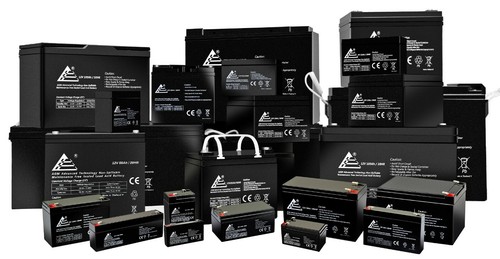
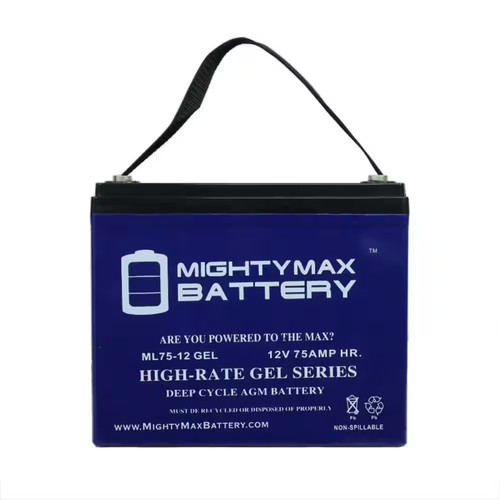
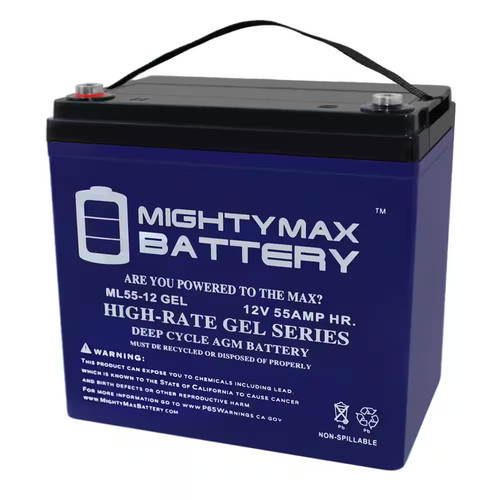
Both AGM (Absorbed Glass Mat) and gel batteries are sealed lead acid designs, but the internal chemistry and structure set them apart. AGM batteries, like the VMAX V10-63 12V SLA AGM Battery, use fiberglass mats to hold the electrolyte, making them spill-proof and maintenance-free. Gel batteries, such as the Mighty Max YTX16-BS GEL Battery, suspend the electrolyte in a silica gel, which provides even greater resistance to shock and a slower self-discharge rate.
In practical use, AGM batteries tend to offer higher surge currents and are the budget-friendly choice for most standard applications. Gel batteries cost more but excel where vibration, deep cycling, or mounting flexibility are priorities. Let’s see how these differences play out with two of the most widely-chosen products on the market.
Compare the top lead acid and gel batteries head-to-head
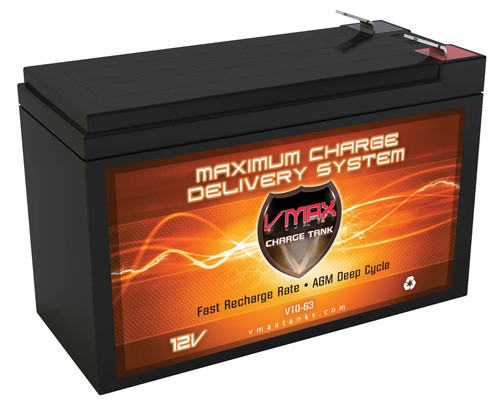
Pictured: VMAX V10-63
| Product | Condition | Price | Best For | Battery Type | Notable Feature |
|---|---|---|---|---|---|
| VMAX V10-63 12V SLA AGM Battery |
New | $ | Budget AGM lead acid | AGM | Spill-proof, low-maintenance |
 Mighty Max YTX16-BS GEL Battery Mighty Max YTX16-BS GEL Battery |
New | $$$ | Premium gel battery | Gel | Deep-cycle, vibration resistant |
Pricing key: $ marks the budget tier, $$ the mid-range, $$$ the premium picks. Tiers are relative to the products in this comparison; actual prices update live below.
Related Guides
- The Best Lithium Batteries for RVs, Reviewed
- How to Choose the Right Solar Charge Controller for Lithium Batteries
- How to Store Lithium Batteries Long Term: Tips for Maximum Lifespan
- How to Winterize Lithium Batteries: A Step-by-Step Guide
- Are There Any Portable Heaters That Run on Batteries?
- The Highest Capacity Lithium-Ion Batteries for Off-Grid Power Systems
- Browse all Deep Cycle Batteries →
Choose the right battery for your setup
If you’re powering standard RV systems, small solar banks, or backup UPS units, the VMAX V10-63 makes sense for most buyers. It’s the go-to AGM pick for basic off-grid use, offering reliable performance at a lower price. Its spill-proof design and maintenance-free operation suit stationary setups and moderate cycling.
If your system faces frequent jostling—think van conversions, boats, or rough-road travel—or if you routinely run batteries deep before recharging, the Mighty Max YTX16-BS is a smarter investment. Its gel construction shrugs off vibration and tolerates deeper discharge before performance drops, which can mean a longer usable lifespan if you push batteries hard. The trade-off: you pay a premium for that extra resilience, and you’ll need a charger compatible with gel chemistry (AGM and gel batteries have different charging voltage needs).
How we selected these batteries
We focused on sealed lead acid batteries that are widely used in off-grid, RV, and backup power setups, with a clear distinction between standard AGM and true gel designs. Key criteria included battery chemistry, build quality signals (like vibration resistance and spill-proofing), suitability for deep cycling, and price positioning. We compared the manufacturer-stated specs and positioning for each product, only considering options with a strong reputation in their category and clear use-case fit.
We excluded unbranded batteries with unclear specs, as well as bundles that obscure the actual battery type. This guide is for buyers who need a straightforward, reliable 12V battery for typical off-grid, RV, or backup uses. If you need a lithium battery, ultra-high capacity bank, or specialty format, you’ll want to look elsewhere—these are for classic lead acid and gel use-cases.
Specifications that actually matter
Battery Chemistry
AGM and gel are both sealed lead acid, but the internal structure changes performance. AGM (like the VMAX V10-63) favors higher power output and lower price, while gel (like the Mighty Max YTX16-BS) offers better vibration resistance and deeper discharge tolerance. Always check that your charger matches the chemistry—using the wrong charging profile can shorten battery life.
Deep Cycle Tolerance
This spec describes how far you can drain the battery before recharging without causing permanent damage. Gel batteries typically allow for deeper discharge (down to 50% or more) compared to many AGMs, which are happiest when kept above 50% state-of-charge. This matters if your system regularly runs low before a recharge.
Vibration Resistance
Look for batteries advertised as vibration-resistant if your application is mobile or subject to shocks. Gel batteries are naturally superior here, making them ideal for boats, vans, and off-road rigs. AGMs are still solid for stationary setups but aren’t as robust against persistent jostling.
Self-Discharge Rate
This is a measure of how quickly a battery loses charge when sitting unused. Gel batteries generally self-discharge more slowly than AGMs—some lose as little as 1-3% per month, which is useful for seasonal equipment or backup power that sits idle for long stretches.
Charging Voltage Range
AGM and gel batteries require different charging voltages. Gel batteries are more sensitive to overcharging and need chargers specifically set to their lower voltage range (often 13.8–14.1V). AGMs tolerate a bit more, but using the wrong charger can damage either type. Always check the manufacturer’s recommended charging specs.
FAQ: Lead acid vs gel batteries for real-world use
Which battery lasts longer in daily off-grid use?
Gel batteries like the Mighty Max YTX16-BS are rated for more deep discharge cycles and often last longer if you regularly run your battery bank low before recharging. AGM models such as the VMAX V10-63 can last for several years with moderate cycling but may degrade faster with frequent deep discharges. Actual lifespan depends on use patterns, charging practices, and maintenance.
Is the Mighty Max YTX16-BS worth the extra cost over the VMAX V10-63?
If your setup is exposed to frequent vibration or deep cycling, the Mighty Max YTX16-BS justifies its higher price with superior resilience and longer cycle life. For stationary or lightly-cycled systems, the VMAX V10-63 delivers reliable service for less. Paying the premium only makes sense if you need the gel battery’s specific advantages.
Can I use my existing AGM charger with a gel battery?
Not always. Gel batteries require a lower charging voltage (typically 13.8–14.1V) to avoid damaging the delicate gel matrix. Many AGM chargers run slightly higher. Always check your charger’s specs and the battery manufacturer’s recommendations before mixing equipment.
Which battery is safer to use indoors or in living spaces?
Both AGM and gel batteries are sealed, non-spillable, and emit minimal gas under normal conditions, making them safe for indoor use with basic precautions. Gel batteries offer a slight edge in safety due to their thicker internal electrolyte, which further reduces the risk of leaks or fumes. Always ensure good ventilation and avoid overcharging either type.
How long can these batteries sit unused before they need recharging?
Gel batteries can hold a charge for 3–6 months or more thanks to their low self-discharge rate. AGM models like the VMAX V10-63 typically require a top-up every 2–3 months to prevent sulfation. For seasonal use, gel is the lower-maintenance choice.
Gel vs AGM—Which is better for rough-road RV travel?
The Mighty Max YTX16-BS gel battery is the better pick for rough-road or mobile applications. Its internal gel structure resists vibration and shock better than AGM. If your battery is mounted in a stationary or gently-used RV, the VMAX V10-63 is sufficient and more affordable.
What warranty coverage do these batteries usually offer?
Warranty terms vary by manufacturer and seller, but both AGM and gel batteries commonly come with 1-year limited warranties. Always verify warranty details before purchase and keep your proof of purchase. Some sellers may offer extended coverage for an additional fee.
Verdict: Which battery is right for you?
For most off-grid, RV, and backup power users, the VMAX V10-63 delivers solid AGM performance at a budget-friendly price. If you need superior vibration resistance, deeper cycling, or longer idle life—especially in mobile or demanding environments—the Mighty Max YTX16-BS gel battery is the smarter investment. Both are proven performers in their class, but your budget, charging setup, and usage patterns should drive the final call.
For further reading on battery chemistries and safe use, check out the technical guidance at Northern Arizona Wind & Sun and the deep-dive battery FAQ at RV Travel. These sources offer trustworthy, up-to-date advice for off-grid and RV battery users.
Last updated: June 2026 · How we cover this topic