7 min read
Solar panel bypass diodes automatically route current around shaded or damaged solar cells, preventing power loss and overheating in your off-grid system. Without them, even a small shadow on one part of your array can slash output or create dangerous hot spots. This guide breaks down how bypass diodes work, why they matter for off-grid living, and what to look for when choosing panels for your setup—so you avoid common pitfalls that strand people with less power than they paid for.
Why do solar panels need bypass diodes?
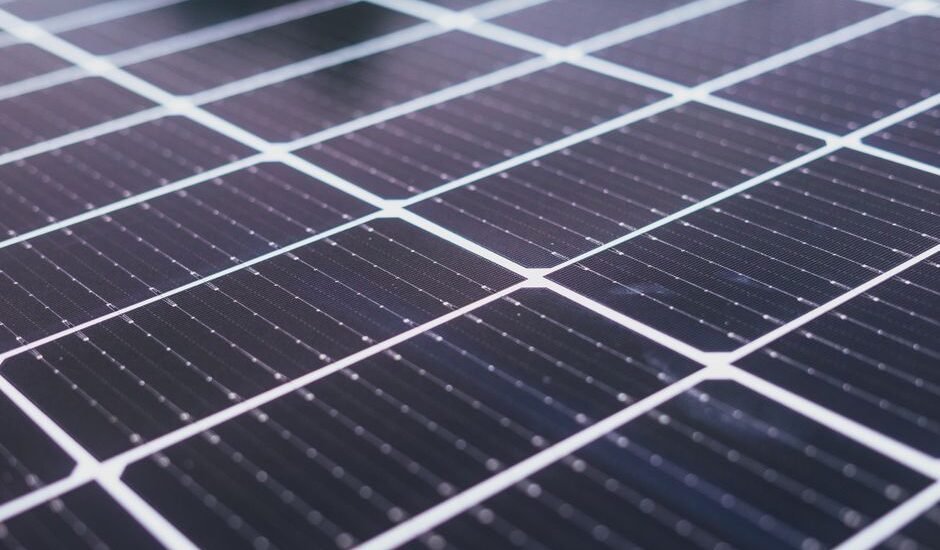
Every solar panel is made up of dozens of cells wired together in series. If even one cell gets shaded—think a leaf, bird droppings, or a roof rack bar—it acts like a roadblock for all the current from the rest of the panel. This bottleneck can cut your power production by 30-50% or more, even if just one small area is shaded. Worse, that shaded cell can overheat, potentially causing permanent damage or even a fire risk.
Bypass diodes solve this by offering a detour for the electricity. When a cell is shaded, the diode “opens” a parallel path around the blocked cell string, so the rest of the panel keeps working. The impact: much less power loss, and far less risk of hot spots or damage.
Comparison table: Bypass diode configurations in real-world solar panel setups
| Configuration Type | Number of Bypass Diodes | Panel Voltage (Vmp) | Typical Power Loss Under Partial Shade | Reliability |
|---|---|---|---|---|
| Single Diode (Basic Panel) | 1 | 18-22V | Up to 66% | Lower (prone to hot spots) |
| Three Diodes (Standard 60-cell Panel) | 3 | 30-32V | 33% per shaded section | Medium (good protection) |
| Integrated Diode Per Cell String | 6+ | 36-44V | 16% per shaded section | High (excellent shade tolerance) |
| External Diode Array (Retrofit) | Custom | Varies | Depends on design | Variable (depends on install) |
Step-by-step: How to check if your solar panel’s bypass diodes are working
- Identify the junction box location. Most panels have a small box on the back where bypass diodes are installed.
- Disconnect the panel from any loads and power sources. This prevents accidental shorts or shocks.
- Open the junction box carefully. Use a screwdriver to remove the cover, exposing the diodes inside.
- Visually inspect the diodes. Look for physical damage: cracks, burns, or discolored components are red flags.
- Test with a multimeter in diode mode. Place the probes on either side of each diode; a healthy diode shows low resistance one way (forward) and very high resistance the other (reverse).
- Replace any failed diodes with the same voltage and current rating. Never substitute lower-rated parts, as this can cause dangerous failures.
- Re-seal the junction box and reconnect the panel. Watch output in both full sun and partial shade to confirm normal operation.
What most buying guides get wrong about bypass diodes
Most solar panel specs list “includes bypass diodes” but rarely say how many, how they’re arranged, or what amperage they’re rated for. These details make a big difference for off-grid systems, especially in mobile or wooded locations where partial shading happens often. The number of diodes and how your panel is wired can mean the difference between losing just 15% or almost all your output when a shadow hits.
Panels with three or more bypass diodes (one per 18-24 cells in a 60- or 72-cell panel) offer much better performance in real-world shade than panels with only one. Panels with integrated diodes per cell string are even better, but cost more and are harder to find. Retrofitting external diode arrays is possible for DIYers but requires careful matching of ratings—and can void warranties.
Specifications that actually matter
Number of Bypass Diodes
Look for at least three bypass diodes in a standard 60-cell panel. Each diode typically covers a string of 18-24 cells. More diodes mean less power loss under partial shade.
Bypass Diode Current Rating
The diode’s amp rating should meet or exceed your panel’s short-circuit current (Isc), usually 9-12A for typical off-grid panels. Undersized diodes overheat and fail quickly.
Junction Box IP Rating
An IP65 or higher rating prevents water and dust ingress, protecting the diodes and wiring. Lower IP ratings can lead to corrosion and early diode failure.
Panel Layout and Cell Strings
Panels with more, shorter cell strings split by multiple diodes are far better for shade tolerance. For example, a panel with six cell strings and six diodes will outperform a similar panel with only three—especially if you expect trees, roof racks, or other obstructions.
Serviceability
Some panels use potted junction boxes that can’t be opened for diode replacement. Others have screw-on covers, making diode checks and swaps possible. For off-grid setups far from town, serviceable designs are a real plus.
View what’s available
When should you care about bypass diodes in off-grid setups?
If you’re mounting panels on an RV, van, or cabin roof where shadows move across the surface, bypass diodes are crucial. Even a thin shadow from a vent can cause a huge drop in output if your panel has too few diodes. In fixed ground-mount arrays with zero shading risk, you can get by with simpler panels—but most real-world locations have some shading during the day, especially in winter or with nearby trees.
For mobile setups or arrays in wooded areas, prioritize panels with at least three diodes and check that they’re rated for your panel’s full current. It’s worth the extra cost for the improved reliability and performance.
See today’s deals
Related Guides
- Solar Powered Phone Chargers That Really Work
- Our guide to Folding Solar Panel Kits That Are Actually Worth Buying
- Solar Combiner Boxes That Actually Work: What’s Worth Buying
- Motorized Solar Panel Tilt Mounts for Easy Solar Tracking
- Our guide to How to Choose the Right Solar Panel Tilt Mount for Your RV
- Our guide to How to Test Solar Panel Output: A Practical Guide
- Browse all Solar Panels Kits →
FAQs: Real-world questions about solar panel bypass diodes
Can I add bypass diodes to an old panel that doesn’t have them?
Yes, you can retrofit external bypass diodes to some older panels, but you need to match the voltage and current ratings exactly and install them in the correct orientation. This can be tricky on panels with sealed junction boxes or potted connections, and improper installation can void your warranty or cause damage.
How many bypass diodes should a 60-cell panel have?
Three is the standard: one per 20-cell string. Panels with fewer diodes are more likely to lose all output under partial shade. Some premium panels use up to six for even better performance, but three is the minimum you want for most off-grid uses.
What happens if a bypass diode fails?
If a diode fails “open,” current can’t bypass the shaded section, so you lose power and risk hot spots. If it fails “shorted,” the panel section is bypassed permanently, reducing your max output. Always use diodes rated for at least the panel’s Isc, and check for discoloration or physical damage if you suspect a problem.
Bypass diodes vs. microinverters — which is better for shade?
Microinverters optimize each panel independently and handle shade far better than bypass diodes alone, but they add cost, complexity, and power draw. For most off-grid systems, quality panels with multiple bypass diodes offer the best balance of reliability, simplicity, and price.
Do bypass diodes affect panel efficiency in full sun?
No, bypass diodes only conduct when a cell string is shaded or damaged. In full sun, they don’t impact efficiency or output. Their only job is to protect the panel and preserve output during partial shading.
How long do bypass diodes last before needing replacement?
Quality bypass diodes typically last 10-20 years, matching the panel’s lifespan if they’re properly rated and protected from moisture. Cheap or undersized diodes, or those in poorly sealed junction boxes, may fail in as little as 2-5 years—especially in hot, humid, or dusty environments.
What’s the warranty situation for bypass diode failures?
Most solar panel warranties cover diode failures for the first 5-10 years, but only if you haven’t modified the panel or opened the junction box. Always check your warranty terms before attempting repairs or upgrades.
The spec almost nobody talks about: Junction box serviceability
Panel buyers often overlook whether the junction box can be opened for diode replacement. In remote off-grid setups, a failed diode can cripple your system. Choosing panels with screw-on or hinged junction boxes means you can swap a $2 diode in minutes, instead of replacing an entire panel or waiting weeks for warranty service.
Want more technical detail?
For deeper reading on how bypass diodes work and why they matter, check out NREL for research on solar panel reliability and shade performance. Their resources help demystify panel construction and real-world performance—especially useful if you’re planning a larger off-grid system.
Last updated: June 2026 · How we cover this topic