7 min read
Disclosure: As an Amazon Associate and eBay Partner Network publisher, we earn from qualifying purchases. This doesn’t affect what we recommend or how we describe it.
Off-grid homeowners, RVers, and backup power planners all look to all-in-one inverter chargers for robust, streamlined power management. Large homesteads need serious capacity for whole-house loads. DIYers want reliability and flexibility for demanding solar-battery-generator setups. And anyone who’s tired of cobbling together mismatched gear wants a single unit that “just works”—without drama. Here’s how the current top all-in-one inverter chargers actually stack up for these real-world needs.
Top picks at a glance
- Sol-Ark 15K All-In-One Solar Hybrid Inverter 120/240/208V Outdoor — the premium, high-capacity option for whole-home or large off-grid systems
- Sol-Ark 8K 48VDC All-In-One Solar Hybrid Inverter 120/240 — a mid-range, high-quality hybrid inverter for demanding off-grid setups
- Midnite Power MN15-12KW-AIO All-In-One Hybrid Inverter/Charger 120/240V — the heavy-duty choice for large off-grid or backup power systems
Key differences between the top all-in-one inverter chargers
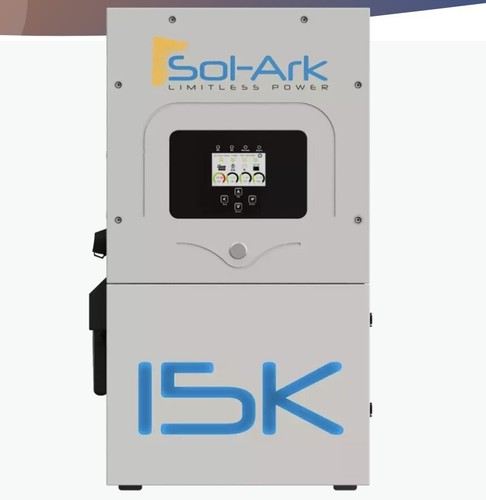
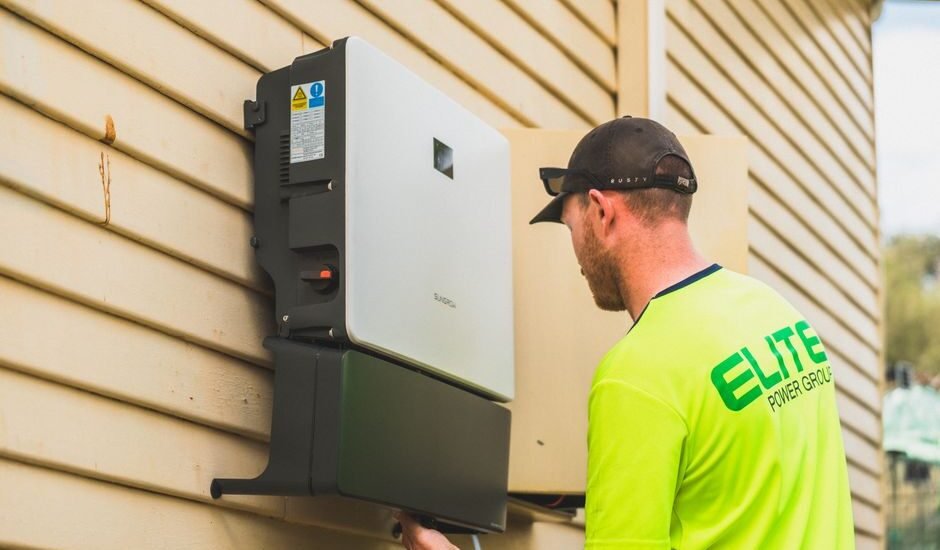
Pictured: Sol-Ark 15K
| Product | Condition | Price | Best For | Max Output Power | Voltage Support |
|---|---|---|---|---|---|
| Sol-Ark 15K All-In-One Solar Hybrid Inverter 120/240/208V Outdoor |
New | $$ | Premium, large off-grid/whole home | 15,000W | 120/240/208V |
 Sol-Ark 8K 48VDC All-In-One Solar Hybrid Inverter 120/240 Sol-Ark 8K 48VDC All-In-One Solar Hybrid Inverter 120/240 |
New | $ | Mid-range, demanding off-grid | 8,000W | 120/240V |
 Midnite Power MN15-12KW-AIO All-In-One Hybrid Inverter/Charger 120/240V Midnite Power MN15-12KW-AIO All-In-One Hybrid Inverter/Charger 120/240V |
New | $$$ | Heavy-duty, large off-grid/backup | 12,000W | 120/240V |
About the $ symbols: they’re a quick budget/mid/premium read of where each option sits relative to the others in this comparison. See current prices in the live listings below.
Related Guides
- Difference Between Portable and Inverter Generators Explained
- String Inverter vs Hybrid Inverter: Which Is Right for Your Off-Grid Setup?
- How to Choose the Right Portable Inverter Kit for Your Generator
- Choosing the Right 12V Battery Charger: What Matters Most
- Choosing the Right DC to DC Charger for Your RV: What to Know
- Our guide to The 10 Best Inverter Generators for Reliable Off-Grid Power
- Browse all Power Inverters →
Whole-home coverage: when capacity matters most
The Sol-Ark 15K All-In-One Solar Hybrid Inverter 120/240/208V Outdoor stands out for buyers running a full-size off-grid home or large backup system. Its 15,000-watt output handles central air conditioners, well pumps, and multiple big appliances at once—loads that will trip up lower-tier units. The 120/240/208V flexibility is a rare find, supporting both split-phase and three-phase needs (useful for some shop and well setups). If you run heavy machinery, want true whole-house backup, or plan to expand your solar and storage over time, the Sol-Ark 15K leaves room to grow.
That extra headroom comes at a step up in price, but the value is real for anyone tired of load-shedding or circuit juggling. Outdoor-rated construction means you can mount it outside, saving indoor space and simplifying installs.
Mid-range versatility for most off-grid systems
The Sol-Ark 8K 48VDC All-In-One Solar Hybrid Inverter 120/240 targets demanding off-grid cabins, homesteads, and mid-size backup applications. Its 8,000W output is enough for typical home loads (fridge, lights, outlets, small pumps), and the 48VDC battery input is a sweet spot for both lead-acid and modern lithium banks. You get split-phase 120/240V support, so you’re not locked out of running 240V appliances.
Compared to the 15K, the 8K skips some of the high-end features and maximum output, but at a much more accessible price. It’s a strong match for setups where you want reliability, hybrid solar/generator support, and a single box to manage it all—without paying for industrial-scale output you’ll never use.
Heavy-duty durability for backup and off-grid
The Midnite Power MN15-12KW-AIO All-In-One Hybrid Inverter/Charger 120/240V is built for serious backup and large off-grid deployments. Its 12,000W output sits between the two Sol-Ark models, but the “heavy-duty” positioning signals a focus on robust, long-run performance. This model is often chosen for properties where grid outages are frequent, or where generator integration and surge handling are top priorities.
While it’s the priciest unit here, the Midnite Power system is designed to take a beating and keep running. If your biggest concern is reliability under continuous load—think commercial-grade backup or demanding rural properties—it belongs on your shortlist.
Which all-in-one inverter charger is right for you?
- For maximum whole-home flexibility and future expansion: The Sol-Ark 15K is the clear leader, especially if you need 208V or plan to run multiple large loads.
- For most off-grid homes, cabins, and backup systems: The Sol-Ark 8K offers nearly all the features you’ll need at a more budget-friendly price.
- For heavy-duty backup or industrial-level off-grid: The Midnite Power MN15-12KW-AIO is built for abuse and long-term reliability, at a premium.
Don’t buy more capacity than you need. Oversizing can mean wasted money on both the inverter and the battery bank. But under-sizing leads to frustration and potential system failures. Always tally your expected loads—including surges—before choosing.
How we selected these inverter chargers
Selection focused on all-in-one hybrid inverter/chargers with proven reputations, robust output (at least 8,000W), and support for both 120V and 240V loads. Battery voltage compatibility, outdoor rating, surge handling, and ease of integration with solar/generator sources were also key. Each product here is designed for permanent installation in off-grid or backup systems, not portable or RV-only use.
We compared the manufacturer specs, listed features, and public documentation for each unit, weighing factors like continuous output, voltage flexibility, and suitability for whole-home vs. partial-load coverage. Models without published specs, unbranded imports, and panel-bundled listings were excluded. This list is not for buyers needing small portable inverters or entry-level RV gear—these are serious, stationary power solutions.
For more on inverter standards and what to look for in off-grid power gear, see the Solar Energy Industries Association’s guidance for installers and homeowners.
Total cost of ownership
- Battery replacement (every 7-15 years): All three units require a compatible battery bank. Expect to budget for battery replacements every 7-15 years depending on type and usage. For a modest 10kWh lithium bank, replacements can run $4,000–$8,000.
- Annual maintenance: Plan for $100–$300 per year for basic system checks, inverter firmware updates, and cleaning cooling fans or filters.
- Spares and repairs: Out-of-warranty repairs can range from $200 for a control board to $1,500+ for major component failures. Keeping a spare cooling fan ($50–$100) is smart for remote installs.
- Accessory costs: External monitoring hardware, communications modules, or advanced battery management add-ons can add $200–$600 to a typical install.
- Energy costs (generator fuel): For hybrid setups with generator backup, expect to burn $100–$500 of fuel annually depending on runtime and load.
Factoring these costs in up front helps avoid surprises and ensures your system stays reliable for years, not just months.
FAQ: All-in-one inverter charger decisions
How long will these inverter chargers typically last?
Quality all-in-one inverter chargers are designed for 10–15 years of service under normal use. Actual lifespan depends on heat, environment, and maintenance. Keeping the unit clean and cool can extend life, while frequent overloads or poor ventilation may shorten it.
Sol-Ark 15K vs Midnite Power MN15-12KW-AIO — which is better for backup-only use?
If your main goal is backup power for critical loads during outages, the Midnite Power MN15-12KW-AIO’s heavy-duty design and strong surge handling make it a top choice. For whole-home backup with future expansion, the Sol-Ark 15K offers more output and voltage flexibility. The right pick depends on whether you need industrial-grade reliability or maximum capacity.
Do these inverters work with lithium batteries?
Yes, all three models support 48V lithium battery banks, as well as traditional lead-acid. Always confirm the battery management system (BMS) is compatible with your chosen inverter for safe, reliable operation. Consult the manufacturer’s documentation for approved battery brands and models.
Is the extra cost of the Sol-Ark 15K worth it over the 8K for a typical off-grid home?
The Sol-Ark 15K is only worth the premium if your home has large loads—like central AC or multiple well pumps—or if you plan to expand your system significantly. For most off-grid homes with moderate loads, the 8K covers all the essentials at a more accessible price point.
Can I install these inverter chargers myself?
Due to the high voltages and system complexity, installation should be handled by a licensed electrician or experienced off-grid installer. Improper setup can damage equipment, void warranties, and pose safety risks. Focus your DIY efforts on load planning and gear selection, not wiring or code compliance.
What kind of warranty coverage do these units offer?
Warranty terms vary, but most quality inverter chargers offer 5–10 years of coverage against defects. Be sure to register your unit with the manufacturer and keep detailed records of purchase and installation for any future claims. Extended warranties or service plans may be available for an added fee.
Last updated: June 2026 · How we cover this topic