8 min read
Disclosure: As an Amazon Associate and eBay Partner Network publisher, we earn from qualifying purchases. This doesn’t affect what we recommend or how we describe it.
Reliable energy storage is the backbone of any off-grid system, but the choice between lithium batteries and supercapacitors is more than a technical debate—it’s about matching your storage to your real-world needs and budget. Lithium battery vs supercapacitor isn’t just a battle of specs; it’s about which technology will actually keep your lights on and your water pump running when you need them most. This guide breaks down the practical differences, typical use cases, and pitfalls to help you make the right call for your cabin, RV, or van setup.
Spot the difference between lithium batteries and supercapacitors for off-grid power
| Category | Typical Capacity | Cycle Life | Discharge Rate | Weight | Price |
|---|---|---|---|---|---|
| The go-to choice for most off-grid users | 100–500 Ah @ 12V | 2,500–6,000 cycles | 0.5–1C (50–100A continuous for 100Ah) | 10–60 kg | $$ |
| The best pick for high-surge loads | 100–300 Ah @ 12V | 2,000–4,000 cycles | 2–5C (200–500A for 100Ah) | 12–40 kg | $$$ |
| The solution for ultra-fast power bursts | 10–50 Wh | 500,000+ cycles | Up to 100C (1,000A+ bursts) | 2–10 kg | $$ |
| The premium hybrid option | 100–300 Ah @ 12V | 3,000–10,000 cycles | 3–10C (300–1,000A bursts) | 15–50 kg | $$$ |
About the $ symbols: they’re a quick budget/mid/premium read of where each option sits relative to the others in this comparison. See current prices in the live listings below.
About the $ symbols: they’re a quick budget/mid/premium read of where each option sits relative to the others in this comparison. See current prices in the live listings below.
Choose the right energy storage for your real off-grid needs
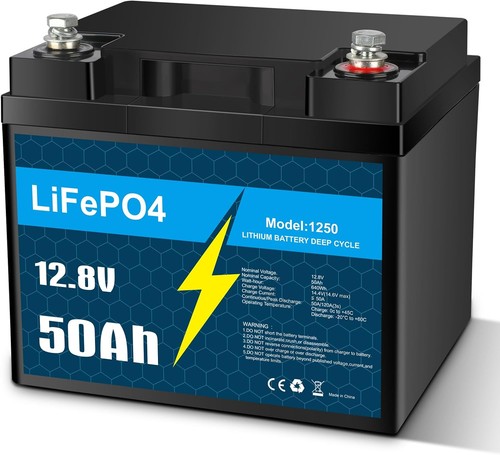
The debate over lithium batteries versus supercapacitors isn’t just about technology—it’s about what you actually need your system to do. Lithium iron phosphate (LiFePO4) batteries are the gold standard for most off-grid homes, cabins, and vans. They offer a solid mix of energy storage, long life, and safety. You’ll find them in 100–500 amp-hour banks, easily handling daily loads like fridges, lights, and water pumps.
Supercapacitors, by contrast, store far less energy but can deliver it much faster—think seconds, not hours. They shine in situations where you need to absorb or supply a sudden power spike, like starting a big compressor or smoothing out voltage dips from a failing generator. But their total usable capacity (often under 50 watt-hours per module) is a fraction of even a small battery bank.
Hybrid setups—combining lithium batteries and supercapacitors—promise the best of both worlds but at a premium price and added complexity. Unless you’re running heavy-duty tools with huge surge loads, most off-grid users will see better value sticking with a robust LiFePO4 bank and sizing it correctly.
Compare options to see which configuration matches your power needs.
Common mistakes to avoid
- Confusing peak discharge with usable storage: Supercapacitors deliver massive bursts of current, but their actual energy storage is tiny compared to batteries. Don’t expect them to run your fridge overnight.
- Overspending on hybrid setups for basic loads: Many off-grid buyers pay extra for hybrid banks when a well-sized LiFePO4 battery alone would easily handle their needs—especially for lighting, laptops, and small appliances.
- Ignoring charge controller compatibility: Not all solar charge controllers or inverters are designed to work with supercapacitors or hybrids. Mismatches can lead to poor charging or even system damage.
- Underestimating weight and space: Supercapacitor modules are often bulky for the energy they store. In small vans or tiny homes, every kg and cubic inch counts.
- Assuming supercapacitors are “set and forget”: While they outlast most batteries, supercapacitors still need proper voltage balancing and protection from overvoltage. Neglecting this can shorten their lifespan or cause failures.
Decide based on your real-world power demands
Here’s the bottom line: if you need to store enough energy to run typical off-grid appliances for hours or days, lithium batteries are still the go-to choice. A 200Ah LiFePO4 bank stores 2,400 watt-hours—enough for a fridge, lights, and some charging. Supercapacitors, even in large modules, top out at about 50 watt-hours. That’s barely enough to start a small pump, never mind power your cabin overnight.
Where supercapacitors shine is in handling short, high-current surges. If your solar system struggles with big inverter loads—like a 2,000W well pump kicking on—a supercapacitor module can help absorb that spike, protecting your batteries and reducing voltage sag. But for most off-grid homes, the added cost and complexity of a supercapacitor setup isn’t justified unless you have very specific, high-surge needs.
See today’s deals on battery banks and hybrid energy storage solutions.
Related Guides
- Lithium Battery vs Supercapacitor: Which Is Better for Off-Grid Power?
- How to Balance a Lithium Battery Pack: A Step-by-Step Guide
- Choosing the Right Lithium Battery Heater: What Actually Works
- The Best Battery Monitors, Reviewed for Reliable Off-Grid Power
- The Best Lithium Batteries for RVs, Reviewed
- Our guide to Portable Battery Boxes for Off-Grid Power
How supercapacitors and lithium batteries each handle extreme temperatures
Temperature swings are a fact of life off-grid. Lithium batteries, especially LiFePO4, work best between 0°C and 40°C (32°F to 104°F). Below freezing, charging them risks permanent damage unless you have a heated enclosure. Supercapacitors tolerate a wider range—often down to –40°C (–40°F)—and keep working in deep cold, but their voltage drops off fast as they discharge. In hot climates, both types should be kept below 60°C (140°F) to avoid shortened life.
For users in extreme cold (Alaska, northern Canada), supercapacitors can be a backup for starting engines or running emergency loads when batteries are sluggish. Otherwise, proper battery insulation and temperature monitoring are a must.
For more on battery safety and performance in harsh environments, see this international standards resource.
Can you actually replace batteries with supercapacitors for off-grid living?
Short answer: not for most people. Supercapacitors are fantastic for burst power or as a “buffer” to protect batteries from high surges. But they simply don’t store enough energy to run typical off-grid loads for any meaningful time. Even a large supercapacitor bank (say, 1,000 farads at 16V) holds less than 40 watt-hours—enough to power a 40W light bulb for one hour. For overnight or multi-day storage, lithium batteries remain the practical choice.
Some specialty setups (like remote telecom base stations) use giant banks of supercapacitors, but these are rare and expensive. For 99% of off-grid users, batteries do the heavy lifting.
FAQs: lithium battery vs supercapacitor in off-grid setups
How long does a lithium battery bank last in daily off-grid use?
A quality LiFePO4 battery bank rated for 3,000 cycles can last 8–10 years with daily cycling. Actual lifespan depends on depth of discharge, temperature, and charging accuracy. Shallow cycles and moderate temperatures extend life.
Supercapacitor vs lithium battery: which is better for starting large motors?
Supercapacitors excel at delivering instant, high-current bursts—making them ideal for starting heavy loads like deep well pumps or big compressors. Lithium batteries can handle moderate surges, but repeated large spikes can shorten their life. For most homes, a hybrid setup is only needed if you see regular high-surge events.
Do lithium batteries and supercapacitors need special charge controllers?
Yes. Lithium batteries require controllers with programmable voltage setpoints and low-temp cutoffs. Supercapacitors need controllers that prevent overvoltage and balance module voltages. Not every solar charger is compatible with both—always check specs before mixing technologies.
How much capacity do I actually need for an off-grid cabin?
For a small off-grid cabin running LED lights, a fridge, and occasional laptop charging, a 200Ah (2.4 kWh) LiFePO4 bank is a common starting point. Adjust upward if you run heavy loads or want 2+ days of backup in cloudy weather.
What are the most common failure modes for each?
Lithium batteries fail due to overcharging, deep over-discharging, or exposure to extreme temperatures. Supercapacitors rarely fail from cycling, but can be damaged by overvoltage or poor cell balancing. Both need proper system design to avoid costly mistakes.
Are there any major warranty differences between lithium batteries and supercapacitors?
Most quality LiFePO4 batteries offer 5–10 year warranties, with cycle count limitations. Supercapacitor modules often come with shorter warranties (1–3 years), reflecting their niche use and the assumption of proper handling. Always check what’s covered—improper charging can void both.
Can I mix lithium batteries and supercapacitors in the same system?
It’s possible, but requires careful design. Hybrid systems need special battery management systems (BMS) that coordinate charging and discharging between the two. Off-the-shelf hybrid modules exist, but they cost more and add complexity. For most users, a well-sized LiFePO4 bank is simpler and more reliable.
Can I use supercapacitors as my only storage for a small solar setup?
Supercapacitors alone are not suitable for typical off-grid energy storage because their total capacity is far lower than even a small battery. They can power a device for a few minutes or start a high-draw motor, but not run appliances for hours. For continuous loads or overnight use, a lithium battery bank is still necessary.
When should you actually consider supercapacitors for your off-grid setup?
Supercapacitors are worth considering if you face regular high-surge loads that stress your batteries or inverter—like well pumps, winches, or big induction motors. They’re also useful in extreme cold, where batteries lose effectiveness. For most lights, electronics, and steady loads, lithium batteries are the clear winner for energy storage, cost, and simplicity.
View what’s available if you want to explore hybrid or supercapacitor modules for your unique power needs.
For more on energy storage technologies and real-world performance data, check out the U.S. Department of Energy.
Related Guides
- Lithium Battery vs Supercapacitor: Which Is Better for Off-Grid Power?
- How to Balance a Lithium Battery Pack: A Step-by-Step Guide
- Choosing the Right Lithium Battery Heater: What Actually Works
- The Best Battery Monitors, Reviewed for Reliable Off-Grid Power
- The Best Lithium Batteries for RVs, Reviewed
- Our guide to Portable Battery Boxes for Off-Grid Power


Last updated: July 2026 · About our research