7 min read
Disclosure: As an Amazon Associate and eBay Partner Network publisher, we earn from qualifying purchases. This doesn’t affect what we recommend or how we describe it.
Propane generators are a common solution for off-grid or backup power, especially in places where propane delivery is consistent and long-term fuel storage is a priority. Deciding if a propane generator is the right choice comes down to understanding their trade-offs compared to gasoline, diesel, and battery-based alternatives. This guide walks through the real strengths, limitations, and practical considerations to help you make an informed decision.
Propane generator options compared to other backup power sources
| Configuration | Fuel Type | Rated Output (Watts) | Run Time (at 50% load) | Noise Level (dB) | Price |
|---|---|---|---|---|---|
| The basic, straightforward propane-only portable | Propane | 3,500 W | 12 hrs (20 lb tank) | 68 dB | $$ |
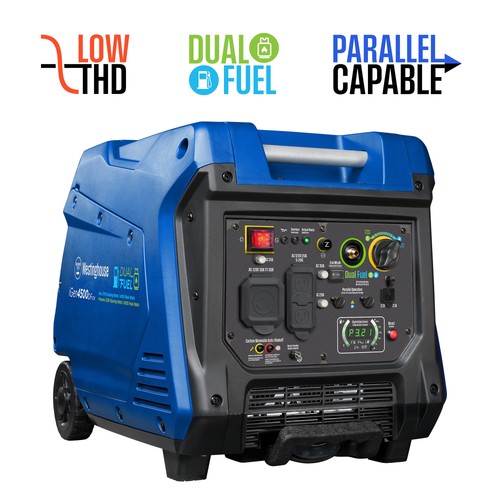
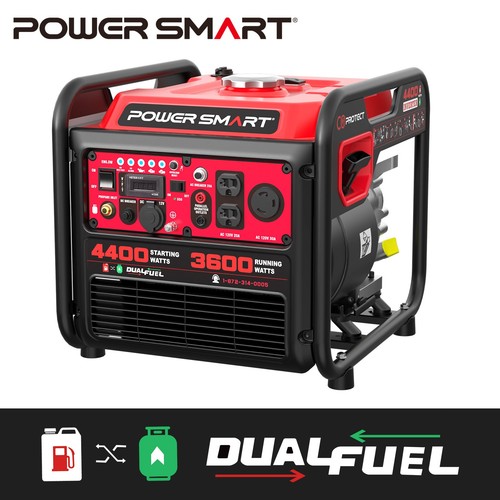
| The flexible dual-fuel portable (gas/propane) | Propane/Gasoline | 4,000 W | 10 hrs (20 lb tank) | 72 dB | $$$ |
| The budget-friendly gasoline-only portable | Gasoline | 3,500 W | 9 hrs (3.5 gal tank) | 71 dB | $ |
| The silent, maintenance-free solar + battery station | Solar/Electric | 1,500 W | — (depends on battery size) | 0 dB | $$$ |
Real-world pros and cons of propane generators
Propane generators fill a unique niche in off-grid and backup power. Here’s what you actually gain—and what you give up—when you go this route.
- Fuel storage and shelf-life: Propane doesn’t degrade or gum up like gasoline. A sealed 20 lb cylinder will last for years, making propane ideal for seasonal cabins or emergency-only backup. Gasoline, by contrast, goes stale in a few months without additives.
- Cleaner burning: Propane produces less carbon monoxide and particulates than gasoline or diesel. This means less risk running it outside a home or RV (though never inside), and less engine fouling over time.
- Cold weather starting: Propane vaporizes poorly below 20°F (-6°C). In deep winter, you may need to warm the tank or switch to gasoline if your generator is dual-fuel.
- Fuel cost and availability: Propane is often more expensive per kWh than gasoline or diesel. However, in rural areas, regular delivery or exchange is common—unlike gasoline, which may be scarce after storms or disasters.
- Power output: Most generators lose about 10–15% of their rated wattage when running on propane versus gasoline. For example, a 4,000 W dual-fuel unit might only deliver 3,600 W on propane.
Common mistakes to avoid
- Assuming a propane generator will run at full advertised wattage—output is typically 10–15% lower on propane than gasoline, which can leave you short if you size it too close to your needs.
- Storing propane cylinders indoors or in unventilated spaces—this is a major safety hazard and can void warranties or insurance coverage.
- Neglecting cold weather performance—propane pressure drops sharply below freezing, leading to hard starts or stalling if you depend on it in winter climates without a backup plan.
- Forgetting to check local refill/exchange access—some remote areas have gasoline but no propane delivery, or vice versa. Always verify before committing to a fuel type.
- Overlooking transfer switch compatibility—many buyers assume any generator can safely power their house, but non-inverter models may not be safe for sensitive electronics or grid tie-in without extra gear.
How propane generator sizing affects your setup
Sizing a propane generator for off-grid or backup use is all about matching the generator’s continuous output to your real-world loads. For a typical cabin or home backup, a 3,500–5,000 W unit covers most essential loads (fridge, freezer, lights, well pump, a few outlets). For smaller RVs or van builds, a 2,000–2,500 W model can handle a microwave or air conditioner, but not both at once.
Propane’s lower energy density means run times are tied directly to tank size. A standard 20 lb cylinder holds about 4.7 gallons of liquid propane, enough for 8–12 hours at half load on a mid-sized generator. To cover longer outages, plan for multiple tanks or a plumbed-in larger supply (100–250 gallons) if you have the space and the local codes allow it.
Check current pricesWhen propane makes sense—and when it doesn’t
Propane generators shine in setups where long-term fuel storage, infrequent use, and cleaner exhaust matter most. Off-grid cabins with seasonal occupancy, backup for homes in wildfire-prone areas (where gasoline storage is discouraged), and RVs parked near propane refill stations are all good fits.
On the flip side, if you need the cheapest possible kWh, run your generator daily, or require reliable starting below 0°F, gasoline or diesel may be better. Solar and battery power stations are unbeatable for silent, maintenance-free energy but struggle with high-wattage or sustained loads unless you invest in large, expensive systems.
Compare optionsRelated Guides
- Gas vs Propane Generators: Which Fuel Is Better for Off-Grid Power?
- Our guide to The 10 Best Inverter Generators for Reliable Off-Grid Power
- Top 5 Portable Solar Generators for Reliable Off-Grid Power
- Our guide to Air-Cooled vs Liquid-Cooled Generators: What’s the Real Difference?
- Difference Between Portable and Inverter Generators Explained
- Our guide to Gasoline vs Diesel Generators: Which Is Better for Off-Grid Power?
- Browse all Off Grid Generators →
Frequently asked questions about propane generator use
How long will a 20 lb propane tank run a 3,500 W generator?
At half load (about 1,750 W), a 3,500 W propane generator typically runs 10–12 hours on a full 20 lb tank. Heavier loads or larger generators will use up the tank faster—expect closer to 7–8 hours at full output.
Do propane generators last longer than gasoline generators?
Propane burns cleaner, which leads to less engine carbon build-up and longer intervals between oil changes. While overall lifespan depends on the engine quality and maintenance, many owners report fewer carburetor and fuel-related issues with propane over time.
Is a dual-fuel generator better than propane-only for off-grid living?
Dual-fuel units offer flexibility—run on propane for clean storage and switch to gasoline if propane runs out or in extreme cold. However, dual-fuel models cost more and may require more maintenance due to added complexity.
Are propane generators safe for indoor use?
No. Like all combustion generators, propane units must be used outdoors with proper ventilation to avoid deadly carbon monoxide buildup. Always follow the manufacturer’s safety guidelines and use CO detectors in nearby living spaces. For more, see CDC generator safety tips.
What’s the real maintenance difference with propane?
Propane doesn’t gum up carburetors or degrade like gasoline, so you’ll have fewer fuel-related problems after long storage. Still, you’ll need regular oil changes and air filter cleaning, just like any generator.
How noisy are propane generators compared to others?
Most portable propane generators run at 68–72 dB at 25 feet—similar to gasoline models and about as loud as a vacuum cleaner. Inverter-style (not covered here) can be quieter but cost more.
What’s the best way to store propane for emergencies?
Keep cylinders outdoors in an upright, ventilated area away from direct sun and ignition sources. Never store propane tanks in basements, garages, or living spaces. Many local fire codes have storage limits—always check before stockpiling.
What size generator do I need for a small off-grid cabin?
A 3,500–5,000 W propane generator covers most essential loads in a small cabin—fridge, freezer, lights, and a well pump. If you only need to charge small electronics and LED lights, a 2,000 W model could be enough. Always total your running and starting wattages before choosing.
How does cold weather impact propane generator performance?
Below 20°F (-6°C), propane pressure drops and vaporization slows, which can make starting difficult or cause stalling. Some owners use tank warmers or switch to gasoline (on dual-fuel models) during deep freezes. For winter use, always plan a backup fuel or heating solution.
Bottom line: Are propane generators any good for off-grid and backup?
Propane generators deliver real advantages for off-grid and backup power: stable long-term fuel, lower emissions, and less maintenance than gasoline. The trade-offs are slightly lower output, higher per-kWh cost, and cold-weather quirks. For most off-grid cabins, RVs near propane refills, and backup-only setups, they’re a smart, reliable choice—especially if you size the unit carefully and plan your fuel storage with your real-world needs in mind.
If you want to dig deeper into generator sizing, off-grid system design, or alternative backup options, check out resources from Generator.org for further reading.
View what’s availableRelated Guides
- Gas vs Propane Generators: Which Fuel Is Better for Off-Grid Power?
- Our guide to The 10 Best Inverter Generators for Reliable Off-Grid Power
- Top 5 Portable Solar Generators for Reliable Off-Grid Power
- Our guide to Air-Cooled vs Liquid-Cooled Generators: What’s the Real Difference?
- Difference Between Portable and Inverter Generators Explained
- Our guide to Gasoline vs Diesel Generators: Which Is Better for Off-Grid Power?
- Browse all Off Grid Generators →


Last updated: June 2026 · How we cover this topic