7 min read
Disclosure: As an Amazon Associate and eBay Partner Network publisher, we earn from qualifying purchases. This doesn’t affect what we recommend or how we describe it.
Van dwellers needing a quick warm-up before bed, homesteaders braving chilly mornings in an off-grid cabin, and RV owners tired of waking up to icy interiors all face the same problem: how to safely and efficiently heat a small space using 12V power. Unlike traditional heaters, 12V portable heaters must work with limited battery capacity, so picking the right type is critical. Choosing poorly can mean dead batteries, wasted money, or worse—a heater that can’t deliver real comfort when you need it most.
Comparing 12V Portable Heater Options for Off-Grid Comfort
| Type | Power Draw | Heat Output | Runtime (100Ah Battery) | Portability | Price |
|---|---|---|---|---|---|
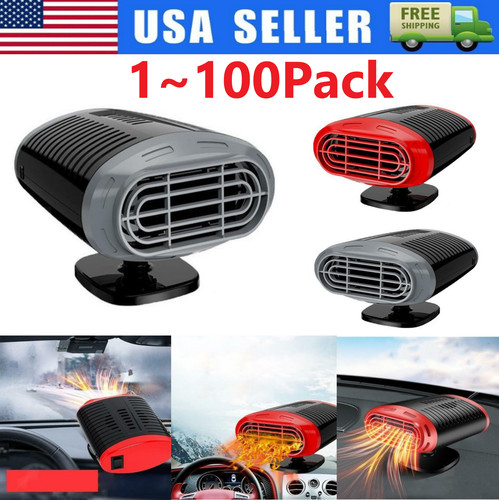
| Ceramic Fan Heater | 120-150W | 400-500 BTU/hr | 6-8 hours | Handheld, 2-3 lbs | $$ |
| 12V Heated Blanket | 40-60W | Direct body warmth | 16-24 hours | Folds, 2 lbs | $ |
| Diesel Air Heater (12V ignition/fan) | 10-40W (fan/ignition) | 3,000-5,000 BTU/hr | Days (on battery, fuel required) | Fixed, 15 lbs | $$$ |
| 12V Heat Pad | 15-30W | Localized (seat/bed) | 32-48 hours | Thin, 1 lb | $ |
About the $ symbols: they’re a quick budget/mid/premium read of where each option sits relative to the others in this comparison. See current prices in the live listings below.
What You Need to Know About Power Draw and Battery Life
Every watt counts when you’re off-grid. Most 12V portable heaters draw far more power than a basic light or fan. For example, a 150W ceramic heater will drain a standard 100Ah (amp-hour) deep-cycle battery in under 8 hours, and that’s assuming 100% efficiency and no other loads. In practice, you’ll get less due to inverter losses and battery discharge limits. Heated blankets and pads, pulling just 15–60W, can stretch your battery for days, but they only warm you—not the air.
Diesel air heaters are a different beast. The 12V side only powers the fan and ignition, so even though these units pump out thousands of BTUs, they barely touch your battery once running. The catch: you need a steady supply of diesel or kerosene, and installation is semi-permanent.
Choosing Between Air Heating and Direct Body Warmth
Deciding whether to heat the air or just yourself is the single biggest factor in battery life and comfort. Air heaters (like ceramic fan units) try to raise the temperature of the whole space—great for families or groups, but brutal on small battery banks. Direct body heaters (blankets, pads) use much less power by focusing warmth where you need it most. If you’re solo or just need to take the edge off at night, body warmth wins for efficiency every time.
How Diesel Air Heaters Fit Into Off-Grid Setups
For those living full-time off-grid in cold climates, diesel air heaters are the closest thing to a “real” furnace you can run on 12V. They sip battery power (10–40W) but burn liquid fuel for heat, delivering up to 5,000 BTUs per hour—enough for most vans and small cabins. Downsides: installation requires venting, a fuel line, and permanent mounting. They’re overkill for occasional use, but unbeatable for reliable, hands-off heat all winter. Check current prices.
Heated Blankets and Pads: Stretching Your Battery
For short trips, shoulder seasons, or budget builds, 12V heated blankets and pads offer a practical compromise. Drawing just 15–60W, they can run all night on a modest battery. Most models have several heat settings, with low and medium (20–40W) being the sweet spot for balancing warmth and runtime. Look for blankets with an overheat shutoff and a timer function—these add real safety and convenience. Pads are ideal for warming a bed or seat, but won’t help if you need to move around. View what’s available.
Related Guides
- The Best 12V Portable Heaters for Off-Grid Comfort
- Our guide to Portable Battery Boxes for Off-Grid Power
- Top 5 Portable Solar Generators for Reliable Off-Grid Power
- Our guide to Are There Any Portable Heaters That Run on Batteries?
- Our guide to Solar Generators on Wheels: Portable Power for Life Off the Grid
- Choosing the Best Deep Cycle Battery for Off-Grid Power
Total cost of ownership
Sticker price is just the start. Here’s where ongoing costs and hidden expenses add up for 12V portable heaters:
- Battery wear: Running high-draw heaters like ceramic fans can cycle your deep-cycle batteries harder, reducing their lifespan. Figure on an extra battery every 2–3 years if you use a 150W heater nightly during winter.
- Fuel (for diesel heaters): Diesel or kerosene costs can run $30–$100/month for daily use, depending on climate and run time.
- Replacement fuses and connectors: Cheap heated blankets and pads often fry fuses or melt connectors after months of use. Budget $10–$20/year for replacements.
- Maintenance: Diesel heaters need annual cleaning and occasional part replacement (glow plugs, filters)—plan on $30–$50/year, more if you run them hard.
- Accessory upgrades: Many users end up buying insulated curtains, thermal mats, or extra blankets to help their heater work better. These extras can add another $50–$200 to your setup over time.
Factor these costs into your budget, especially for long-term or full-time off-grid living. See today’s deals.
Choosing the Right Heater for Your Space and Battery Setup
Match your heater to your living space and battery size. For a solo van with a 100Ah battery, a heated blanket or pad is far more sustainable than a 150W air heater. In a small cabin with a diesel heater and a 200Ah bank, you can run for days with little worry. Always check your battery’s usable amp-hours (for lithium, that’s 90–95% of rated; for lead-acid, only 50–60%), and remember to leave headroom for lights, fans, and charging devices.
Think about your insulation, too. An uninsulated van will leak heat faster than any heater can supply. Even the best 12V heater can’t make up for single-pane windows or drafty doors. Improving insulation is often a better investment than buying a bigger heater.
FAQs: Real-World Questions About 12V Portable Heaters for Off-Grid Comfort
How long can I run a 150W 12V heater on a 100Ah battery?
At full power, a 150W heater draws about 12.5 amps. A 100Ah battery (assuming 50% usable for lead-acid) gives you roughly 4 hours of runtime before risking deep discharge. For lithium, you might get closer to 7–8 hours. Always factor in other loads and battery losses.
Diesel air heater vs. 12V ceramic heater — which is better for van life?
Diesel air heaters provide much more heat (3,000–5,000 BTU/hr) and sip battery power, but require fuel and installation. Ceramic heaters are portable and easy but will drain your battery fast. For full-time cold-weather use, diesel wins; for occasional, short-term heat, ceramic may suffice.
Are 12V heated blankets safe to use overnight?
Most quality 12V heated blankets have built-in timers and overheat protection, making them safe for overnight use. Always check for certifications and avoid using heavily worn or damaged units, as frayed wires can cause shorts or fires. Consumer Product Safety Commission guidelines emphasize inspecting cords and connections regularly.
What’s the risk of draining my starter battery with a 12V heater?
Never run a 12V heater from your vehicle’s starter battery unless the engine is running. Even a small heater can drain a starter battery in a few hours, leaving you stranded. Use a dedicated deep-cycle or auxiliary battery for all off-grid heating needs.
Can I run a 12V heater from a portable power station?
Yes, but check the station’s continuous 12V output rating and total watt-hours. For example, a 500Wh power station can run a 60W heated blanket for about 8 hours (500/60 = 8.3), but only a 150W heater for about 3 hours. High-draw heaters may trip some power stations’ output limits.
What warranties or return policies should I look for?
Look for heaters with at least a one-year warranty. For diesel heaters, a two-year warranty is common. Check if returns require original packaging and whether you’ll pay shipping. For heated blankets and pads, ensure connectors and controls are covered, as these are common failure points.
Is there a way to make my 12V heater more efficient?
Adding insulation (reflectix, foam board, or insulated curtains) and sealing drafts can drastically reduce heat loss, letting your heater work less. For body heaters, wearing thermal layers and using sleeping bags rated for colder temps can extend comfort without extra power draw. Building Science Corporation offers resources on thermal performance for small spaces.
Final Thoughts: Maximizing Comfort Without Killing Your Battery
The best 12V portable heater for your off-grid life depends on your battery size, climate, and how you use your space. Direct body heaters like blankets and pads stretch small batteries the furthest and are the safest bet for most part-time van or RV users. Diesel air heaters are king for full-timers in real winter, but require more investment and setup. Always size your heater for your battery, insulate before you upgrade, and budget for hidden costs over time. Compare options before you buy to find the best fit for your needs and budget.



Last updated: June 2026 · How we cover this topic